Many people believe that credit cards are essential for building a credit score. While they are one of the most common tools for establishing credit, they are not the only option. It’s entirely possible to build a credit score without a credit card, especially for those who are new to credit or prefer not to use one.
Whether you’re looking to apply for a loan, rent a home, or simply improve your financial credibility, your CIBIL score plays a crucial role. Fortunately, there are several ways to build a credit history without credit card usage—and they’re accessible, practical, and effective.
Read on to how to increase CIBIL score without credit card dependency, walk through simple steps to build credit, and share realistic ways to boost credit score without credit card use, especially for those with no credit history.


What Is a CIBIL Score?
A CIBIL score is a three-digit number that represents your credit history, based on your past borrowing and repayment behavior. It typically ranges from 300 to 900, with higher scores indicating stronger credit reliability. Lenders use this score to assess the risk of offering you a loan or credit product.
A score above 750 is generally considered good and can lead to faster approvals and better loan terms—even if you’re building your credit score without credit card usage.
| CIBIL recommends keeping your credit utilization ratio below 30% to maintain a healthy credit score. Occasionally exceeding this limit won’t drastically affect your score, but consistently high usage may signal credit dependency. |
Can You Build a Credit Score Without Credit Cards?
Yes, you can build a credit score without using credit cards. While credit cards are a common way to establish a credit history, they are not the only method. Loans such as personal loans, consumer durable loans, and secured loans all contribute to your credit history when repaid responsibly.
This is especially helpful for individuals looking for credit cards with no credit history or those who prefer not to use a card at all. By choosing alternative credit-building tools and maintaining disciplined repayment habits, you can steadily improve your score and prove your creditworthiness over time.
5 Ways to Improve CIBIL Score Without a Credit Card
If you don’t have a credit card or prefer not to use one you can still take several practical steps to increase your CIBIL score. Here’s how to get started
Take a Small Personal Loan or Consumer Durable Loan
Taking a small personal loan or a consumer durable loan (for electronics, appliances, etc.) and repaying it on time can help you establish a reliable credit history.
These loans are often offered by NBFCs and digital lenders, even to people with no credit history.
Repay All Existing EMIs on Time
If you already have any active loans such as a personal loan, education loan, or vehicle loan—timely EMI payments are one of the most effective ways to increase your CIBIL score immediately.
Even without using a credit card, your repayment behavior directly influences your credit profile.
Use a Secured Credit Instrument (Like a Secured Card or Loan Against FD)
If you don’t qualify for a traditional credit card, a secured credit instrument is a practical alternative.
These include secured credit cards, that is, credit cards issued against a fixed deposit, or loans backed by collateral such as gold, savings, or property. They are easier to obtain and do not require a strong credit history.
Become an Authorized User or Add a Co-Signed Loan
If you have a family member or trusted individual with a good credit profile, you can be asked to be added as an authorized user on their credit card or jointly apply for a co-signed loan.
While you may not be the primary borrower, your name gets linked to a credit account—allowing you to build a credit score without a credit card of your own.
Lenders study shared repayment behavior, and on-time payments contribute positively to your CIBIL score. This is one of the lesser-known ways to build credit without a credit card, especially for first-time borrowers.
Keep a Healthy Mix of Credit
Even without a credit card, maintaining a balanced mix of secured and unsecured loans can help improve your credit profile.
For example, a combination of a secured loan (like a gold loan) and an unsecured personal loan shows that you can handle different types of credit responsibly. Lenders and credit bureaus view a diverse credit portfolio as a sign of financial maturity.
4 Ways to Build Credit Without a Credit Card
If you’re not using a credit card, there are still several practical ways to build your credit profile. Here are four effective options:
Take a Small Loan and Repay on Time
Personal loans, consumer durable loans, or EMI-based financing options can help you establish a credit history if paid on time.
Use a Secured Credit Product
Secured credit cards or loans backed by fixed deposits or collateral are ideal for those with no credit history. They’re easier to get approved for and report to credit bureaus.
Become a Co-Applicant or Authorized User
Getting added to a joint loan or credit account allows you to share in the credit activity, helping you build a credit score without direct ownership of a credit card.
Maintain a Balanced Mix of Credit
Having both secured and unsecured loans in your credit profile shows that you can manage different types of credit responsibly.
Final Tips to Boost Your Credit Score Without a Credit Card
Building or improving your CIBIL score without a credit card is completely possible with consistent and responsible financial habits. Here are a few final tips to help you stay on track:
Always pay EMIs and bills on time
Payment history is the single most important factor in your credit score.
Avoid multiple loan applications at once
Each hard inquiry lowers your score slightly. Apply only when necessary.
Check your credit report regularly
Monitoring your report helps you catch and correct errors that could impact your score.
Borrow only what you can repay
A low credit utilization or balanced loan amount shows lenders that you’re financially responsible.
Keep old accounts active
A longer credit history—whether through loans or secured products—adds to your credibility.
Use credit-building tools wisely
Whether it’s a secured loan or a co-signed account, manage it responsibly to maintain upward growth.
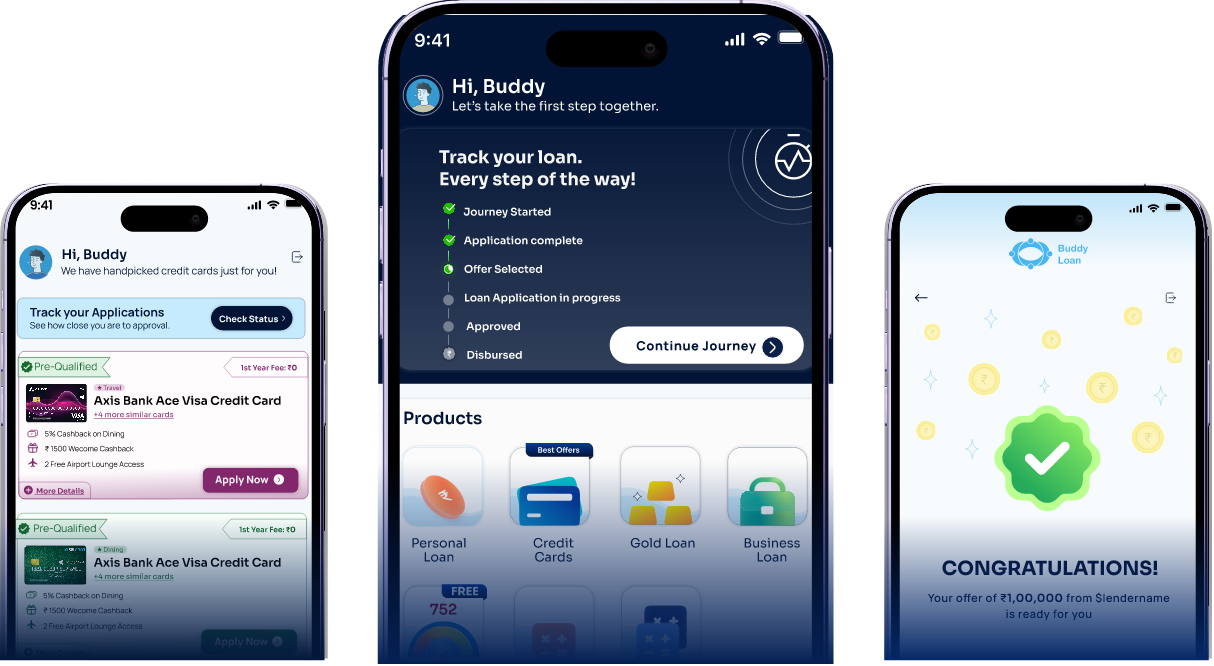
Download the Buddy Loan App Now!
One solution to each of your financial needs at your fingertip.

Scan to download now