The CIBIL report provides crucial details, including the CIBIL score range, credit history, and repayment patterns. Understanding the importance of CIBIL score and the factors affecting it can help you maintain a strong credit profile. Regular CIBIL score checks ensure better financial planning. For assistance, CIBIL customer support is available for queries on types of credit reports and more.
TransUnion CIBIL is a credit rating agency in India that maintains records of all credit-related activities of individuals and businesses, issuing credit reports and assigning credit scores.
You can check your CIBIL score without any charges anytime by completing identity verification at a free credit checker. You can also get your credit report from CIBIL free of cost once a year.
CIBIL Full Form
The full form of CIBIL is ‘Credit Information Bureau (India) Limited’. It is one of the most popular credit bureaus in India.


Understanding CIBIL Score
While credit score is a general term, the CIBIL score is a numerical representation, a summary made after a slightly more standardised operation for calculating credit scores in India. It stands for Credit Bureau India Private Limited.
A credit score is a numerical representation of how well you managed your credit, after considering various factors such as your credit history, number of credit accounts, credit card bills, credit utilisation information, repayment history, etc.
There are four major credit information companies (CICs) or credit bureaus in India:
- CIBIL
- CRIF Highmark
- Equifax
- Experian
all licensed by the Reserve Bank of India.
Don’t know your credit score? You can find out for free!
Importance of CIBIL Score
CIBIL Score (or CIBIL Rating) is a key factor that helps banks and lenders assess an individual’s creditworthiness. It is calculated using CIBIL’s exclusive algorithm, based on your credit behavior, including loan repayments and credit card usage.
Here’s the role & importance of CIBIL Score:
- Lender’s Assessment: Banks use CIBIL scores to filter eligible borrowers and reduce lending risks.
- Loan & Credit Card Approval: A high score increases approval chances.
- Risk Evaluation: Individuals with a high CIBIL score are seen as low-risk borrowers, making timely repayments more likely.
- Financial Opportunities: A good score helps secure loans at lower interest rates and better credit terms.
In short: From a bank’s view, a person with a good CIBIL score is more likely to pay back the money in said time than a person with a low CIBIL score.
Quick Tip: Regularly checking and improving your CIBIL score enhances financial stability and creditworthiness.
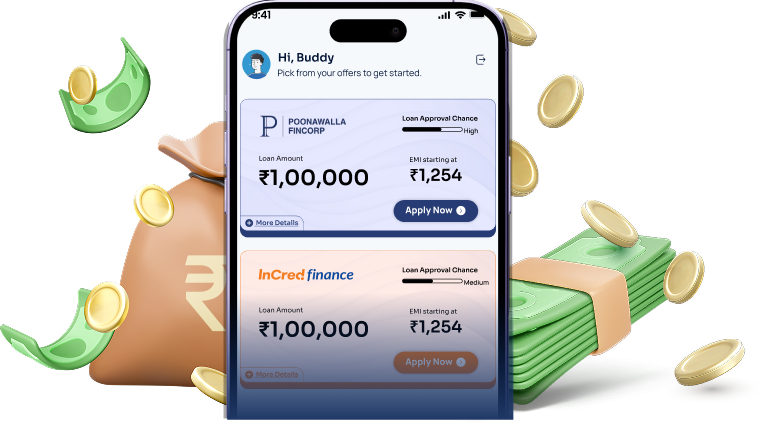
Are you looking for a personal loan?
CIBIL Score Range
CIBIL score is expressed as three-digit numbers, from 300 to 900. There are certain ranges between making the analysis of CIBIL score easier to understand.
| CIBIL Score Range | Significance |
|---|---|
| 750 and above “Excellent” | “Excellent” A score of 750 or above is considered excellent and indicates strong creditworthiness. Borrowers with scores in this range are more likely to be approved for loans with favourable terms and interest rates. |
| 700 – 749 “Good” | A good score indicates responsible credit usage. Borrowers with scores in this range typically receive approval for loans, although the terms may vary based on the lender’s criteria. |
| 550 – 699 “Fair” | A score in this range reflects past credit problems. Borrowers may face difficulties in getting loans or credit, and if approved, they may face high interest rates or strict conditions. |
| 300 – 549 “Very Poor” | Borrowers fall into this category because of late payments or unpaid loans. This is a dangerous range, and people in this range often find it hard to acquire loans or credits. Acquired loans have high interest too. |
| Below 300 “NA/NH” | The person has no history of credits and is denoted by NA (Not Applicable) or NH (No History). |
Components of a CIBIL Report
A CIBIL Report (Credit Information Report) provides a detailed record of your credit history, including loans, credit cards, repayment behavior, and credit utilization. Here’s a breakdown of its key sections:
- Personal Information: Includes name, DOB, address, contact details, and employment information. Helps verify identity and ensure report accuracy.
- Credit Summary:CIBIL Score: Ranges from 300 to 900, indicating creditworthiness.
- Account Summary: Displays total credit accounts, credit limits, and outstanding balances.
- Enquiries: Lists hard enquiries made by lenders when applying for credit.
- Outstanding Debt & Credit Utilization: Shows total debt and the ratio of used credit to available credit. If no credit history exists, the report may show NA.
- Account Information: Details of active and inactive credit accounts (personal loans, home loans, credit cards, etc.). Includes outstanding balances, credit limits, and payment history. Missed payments in this section can impact your CIBIL Score.
- Credit Enquiries: Records lender checks when you apply for credit.
- Soft Enquiries: Done for informational purposes, no impact on score.
- Hard Enquiries: Performed by lenders before granting credit—frequent hard enquiries may lower your score.
- Remarks Section: Displays loan settlements, write-offs, and disputes. Helps track the status of any disputed information.
This structured format makes it easier for users to understand their CIBIL report and manage their credit health.
Sometimes the credit report shows NA if the person has yet to take any credit so far. It essentially means that they have no credit background or there isn’t enough data to conclude a report.
Check the best offers & apply for a credit card!

Steps to Check CIBIL Score for Free
There are several methods to know your CIBIL score. You can check your CIBIL score on the CIBIL official Portal or by downloading the CIBIL mobile app.
Check CIBIL Score From CIBIL Portal
Here are the steps to check your CIBIL Score from the CIBIL official portal:
Step 1:Go to the official website of CIBIL – www.cibil.com
Step 2:Sign up or log in
Step 3:Fill out the necessary personal information.
Step 4:Include your identification (PAN Card or Aadhaar Card) when asked to verify your identity.
Step 5:Choose the payment plan
- Free report: CIBIL provides a free plan once a year, which isn’t detailed but includes all the basic details necessary.
- Paid Report: The subscription is monthly, half-yearly, and annual. It is a much more detailed, comprehensive report, including features like credit alerts, scores and reports, score simulators, score history, and even an explanatory section on where you stand in the credit range.
Step 6:Download the Report: Once payment is completed, you will be able to download and open it in a PDF format.
Check CIBIL Score on CIBIL Mobile App
Step 1: Download the CIBIL app from Google PlayStore or App Store
Step 2: Open the app and sign in.
Step 3: Verify your identity.
Step 4: Select your plan.
Step 5: Download your score and report.
*Both methods are considered hard enquiries.
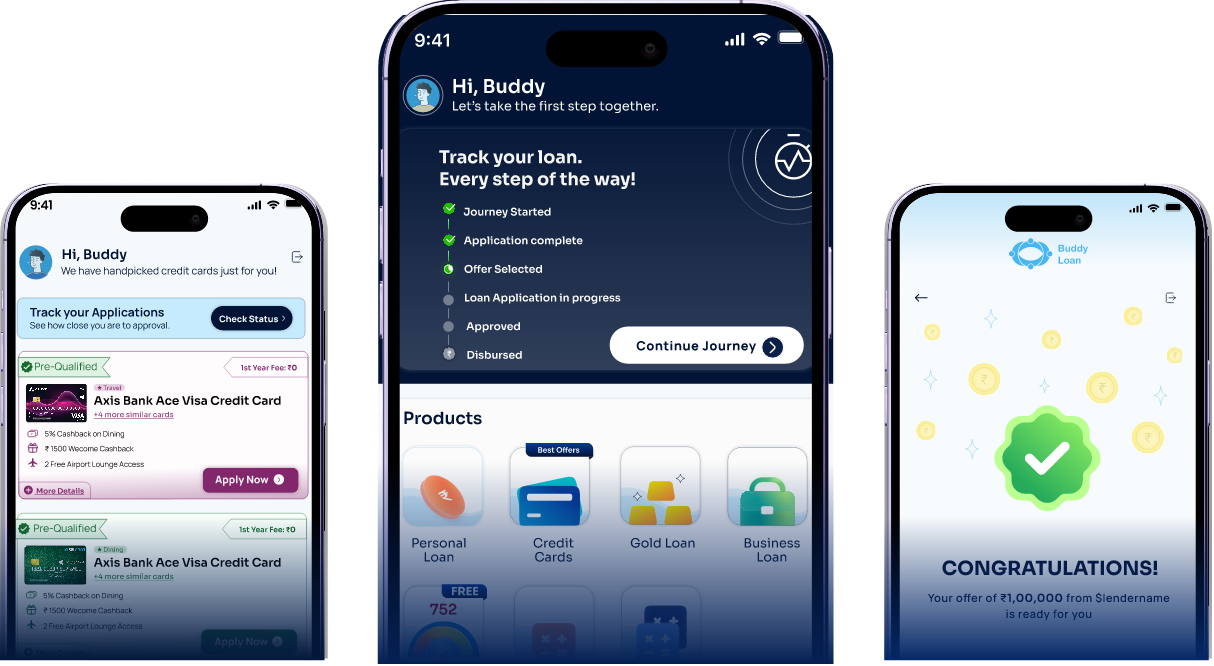
There are other options—websites/applications such as Buddy Loan and UPI apps like GPay and PhonePe, etc.—that can be used to know credit scores for free without raising hard enquiries.
Download CIBIL Report
Your CIBIL report provides a detailed record of your credit history, including loans, credit card usage, and repayment behavior. Follow these steps to download your CIBIL report:
Steps to Download the CIBIL Report from the Official CIBIL Website:
- Visit the Official CIBIL Website – www.cibil.com
- Click on ‘Get Your CIBIL Score’ and log in or register.
- Enter your personal details (PAN, date of birth, email, mobile number).
- Answer authentication questions to verify identity.
- Choose a subscription plan (one-time or annual).
- After payment (if required), download your CIBIL report in PDF format.
Many banks like HDFC, ICICI, SBI, and Axis Bank offer free CIBIL reports via net banking. Alternatively, many fintech apps also allow instant CIBIL report downloads using PAN details.
Importance of PAN Card to Check Your CIBIL Score
Your PAN card plays a crucial role in accessing your CIBIL score and credit report. Here’s why it is important:
- Unique Identifier: The PAN card is linked to all your financial transactions, making it essential for fetching your credit history.
- Mandatory for CIBIL Check: Most credit bureaus require a PAN card to verify identity before providing the CIBIL score.
- Accurate Credit Report: Since all loans and credit cards are linked to PAN, it ensures your CIBIL report reflects complete and accurate data.
- Avoiding Duplicate Reports: PAN prevents multiple credit reports for the same individual, ensuring consistency in credit history.
- Essential for Loan Approvals: Lenders check your CIBIL score using your PAN to evaluate loan eligibility.
Not sure of your credit score? Check it out for free now!
Benefits of Maintaining a Good CIBIL Score
A good CIBIL rating portrays that the person is creditworthy and trustworthy. This helps in availing some of the best benefits, such as
-
- Financial Decision Making
Banks and lenders heavily rely on CIBIL scores to check a person’s creditworthiness.
-
- Assist in interest determination
An excellent credit score can help an individual get the best interest rates available for the credit.
-
- Rental Agreements
A good CIBIL score can increase the chances of securing a rental property, as some landlords check for credit scores.
-
- Job opportunities
It is beneficial for job seekers to have a good credit score in particular industries like finance and banking.
-
- Credit limit flexibility
As a reliable consumer, one with a high credit score can request a higher credit score, which can improve the credit utilisation ratio.
-
- Market Access
In some industries, people with a higher credit score have early access to markets and services.
-
- Long-term financial health
Maintaining a good CIBIL score contributes well to your overall long-term financial health.
Factors Affecting CIBIL Score
There are four major factors to look out for to maintain a healthy and good CIBIL score.
-
- Payment History
Your payment history is the track record of how consistent one is in repairing the credited amount.
It includes late payments, missed payments, and delinquencies. Hence, paying the amount in time and in full is a major factor for keeping a good loan.
-
- Credit Utilisation
This is the amount of credit you used from the total credit available to you. A higher credit utilisation indicates that you are overusing and might be at risk of failing to pay back.
Maintaining a good credit utilisation ratio is a key element of maintaining a healthy credit score.
-
- Credit Duration
This is the amount of time you had credit (accounts or cards). It indicates the reliability of a customer and responsible management of the credit amount over time.
Having a longer credit duration is generally seen as a good indicator.
-
- Credit Enquiries
This specifically checks for hard enquiries, as they are raised when you apply for new credits. The lenders check for a proven track record of reliability, and too many hard enquiries in a short time can negatively impact your credit.
Each of them is equally important, as failing in any of them can lead to a fall in credit score.
Do you need an instant loan?
A low CIBIL score can reduce your chances of loan or credit card approval. Key reasons include:
- Late or Missed Payments – Irregular repayments negatively impact your score.
- High Credit Utilisation – Using over 30% of your credit limit signals financial strain.
- Frequent Loan Applications – Multiple hard inquiries lower your score.
- Loan Defaults – Non-repayment or settlements damage creditworthiness.
- Short Credit History – Limited past credit usage affects score growth.
- Poor Credit Mix – Having only unsecured loans (e.g., credit cards) may lower your score.
- Errors in Credit Report – Inaccurate data can affect your score; regular monitoring is crucial.
Tips to Maintain & Improve CIBIL Score
By keeping certain tips in mind, one can find it is relatively easy to maintain and improve their CIBIL score.
- Pay bills on time.
This improves the borrower’s reliability.
- Be careful to avoid multiple applications in a short period.
Too many applications in a short time can be sensed as a sign of financial stress and affect negatively.
- Keep the credit utilisation ratio below 30%.
Keeping your credit utilisation ratio at a healthy range of 30% will help you build your credit score.
For example, if you have a credit limit of 100,000, avoid spending more than 30,000.
- Don’t check for credit reports frequently.
Credit report enquiries are considered hard enquiries; hence, each time you make a request, it will be marked as a new credit request.
It is advised to use CIBIL’s yearly free report check. However, checking CIBIL scores via third-party websites or applications does not affect your credit score.
- Diversify the credit spend
Successful repayment of different credits, such as personal loans or credit cards, would be interpreted as good, as you will be recognised as someone who can manage different kinds of credits.
- Avoid closing old accounts.
Credit history is one of the crucial factors considered when creating a credit report. Long-term accounts, even inactive ones, can show reliability.
- Use of secured credit card
For people with low credit scores, the use of a secured credit card can help build a positive credit history.
- Don’t “settle” loans.
Although settling loans may sound like an easy way out, it is not ideal for the credit score. It is best to pay off and attempt to get a mark of “paid as agreed” instead of “settled.”
- Becoming an authorised user
Even if your credit score is low, becoming an authorised user of a credit card of someone with a higher credit score can improve your score once authorised by them.
- Small Loan, Big Impact
Taking a small personal loan and paying it off at the proper time can improve your overall credit score.
It can also diversify your credit mix.
- Be careful of sudden large payments.
In certain cases, it is said to raise suspicion and temporarily lower the score.
Be up to date with your credit score. Check it out for free now!
Different Credit Bureaus in India
There are four credit bureaus in India, namely, TransUnion CIBIL, Experian, Equifax and CRIF High Mark. Let’s understand this better from the table below:
| Credit Bureau | Score Range | Key Factors Affecting Score | Special Features |
|---|---|---|---|
| TransUnion CIBIL | 300-900 | – Payment history (35%) – Credit utilisation (30%) – Credit history length (15%) – Credit mix (10%) – New credit enquiries (10%) | Oldest and most widely used bureau in India. A score above 750 is considered excellent. |
| Equifax | 300-900 | – Similar to CIBIL, with added focus on fraud prevention & risk assessment | Strong in data analytics for fraud prevention. A score above 700 is considered good. |
| Experian | 300-900 | – Similar to CIBIL: payment history, credit utilisation, credit mix, etc. | A global credit bureau, offering insights into international credit history. A score above 700 is excellent. |
| CRIF Highmark | 300-900 | – Considers payment history, credit utilisation, credit history length, credit mix, new credit inquiries | Specialises in risk management for commercial and microfinance sectors. A score above 700 is excellent. |
CIBIL Customer Support
CIBIL offers a strong support line for its customers throughout weekdays. They can be connected by,
| Category | Details |
|---|---|
| Consumer Helpline Number | +91 22 6140 4300 |
| Timings | 10 a.m.–6 p.m. (Mon-Sat) |
| Office Walk-in Timings | 10 a.m.–6 p.m. (Mon-Fri) Carry the original and photocopy of identification (PAN, driving license, voter’s ID, or passport). |
| Address | TransUnion CIBIL Limited (Formerly: Credit Information Bureau (India) Limited) One World Centre, Tower 2A, 19th Floor, Senapati Bapat Marg, Elphinstone Road, Mumbai – 400 013. Fax: +91-22-6638-4600 |
Download the Buddy Loan App Now! One solution to each of your financial needs at your fingertip. Scan to download now