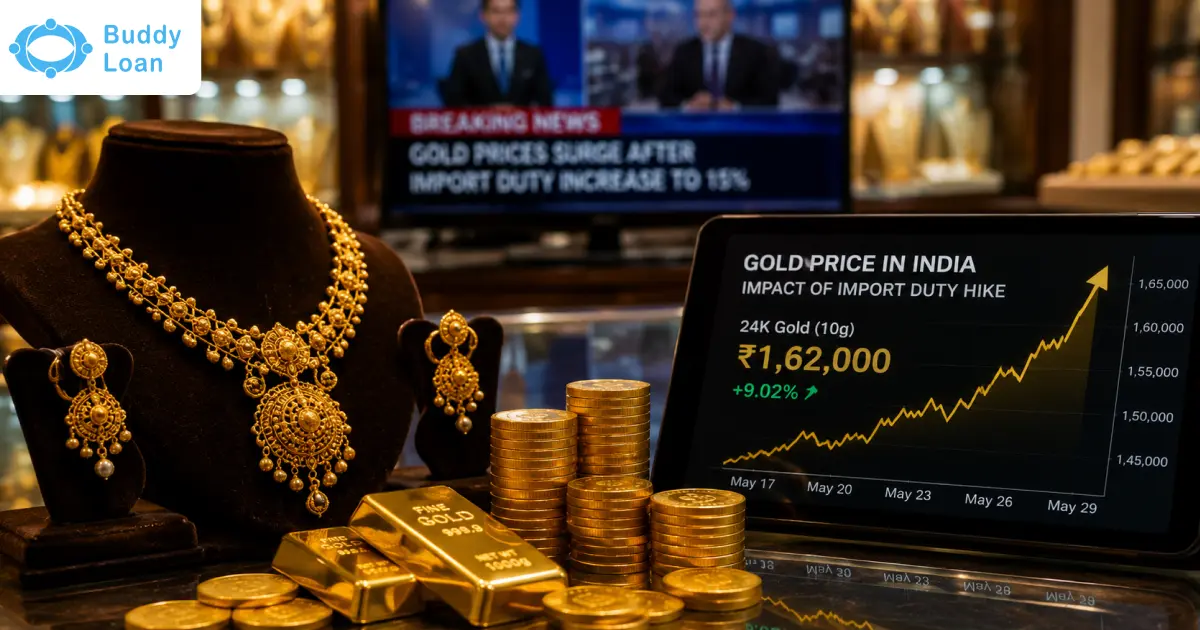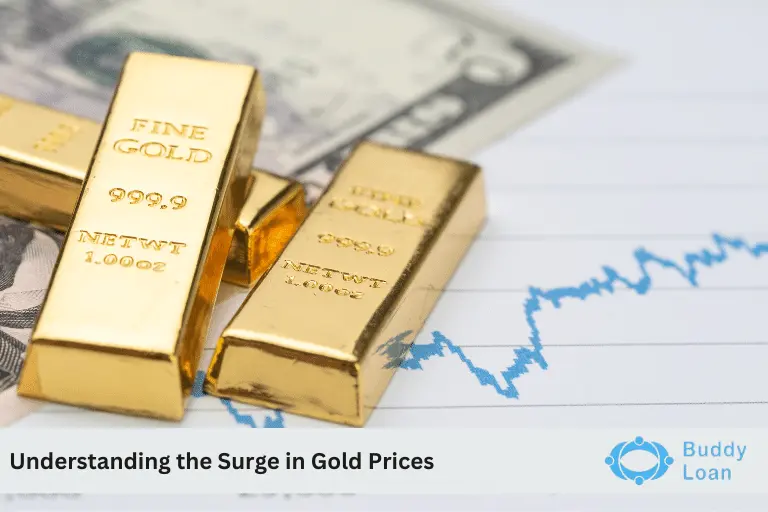
The price of gold is increasing due to a combination of factors including economic uncertainty, inflation concerns, central bank policies, currency fluctuations, and supply and demand dynamics. These factors have led investors to seek gold as a safe-haven asset, driving up its price.
Various global economic, geopolitical, and market-specific factors influence the price of gold. Economic uncertainty and concerns about inflation are the primary drivers of increasing gold prices. Gold is considered a safe-haven asset during turbulent times, and inflationary pressures often lead investors to turn to gold to preserve their purchasing power.
Let’s get to know the history and trends of gold and its fluctuating prices.
Factors Influencing Gold Price Increment
Central bank policies and monetary dynamics play a pivotal role in influencing the price of gold. Adjustments in interest rates, quantitative easing measures, and shifts in monetary policy can have profound effects on currency values and market sentiment.
- Changes in these policies: It can impact the gold price as an investment measure.
- Currency Fluctuations: As gold is priced in major currencies such as the US dollar, fluctuations in currency exchange rates can directly affect the cost of gold for investors in different countries.
- Supply and demand dynamics: Gold production levels, industrial demand for gold in sectors such as electronics and dentistry, and consumer demand for gold jewelry all contribute to the overall supply and demand balance. Factors such as mine production, exploration investment, and recycling rates can impact the available supply of gold.
Market sentiment and speculative activity can also influence the price of gold. The study of market and participants’ investment choices adds to the future changes in economic conditions, geopolitical developments, new monetary policies, trading, and of course your gold price movements.
Also Read: Different Types of Gold
Gold Price History
Over the past 4 decades, gold has been a beacon of stability amidst the flow of global economic dynamics. Gold has held significant cultural, religious, and economic importance in India for centuries.
- Historically, gold has been used in India for jewellery, investment, and religious ceremonies. The demand for gold tends to increase during festivals. This demand has a notable impact on the price of gold in the country.
- The price of gold in India is also affected by international market trends. Fluctuations in global gold prices, geopolitical events, and economic indicators influence the cost of gold in India. Additionally, the exchange rate between the Indian rupee and the US dollar plays a crucial role in determining the local price of gold, as gold is traded internationally in US dollars.
- Gold prices in India have exhibited both upward and downward trends. Economic conditions, inflation rates, government policies, and geopolitical developments have all contributed to the fluctuation of gold prices in the country.
- The Reserve Bank of India (RBI) and the Government of India also play a role in regulating the import, export, and trading of gold, which can impact its price and availability in the domestic market.
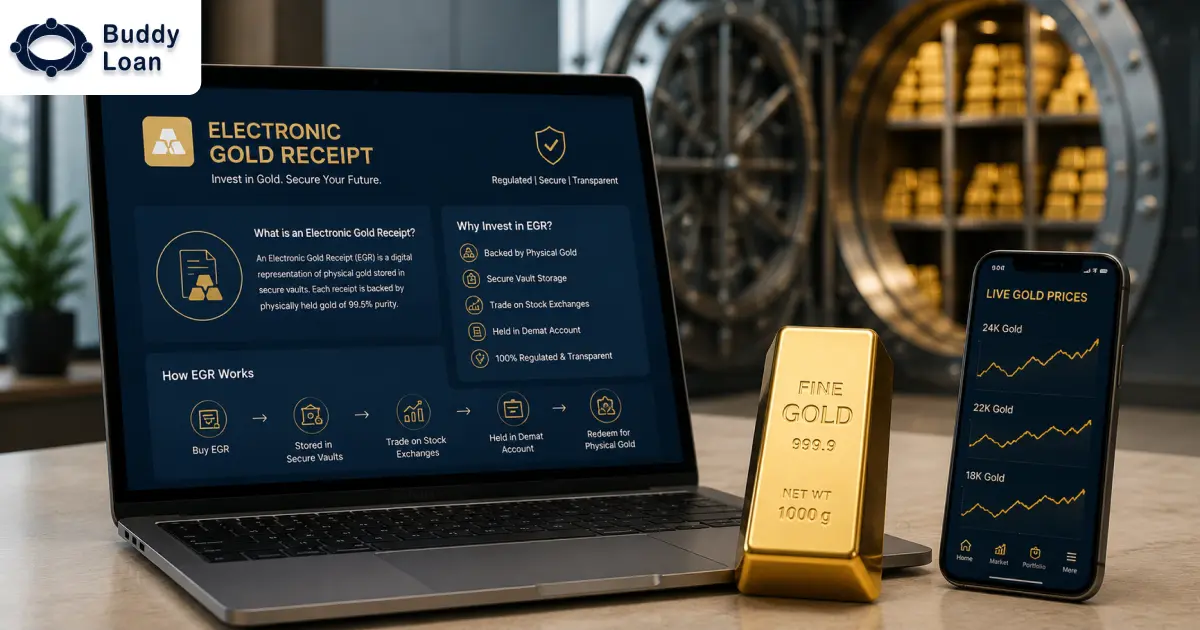
- The introduction of various investment options such as gold ETFs (Exchange-Traded Funds) and sovereign gold bonds has provided investors with alternative ways to participate in the gold market, influencing the demand and price of gold in India.
- It’s important to note that the historical price of gold in India can be analyzed over different periods, including daily, monthly, yearly, and long-term trends. These analyses provide valuable insights into the behavior of gold prices and can be useful for investors, economists, and policymakers.
Why Gold Performs Well?
Gold performs well in India for several reasons, rooted in the country’s culture, traditions, and economic dynamics.
Cultural Significance: During festivals, weddings, and other auspicious occasions, the demand for gold surges, contributing to its strong performance in the Indian market.
Investment and Savings: In India, gold is widely seen as a secure store of value and a hedge against inflation. Many Indian households invest in gold as a means of long-term savings and as a form of financial security.
Limited Trust in Financial Instruments: Many Indians have a preference for tangible assets like gold over financial instruments. This preference stems from a lack of trust in certain financial systems and a desire for assets that can be physically held and passed down through generations.
Inflation Hedge: Gold is viewed as a hedge against inflation, and given India’s history of inflationary pressures, many individuals and investors turn to gold as a means of preserving their wealth in the face of rising prices.
Jewellery Demand: India has a robust jewelry industry, and the demand for gold jewelry remains consistently high. This demand, driven by cultural practices and evolving fashion trends, contributes to the overall performance of gold in the country.
Government Policies and Regulations: The government’s policies and regulations regarding gold imports, exports, and trading also influence its performance in India. Changes in import duties, taxes, and regulations can impact the availability and pricing of gold in the domestic market.
Should Investors Buy Gold Now?
The decision for investors to buy gold at any given time depends on various factors including their investment goals, risk tolerance, and the current economic and geopolitical environment. Investors should carefully assess their circumstances and consider consulting with a financial advisor before making any investment decisions.
Here are the key points that’ll help you make a decision.
Portfolio Diversification: Gold is often considered a diversification tool as it tends to have a low correlation with other asset classes like stocks and bonds. Including a small portion of gold in a diversified investment portfolio can potentially reduce overall portfolio risk.
Inflation Hedge: Gold is often sought after by investors as a protection against inflation. If there are concerns about rising inflation, investing in gold might be considered as a way to protect purchasing power.
Market Conditions: Consider the current economic and geopolitical environment. Factors such as economic uncertainty, geopolitical tensions, and central bank policies can influence the demand for gold and its price.
Opportunity Cost: It’s important to weigh the opportunity cost of investing in gold. This means considering what other investments or assets could be foregone in favor of gold. Additionally, gold doesn’t generate income like dividend-paying stocks or interest-bearing bonds, so this should be taken into account.
Risk Tolerance: Assessing risk tolerance and investment goals is important for investors. Gold can be a volatile asset
The decision to buy gold or any other investment should be based on individual financial circumstances, investment objectives, and a thorough understanding of the potential risks and rewards.
So, what are the other factors that gold investors should be aware of?
What Should Gold Investors Be Aware Of?
Gold investors should be aware of the potential for price volatility. The role of gold as a hedge against inflation and economic uncertainty, the importance of diversification and portfolio allocation, the costs and logistics of owning physical gold, and any regulatory and tax considerations associated with gold investments.
Here are the factors you should be aware of.
Price Volatility: Gold prices can be volatile, and they can fluctuate based on a variety of factors, including economic indicators, geopolitical events, and market sentiment.
Inflation and Economic Factors: Gold is often seen as a hedge against inflation and economic uncertainty. Investors should stay informed about economic indicators, central bank policies, and geopolitical developments that can impact the price of gold.
Diversification and Portfolio Allocation: Investors should consider how gold fits into their overall investment portfolio. It’s important to assess the role of gold in diversifying a portfolio and its potential impact on overall risk and return.
Storage and Costs: If investors choose to physically own gold, they should be aware of the costs and logistics associated with storing and securing the precious metal. Alternatively, investors can consider gold exchange-traded funds (ETFs) or gold mining stocks as alternative ways to gain exposure to gold.
Market Liquidity: Gold is generally considered a liquid asset, but investors should be aware of potential liquidity constraints, especially when dealing with physical gold or less commonly traded forms of gold investments.
Regulatory and Tax Considerations: Depending on the jurisdiction, there may be specific regulations and tax implications associated with buying, owning, and selling gold. Investors should be aware of these considerations and seek appropriate advice if necessary.
By being mindful of these factors, gold investors can make more informed decisions and better navigate the opportunities and risks associated with investing in gold.
| Gold as an Asset & Investment
Gold is a great asset to own, and with Gold you can opt for various financial products such as gold loans, loans against gold, and loan against SGBs. From an investment point of view, you can opt from Sovereign Gold Bonds, Gold ETFs, Physical Gold, Digital Gold, Gold Mutual Funds & other Gold Saving Schemes. |
In Conclusion
The rise in gold prices is due to factors like economic uncertainty, inflation, central bank policies, currency fluctuations, and supply-demand dynamics. This intricate interplay shapes the complex gold market, attracting investors, economists, and policymakers. Considering market trends, will the gold rate decrease in the coming days? Here are the top 10 reasons to invest in gold and the top 10 benefits of buying digital gold, especially if you’re wondering if gold rates will fall in 2025 in India.

Download the Buddy Loan App Now!
One solution to each of your financial needs at your fingertip.

Scan to download now