A secured credit card is a type of credit card that is issued against a security deposit, usually in the form of a Fixed Deposit (FD). The deposit acts as collateral for the bank and reduces the lender’s risk in case the cardholder fails to repay dues. These cards are specially designed for people with no credit history, low CIBIL scores, or limited income proof. A secured credit card works almost like a regular credit card and can be used for shopping, online payments, utility bills, travel bookings, and EMI purchases. By making timely payments and maintaining responsible spending habits, users can gradually improve their credit score and become eligible for unsecured credit cards and loans in the future.


How Does a Secured Credit Card Work?
A secured credit card functions similarly to a traditional credit card, but it is backed by a refundable security deposit. The card issuer uses the deposit as collateral, which minimizes the financial risk associated with lending credit to individuals with limited or poor credit history.
Here’s how it works:
- The applicant opens a Fixed Deposit with the issuing bank.
- The bank provides a credit card against the FD amount.
- The credit limit is usually 80% to 100% of the FD value.
- The cardholder can use the card for transactions just like any regular credit card.
- A monthly statement is generated showing total expenses and outstanding dues.
- Timely repayment helps build a positive credit history.
- If the user defaults, the bank can recover the dues from the FD amount.
- Once the card is closed and all dues are paid, the FD is released back to the customer.
| Example: If you open an FD of ₹50,000, the bank may offer a secured credit card limit of ₹40,000 to ₹50,000. If you spend ₹8,000 in a billing cycle and pay the full amount before the due date, your credit history improves over time.
A secured card is not a prepaid card. Your FD does not automatically pay your monthly bill. You still need to make repayments separately. |
Who Should Apply for a Secured Credit Card?
Secured credit cards are designed for individuals who may not qualify for regular unsecured credit cards due to a lack of credit history or low creditworthiness.
The following people can consider applying for a secured credit card:
- First-Time Credit Users: People who have never taken loans or used credit cards often lack a credit score. A secured credit card helps them start building a credit history.
- Students and Young Professionals: Students and fresh graduates usually do not have sufficient income proof or credit records. Secured cards provide them with an easy entry into the credit system.
- Individuals with Poor Credit Scores: People whose credit scores were affected due to missed EMIs, loan defaults, or delayed payments can rebuild their credit profile through disciplined card usage.
- Self-Employed Individuals: Freelancers, consultants, and small business owners who may not have regular salary slips can qualify easily because the card is backed by a deposit.
- Homemakers: Homemakers who wish to establish an independent credit history can use secured cards without requiring income proof.
- NRIs and New Bank Customers: Individuals new to the banking system in India can use secured cards to establish a local financial footprint.
Benefits of a Secured Credit Card
Secured credit cards provide several financial and credit-building benefits that make them an ideal choice for beginners and credit rebuilders.
Easy Approval Process: Since the card is backed by collateral, banks are more willing to approve applications even for people with low or no credit scores.
Helps Build Credit Score: Banks report payment history to credit bureaus like CIBIL, Experian, and Equifax. Responsible usage improves the credit profile over time.
Lower Risk of Overspending: The credit limit is linked to the FD amount, helping users maintain controlled spending habits.
Earn Interest on Fixed Deposit: Unlike security deposits that remain idle, the FD linked to the card continues to earn interest throughout the tenure.
Minimal Documentation: Most secured credit cards require only basic KYC documents and FD details, making the application process simple.
Access to Rewards and Offers: Many secured cards now offer:
- Cashback rewards
- Fuel surcharge waivers
- Reward points
- Dining discounts
- EMI conversion options
Online and International Usage: Most secured cards support online shopping, contactless payments, UPI linking, and international transactions.
Also Read: Credit Cards without Annual Fee

How a Secured Credit Card Helps Build a Credit Score
A secured credit card is one of the most effective tools for improving or establishing a healthy credit score.
Builds Payment History: Payment history is one of the biggest factors affecting your credit score. Timely repayments demonstrate financial discipline.
Improves Credit Utilization Ratio: Maintaining a low utilization below 30% of your credit limit positively impacts your score. Example: If your credit limit is ₹40,000, try to keep monthly usage below ₹12,000.
Creates Credit History: Consistent usage over time builds a reliable credit track record.
Enhances Credit Mix: Having both loans and credit cards improves the diversity of your credit portfolio.
Increases Future Loan Eligibility: A strong repayment record helps users qualify for:
- Personal loans
- Home loans
- Car loans
- Premium credit cards
Also Read: Loans on Credit Cards
Top Secured Credit Card Against Fixed Deposit in India
In India, secured credit cards are commonly issued against Fixed Deposits. These cards are suitable for users looking to build credit while earning interest on their savings.
| Credit Card Name | Key Benefits | Minimum FD | Annual Fee |
| IDFC FIRST WOW! Credit Card | Zero forex markup, reward points | ₹2,000 | Lifetime Free |
| ICICI Instant Platinum Credit Card | Instant approval, fuel surcharge waiver | ₹20,000 | Nil |
| SBI Unnati Credit Card | Cashback benefits, fee reversal options | ₹25,000 | Nil joining fee |
| Kotak 811 DreamDifferent Credit Card | Online reward benefits | ₹10,000 | Lifetime Free |
| Bank of Maharashtra Secured Credit Card | Lounge access and EMI facility | ₹12,500 | Lifetime Free |
| BOBCARD Prime Secured Card | Reward points and fuel benefits | ₹15,000 | Nil |
Key Features of FD-Based Secured Cards
- Credit limit linked to the FD amount
- FD earns interest during card usage
- Easier approval process
- Suitable for beginners and low-credit users
- Online application available for many banks
Secured Credit Card Eligibility Criteria
Eligibility requirements for secured cards are generally simple and flexible.
Basic Eligibility Criteria
- Applicant must be at least 18 years old
- Must have a valid PAN and Aadhaar
- Must open a Fixed Deposit with the issuing bank
- Indian residency proof required
- Some banks may require a savings account relationship
- Minimum FD amount depends on the bank
Documents Required to Apply for a Secured Credit Card
Secured credit cards require limited documentation because the deposit acts as security for the lender.
| Document Type | Documents Required |
| Identity Proof | PAN Card, Aadhaar Card, Passport |
| Address Proof | Aadhaar, Utility Bill, Voter ID |
| FD Proof | Fixed Deposit receipt or account details |
| Photographs | Passport-size photographs |
| Bank Account Proof | Passbook or cancelled cheque |
| Income Proof | Usually not required |
| Why Income Proof Is Often Not Needed?
Since the credit card is backed by your own deposit, banks rely less on salary or income verification. |
Also Read: Best Cashback Credit Cards
How to Apply for a Secured Credit Card
Applying for a secured credit card is simple and can often be completed online.
Step 1: Compare Available Cards
Review features such as annual fees, reward programs, FD requirements, interest rates, and forex charges.
Step 2: Open a Fixed Deposit
Create an FD with the issuing bank for the required minimum amount.
Step 3: Fill Out Application Form
Submit your application online or at the branch.
Step 4: Complete KYC Verification
Provide PAN, Aadhaar, address proof, and biometric verification if required.
Step 5: Wait for Approval
Banks generally process secured card applications faster than unsecured cards.
Step 6: Activate the Card
Once approved, activate the card through mobile banking or customer care.
Secured Credit Card vs Unsecured Credit Card
A secured credit card and an unsecured credit card work similarly for spending, billing, and repayment. The main difference is collateral.
| Feature | Secured Credit Card | Unsecured Credit Card |
| Collateral | Fixed deposit required | No collateral required |
| Approval | Easier | Depends on income and credit score |
| Best For | Beginners, low CIBIL users | Users with stable income and good credit |
| Income Proof | Often not required | Usually required |
| Credit Limit | Linked to FD | Based on income and credit profile |
| Risk to Bank | Lower | Higher |
| Rewards | Basic to moderate | Basic to premium |
| Upgrade Path | Can lead to an unsecured card | Already unsecured |
| Credit Building | Yes | Yes |
| FD Lock-in | Yes | No |
Which One Should You Choose?
Choose a secured credit card if you are new to credit, have a low CIBIL score, or cannot provide income proof.
Choose an unsecured credit card if you already have a good credit score, stable income, and qualify without collateral.
Also Read: Top 5 Lifetime Free Credit Cards
How to Use a Secured Credit Card Responsibly
Responsible usage is essential for improving your credit score and financial stability.
Best Practices
- Pay Bills on Time: Always clear dues before the due date to avoid penalties and damage to your credit score.
- Keep Utilization Low: Avoid spending the entire credit limit.
- Use Auto-Pay: Automatic payments reduce the chances of missing due dates.
- Monitor Statements Regularly: Check for unauthorized transactions and spending patterns.
- Avoid Frequent Cash Withdrawals: Cash advances attract high interest immediately.
- Spend Within Budget: Treat the card as a financial tool, not extra income.
Common Mistakes to Avoid with a Secured Credit Card
A secured credit card can improve your credit score, but mistakes can damage it.
Avoid These Mistakes
- Missing bill payments
- Paying only the minimum amount due
- Using the full credit limit
- Assuming the FD pays the bill automatically
- Closing the card too early
- Ignoring interest charges
- Taking frequent cash advances
- Applying for many cards at once
- Not checking statements
- Spending more because the card is secured
| Biggest Mistake: Paying Only the Minimum Due:
The minimum amount due keeps your card active, but the unpaid balance attracts high interest. This can quickly become expensive. Another Common Mistake: Maxing Out the Card: Using 80% to 100% of your credit limit regularly may signal credit stress. It can hurt your credit score even if you pay on time. |
When Can You Upgrade from a Secured Credit Card to a Regular Credit Card?
You may be able to upgrade from a secured credit card to a regular unsecured credit card after showing responsible credit behavior.
You May Qualify for an Upgrade When
- You pay bills on time for 6 to 12 months.
- Your CIBIL score improves.
- Your income becomes stable.
- Your bank account activity is healthy.
- Your credit utilization remains low.
- You have no recent defaults.
- The bank sees lower credit risk.
What Happens After the Upgrade?
The bank may:
- Release your FD lien
- Refund or unlock the fixed deposit
- Offer an unsecured credit card
- Increase your credit limit
- Offer better rewards
- Provide premium card options
Also Read: Credit Cards to Improve Credit Score
Pros and Cons of a Secured Credit Card
A secured credit card is helpful, but it may not be perfect for everyone.
| Pros | Cons |
| Easier approval | Requires a fixed deposit |
| Helps build a credit score | FD amount gets locked |
| Good for low CIBIL users | Credit limit depends on the FD |
| Often available without income proof | Fewer premium benefits |
| Useful for beginners | Interest can be high |
| FD may continue earning interest | Cash withdrawals are costly |
| Helps build repayment history | Some cards may have annual fees |
| Can support future loan approval | Upgrade is not always automatic |
Is a Secured Credit Card Right for You?
A secured credit card can be an excellent option depending on your financial goals and credit situation.
It Is Suitable If
- You are new to credit
- You have a low CIBIL score
- You want guaranteed approval
- You prefer controlled spending
- You want to rebuild your credit history
- You already maintain Fixed Deposits
It May Not Be Suitable If
- You already qualify for premium unsecured cards
- You do not want funds locked in an FD
- You need a very high credit limit immediately
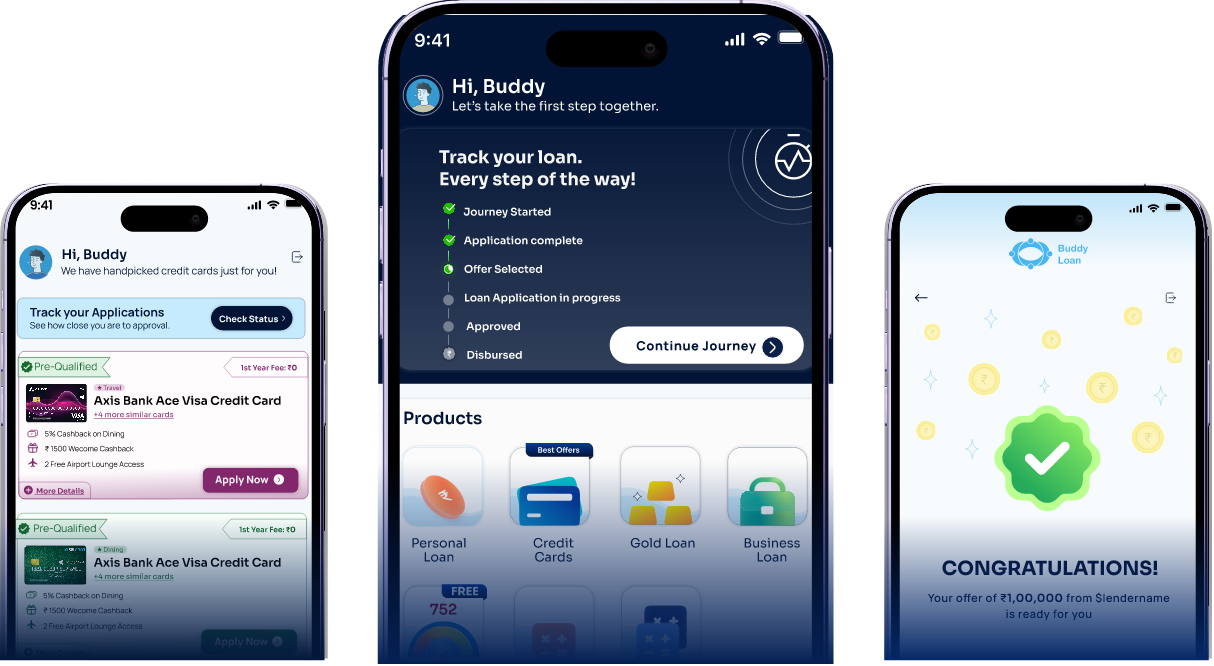
Download the Buddy Loan App Now!
One solution to each of your financial needs at your fingertip.

Scan to download now