Many borrowers think that once you take a personal loan, you’re stuck with the same lender until full repayment. This is a common myth that prevents people from exploring opportunities to save money.
The truth is, you can switch lenders through a process called balance transfer, and doing so can help you lower EMIs, reduce total interest, and manage your loan more effectively.
This blog explains the myth, the facts, how balance transfer works, when it makes sense, hidden costs to consider, and step-by-step tips to do it safely.
Myth: You Can’t Switch Personal Loan Lenders
A lot of borrowers assume that once a loan is disbursed, there’s no way to move to another lender. This misconception comes from several common fears:
- Switching lenders is complicated and time-consuming.
- There will be penalties or hidden charges for closing the existing loan early.
- Applying for a new loan will negatively affect your credit score.
Because of these fears, many borrowers continue paying high EMIs or interest rates unnecessarily.
Fact: These concerns are largely exaggerated. Modern banking and fintech systems allow borrowers to switch lenders safely while maintaining a good credit record, especially through balance transfers.
Fact: Balance Transfer Lets You Switch Lenders & Save Money
A balance transfer is the process of moving your outstanding personal loan amount from one lender to another that offers better interest rates or flexible repayment terms.
Here’s how it works step by step:
- Apply for a Balance Transfer: Find a lender offering lower interest rates, flexible tenure, or lower EMIs, and submit your application.
- New Lender Pays Off Your Old Loan: The new lender clears the outstanding balance with your previous lender.
- Start Repaying the New Lender: You continue to repay the loan under more favorable terms, such as lower monthly payments or adjusted tenure.
Balance transfer is a strategic financial tool that helps borrowers regain control over their loans while saving money.
Also Read: Personal Loan Balance Transfer
When Does a Balance Transfer Make Sense for a Personal Loan?
Not every situation requires a balance transfer. It’s most useful when:
- Your current loan has a high interest rate compared to what other lenders offer.
- You want to reduce your monthly EMI to better manage your budget.
- You want to adjust the tenure, either to pay off faster or reduce EMIs.
- Your current lender doesn’t offer flexible repayment options, such as part-payment or prepayment without fees.
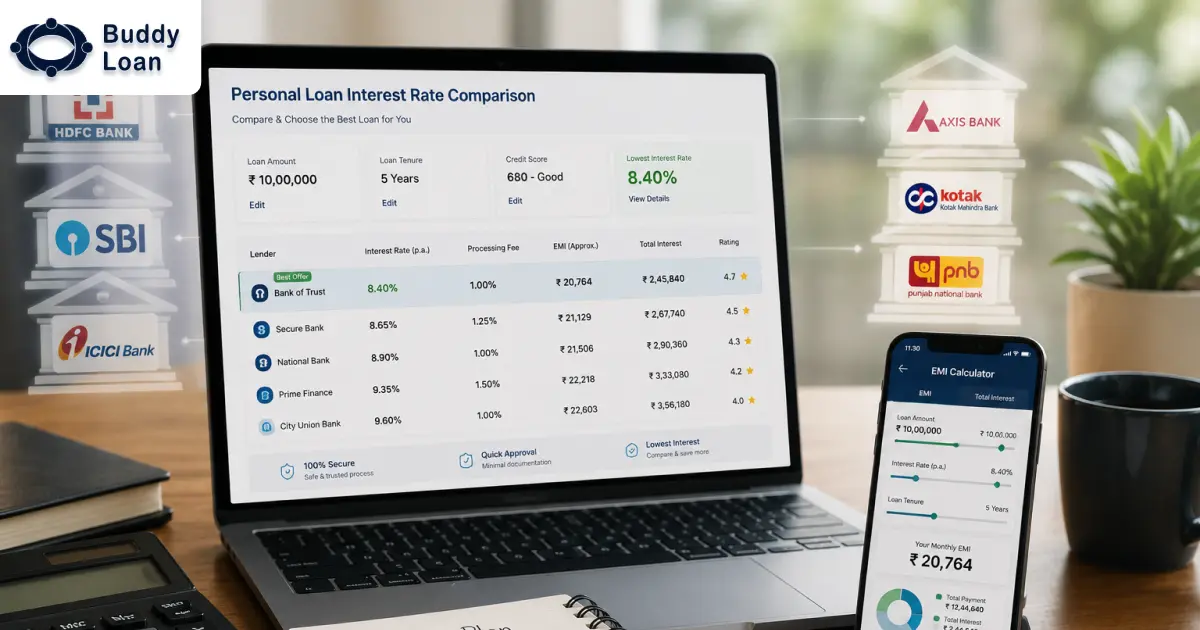
Pro Tip: Always calculate the total cost, including processing fees, before transferring. Sometimes the fees may offset the savings if you’re not careful.
Once have enquired about the loan and other charges, use an online EMI calculator to make a suitable decision.
Benefits of Switching Personal Loan Lenders Through Balance Transfer
Balance transfers provide several advantages:
- Lower Monthly EMIs: By moving to a lower interest rate, your monthly payments can be reduced significantly, giving you more financial breathing space.
- Reduced Total Interest Outgo: Switching to a lower interest rate can save thousands of rupees over the loan tenure.
- Flexible Loan Tenure Options: New lenders may allow you to adjust the repayment period, either shortening it to save interest or lengthening it to reduce EMIs.
- Improved Financial Management: Balance transfers can help streamline loan repayment and reduce stress by aligning EMIs with your current budget.
Key Insight: Balance transfers are most effective if you maintain a good credit score and have a consistent repayment history.

Hidden Costs of Balance Transfer You Should Know
While balance transfers can save money, borrowers should be aware of potential costs:
- Processing Fees: Most lenders charge 1–2% of the outstanding loan.
- Prepayment Penalties: Some lenders may charge fees for closing the existing loan early.
- Documentation Charges: Administrative fees may apply while processing the new loan.
- Overlapping EMIs: Ensure the old loan is cleared fully to avoid paying two EMIs simultaneously.
Being aware of these hidden costs ensures that the balance transfer actually saves money rather than adding unexpected expenses.
Steps to Do a Personal Loan Balance Transfer Safely
- Check Your Credit Score: A strong credit score improves approval chances. Use tools like Buddy Score to check your score for free.
- Compare Lenders and Offers: Look for lenders offering lower interest rates, flexible tenure, and minimal fees.
- Use a Trusted Platform: Platforms like Buddy Loan connect you to verified lenders and allow you to compare multiple offers safely.
- Submit Complete Documentation: Ensure your income proof, ID, and previous loan documents are accurate to avoid delays.
- Verify Old Loan Closure: Confirm that your previous lender has received full payment to prevent overlapping EMIs or penalties.
| Real-Life Example: How Balance Transfer Can Save Money
Rahul had a personal loan of ₹5,00,000 at 14% interest, with 18 months remaining and an EMI of ₹12,000. He applied for a balance transfer to a new lender offering 10% interest:
This example illustrates how switching lenders through a balance transfer can save money and improve financial flexibility. |
Final Thoughts
The myth that you can’t switch personal loan lenders is simply false. A balance transfer allows you to lower your monthly EMIs, reduce total interest, adjust the loan tenure to suit your budget, and gain greater flexibility and control over repayment.
Verified platforms like Buddy Loan make it easy to compare multiple lenders, interest rates, and tenure options, helping you make the smartest choice for your personal loan. Remember, smart borrowing is about more than just taking a loan; it’s about managing it wisely.
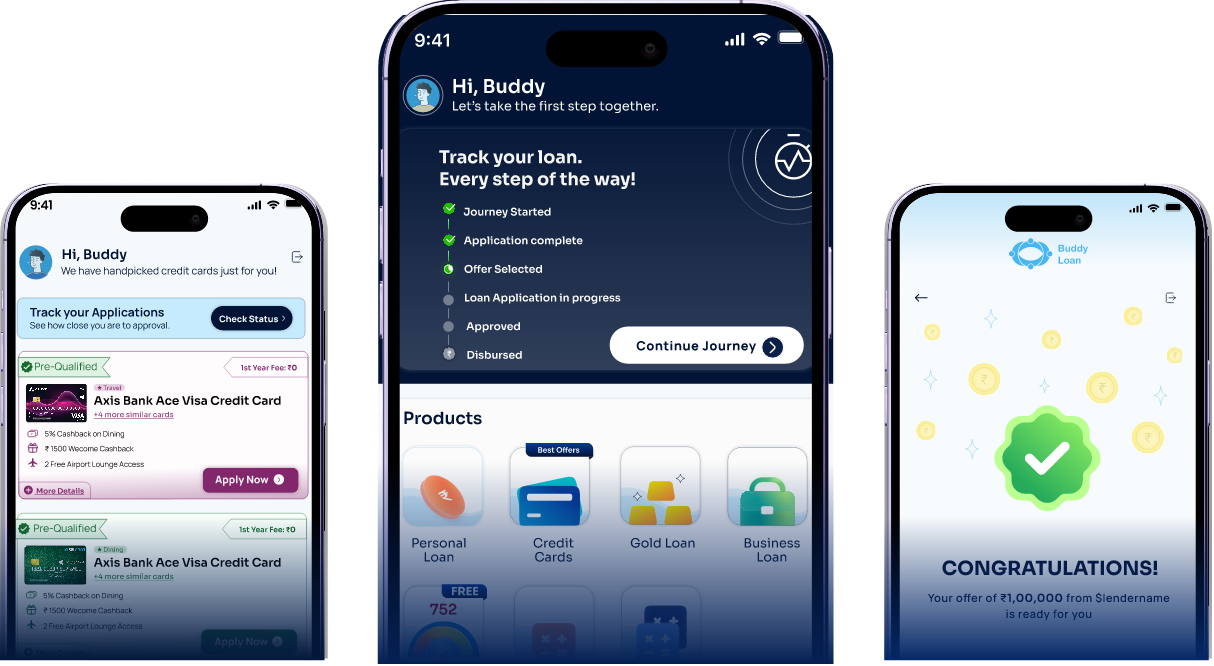
Download the Buddy Loan App Now!
One solution to each of your financial needs at your fingertip.

Scan to download now