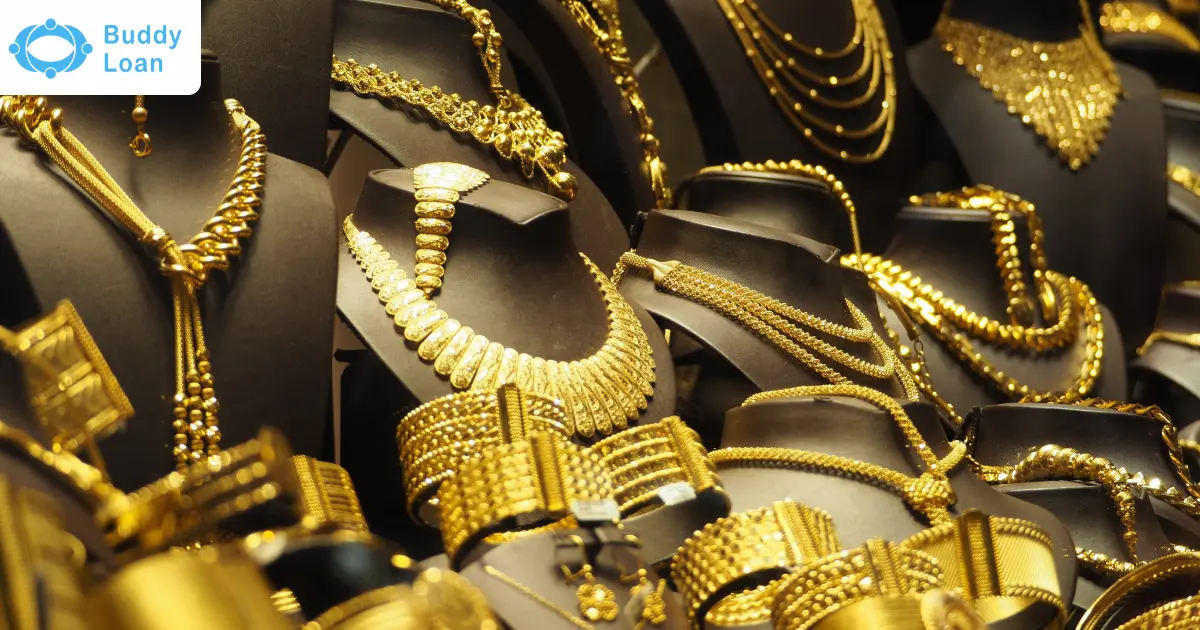
From grand weddings to auspicious festivals, gold has always been at the heart of Indian culture. Being a status symbol, a powerful traditional investment, passed down by generations.
But as gold prices continue to climb, buyers often hesitate to make big-ticket purchases. To tackle this, gold retailers across India are now pushing for EMI (Equated Monthly Installment) facilities to make gold buying easier and more affordable.
This move could reshape how Indians invest in gold while also boosting sales for the retail sector. Let’s dive into why this trend is picking up, how it can benefit consumers and what it means for the jewelry industry.
Rising Gold Prices Put Pressure on Retail Sales
According to data from the All India Gem and Jewellery Domestic Council (GJC) and reports in The Hindu BusinessLine, gold prices have been hovering at record highs in 2024 and 2025. This has directly impacted jewelry sales during peak festival and wedding seasons.
For many families, spending lakhs of rupees in one go on jewelry has become difficult. As a result, retailers are seeing footfall but fewer conversions into purchases. By offering EMI options, the industry hopes to make buying jewelry less of a financial burden.
Why Retailers Are Asking for EMI Options
Retailers believe that EMI can:
- Increase affordability: Customers can pay in small, manageable installments instead of a lump sum.
- Boost festive and wedding sales: Indians rarely compromise on gold for big events and EMI could encourage them to buy more.
- Attract younger buyers: Millennials and Gen Z prefer flexible financial solutions. EMI appeals directly to them.
- Enhance financial inclusivity: Even middle-income families can access premium designs without straining their monthly budget.
This demand isn’t just from big brands. Jewelry associations and local merchants across India are urging banks and financial institutions to collaborate on EMI schemes for gold.
How EMI on Gold Purchases Could Work
While EMI is common in electronics, cars and smartphones, applying it to gold requires some innovation. Here’s how it could be structured:
- Partnership with banks and NBFCs: Just like consumer loans, banks can provide EMI options for gold purchases.
- Digital EMI solutions: With UPI and fintech apps becoming popular, customers can apply for EMI directly at jewelry counters.
- Zero-cost EMI schemes: To encourage uptake, retailers may share part of the interest with banks so that buyers enjoy no-interest EMIs.
- Flexible tenure: Buyers could choose anywhere between 3 months to 24 months to repay.
Growing Demand for Digital and EMI-based Gold Buying
The digital gold trend in India has already shown that younger consumers prefer smaller, recurring investments instead of one-time bulk purchases. Apps and fintech platforms allow buying gold for as little as ₹100.
By introducing EMI options in physical jewelry shops, retailers can tap into this same psychology of small, regular payments while still promoting traditional jewelry buying.
The Role of Jewelers’ Associations
Bodies like the All India Gem and Jewellery Domestic Council (GJC) and merchant associations are in talks with both private and public sector banks to roll out structured EMI products.
According to reports, these associations argue that gold is both an investment and a necessity in Indian culture. If buyers get easier access through EMI, it would not only benefit retail businesses but also strengthen formal financial channels by reducing unorganized gold lending.

What This Means for Customers
If EMI for gold becomes mainstream, customers can look forward to:
- Buying gold jewelry without upfront stress.
- Accessing high-value designs within budget.
- Transparent monthly payment options.
- Increased purchasing power during festivals like Akshaya Tritiya, Diwali and wedding seasons.
How EMI Could Boost the Gold Industry
India is the world’s second-largest consumer of gold and jewelry retail forms a massive part of this market. But high prices often discourage big-ticket spending. EMI can:
- Drive higher sales volume for retailers.
- Increase customer loyalty by offering financial flexibility.
- Encourage formal financing instead of unregulated credit.
- Stabilize demand cycles even during price fluctuations.
Buddy Loan and Flexible Gold Financing
While banks and NBFCs may take time to roll out structured EMI for gold purchases, fintech platforms like Buddy Loan are already bridging the gap. With Buddy Loan, customers can access instant personal loans with competitive interest rates, which can then be used for buying gold jewelry.
This offers a practical solution until EMI products become widely available at jewelry stores. For buyers, it means they don’t have to delay their gold purchases, they can fund it smartly and repay in easy installments.
Conclusion
The push for EMI on gold purchases is more than just a retail strategy, it’s a step toward making gold buying more inclusive and affordable in India.
With soaring prices, many households find it hard to invest in jewelry despite cultural and emotional significance. EMI schemes can bridge this gap by giving buyers the flexibility to purchase without financial strain.
Retailers, banks and fintech players all have a role to play in making this a reality. If successful, this move could not only boost gold sales but also modernize India’s traditional jewelry market.
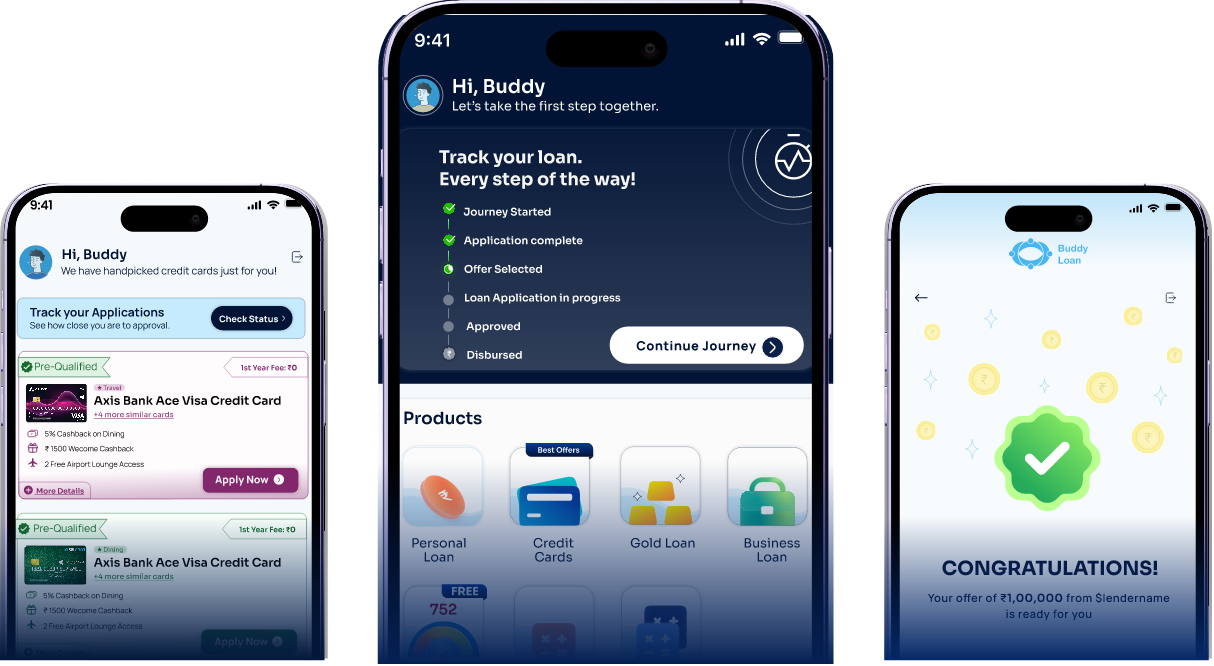
Download the Buddy Loan App Now!
One solution to each of your financial needs at your fingertip.

Scan to download now