
In November 2025, India’s financial watchdog, the Securities and Exchange Board of India (SEBI), released a cautionary press note that immediately caught the attention of millions of investors. The advisory warned the public about the rising risks linked to buying digital gold through unregulated apps and platforms. Digital gold has become wildly popular in recent years because it’s easy to purchase in small amounts, often directly from UPI apps or fintech wallets. But SEBI made it clear that many of these offerings fall outside any established regulatory framework. With gold prices soaring this year, this warning arrives at a critical moment for Indian investors.
Regulated Digital Gold Options
Even though SEBI has raised concerns, it isn’t telling people to avoid gold altogether. What it is saying is that buyers should shift toward regulated, transparent products. These options already exist in India, and they offer the same exposure to gold without the grey areas.
- Gold ETFs: Gold Exchange-Traded Funds are among the oldest regulated digital gold products in India. They’re traded on stock exchanges and hold physical gold with proper auditing, custodian agreements and compliance systems.
- Electronic Gold Receipts (EGRs): EGRs were introduced recently to make gold tradeable like stocks. Each receipt represents gold stored in accredited vaults. Prices are transparent, and the system runs within the regulatory perimeter.
- Commodity Derivatives: These include regulated futures and options contracts that let investors bet on gold prices. They’re traded on commodity exchanges under strict rules. While these aren’t meant for beginners, they are fully recognized and protected.
These choices give investors gold exposure without the uncertainty around storage, purity or counterparty risks.

What is SEBI?
The Securities and Exchange Board of India is the country’s primary market regulator. SEBI oversees stock exchanges, listed companies, brokers, mutual funds and almost every intermediary involved in securities markets. Its job is to ensure that the markets function fairly, investors are protected, and financial products follow strict disclosure and risk-management norms.
When SEBI issues a warning, the industry takes it seriously. In its latest advisory, SEBI clarified that digital gold does not qualify as a security, a commodity derivative or an electronic gold receipt. That means it does not fall under SEBI’s regulatory jurisdiction. As a result, SEBI cannot step in if something goes wrong between a digital-gold buyer and the platform selling it. This is the heart of SEBI’s caution.
Also Read: Top 10 Reasons to Invest in Gold
Understanding Digital Gold
Digital Gold refers to gold you buy electronically through an app or website. Instead of taking physical possession, the platform claims to store the gold on your behalf in a secure vault.
The appeal is obvious:
• You can buy gold worth as little as one rupee.
• There’s no need to visit a jeweller.
• You can redeem or sell anytime.
• The gold is supposed to be stored safely.
Digital gold became especially popular during the pandemic and has continued to grow because it’s simple, quick and low-cost on the surface. But ease of use can hide structural risks.
Where the risk lies:
• Many platforms are private companies with no official regulatory oversight.
• There’s no standardised audit system to confirm how much gold is actually stored.
• Storage and insurance terms vary widely between platforms.
• If the company shuts down or goes bankrupt, your gold may be at risk.
• Redemption charges, delivery delays and purity disputes are not uncommon.
This is why SEBI stepped in with a warning before the sector grows too fast without safeguards.
Gold Trend in the Past Years
2025 has been a remarkable year for gold. Prices have shot up due to global economic uncertainty, shifts in currency markets and stronger demand from both retail buyers and central banks. Here’s the 2025 gold rate trend in Bangalore for 1 gram of 24K and 22K gold.
| Term | 24K | 22K |
| 10 Days | ₹12,500 | ₹11,458 |
| 20 Days | ₹12,374 | ₹11,342 |
| 30 Days | ₹12,458 | ₹11,420 |
| 60 Days | ₹12,247 | ₹11,226 |
| 90 Days | ₹11,716 | ₹10,739 |
| 180 Days | ₹10,845 | ₹9,941 |
| 1 Year | ₹9,733 | ₹8,922 |
| 2 Years | ₹8,376 | ₹7,678 |
| 3 Years | ₹7,545 | ₹6,916 |
| 4 Years | ₹6,939 | ₹6,361 |
| 5 Years | ₹6,523 | ₹5,979 |
| 6 Years | ₹6,226 | ₹5,708 |
| 7 Years | ₹5,892 | ₹5,403 |
| 8 Years | ₹5,581 | ₹5,121 |
| 10 Years | ₹5,127 | ₹4,710 |

Average Monthly Gold Rate of 1 Gram for the Past 6 Months in India
Recent national data shows that gold prices have been rising steadily month after month, and the six-month averages highlight just how consistent this upward trend has been across both 22K and 24K purity levels.
22K Monthly Gold Trend in India
| Month | Month Start | Month End | Average | Highest | Lowest | Average | % Change | Overall Status |
| Nov 2025 | ₹11,275 | ₹11,455 | ₹11,365 | ₹11,790 | ₹11,135 | ₹11,462 | 1.60% | Rising |
| Oct 2025 | ₹10,930 | ₹11,300 | ₹11,115 | ₹12,170 | ₹10,865 | ₹11,517 | 3.39% | Rising |
| Sep 2025 | ₹9,705 | ₹10,765 | ₹10,235 | ₹10,765 | ₹9,705 | ₹10,235 | 10.92% | Rising |
| Aug 2025 | ₹9,150 | ₹9,620 | ₹9,385 | ₹9,620 | ₹9,150 | ₹9,385 | 5.14% | Rising |
| Jul 2025 | ₹9,020 | ₹9,170 | ₹9,095 | ₹9,380 | ₹9,000 | ₹9,190 | 1.66% | Rising |
| Jun 2025 | ₹8,920 | ₹8,915 | ₹8,917 | ₹9,320 | ₹8,915 | ₹9,117 | -0.06% | Falling |
| May 2025 | ₹8,775 | ₹8,920 | ₹8,847 | ₹9,130 | ₹8,610 | ₹8,870 | 1.65% | Rising |
24K Monthly Gold Trend in India
| Month | Month Start | Month End | Average | Highest | Lowest | Average | % Change | Overall Status |
| Nov 2025 | ₹12300 | ₹12497 | ₹12398 | ₹12865 | ₹12148 | ₹12506 | 1.60% | Rising |
| Oct 2025 | ₹11942 | ₹12328 | ₹12135 | ₹13277 | ₹11853 | ₹12565 | 3.39% | Rising |
| Sep 2025 | ₹10588 | ₹11744 | ₹11166 | ₹11744 | ₹10588 | ₹11166 | 10.92% | Rising |
| Aug 2025 | ₹9982 | ₹10495 | ₹10238 | ₹10495 | ₹9982 | ₹10238 | 5.14% | Rising |
| Jul 2025 | ₹9840 | ₹10003 | ₹9921 | ₹10233 | ₹9818 | ₹10025 | 1.66% | Rising |
| Jun 2025 | ₹9731 | ₹9726 | ₹9728 | ₹10168 | ₹9726 | ₹9947 | -0.05% | Falling |
| May 2025 | ₹9573 | ₹9731 | ₹9652 | ₹9960 | ₹9393 | ₹9676 | 165.00% | Rising |
Also Read: Different Ways to Invest in Gold
Gold Rate Trend in Major Cities in India
City-wise rates reveal the same pattern, with all major metros reporting gold prices close to their yearly highs, reflecting strong nationwide demand and a firm market.
| City | 24K Today (1 g) | 22K Today (1 g) | 18K Today (1 g) |
| Chennai | ₹12,589 | ₹11,540 | ₹9,625 |
| Mumbai | ₹12,497 | ₹11,455 | ₹9,373 |
| Delhi | ₹12,512 | ₹11,470 | ₹9,388 |
| Kolkata | ₹12,497 | ₹11,455 | ₹9,373 |
| Bangalore | ₹12,497 | ₹11,455 | ₹9,373 |
| Hyderabad | ₹12,497 | ₹11,455 | ₹9,373 |
| Kerala | ₹12,497 | ₹11,455 | ₹9,373 |
| Pune | ₹12,497 | ₹11,455 | ₹9,373 |
| Vadodara | ₹12,502 | ₹11,460 | ₹9,378 |
| Ahmedabad | ₹12,502 | ₹11,460 | ₹9,378 |
Safer Options to Invest in Gold
With SEBI flagging concerns around unregulated digital gold, it’s worth looking at the investment options that offer stronger protection, clearer regulations and long-term reliability for anyone wanting exposure to gold.
1. Sovereign Gold Bonds (SGBs)
The Sovereign Gold Bonds (SGBs) are government-backed instruments issued by the Government of India and managed by the RBI. Instead of holding physical gold, you hold a bond whose value is linked to the price of gold.
Why SGBs stand out
• Returns track gold prices.
• Earn 2.5% annual interest, credited semi-annually.
• No capital gains tax if held till maturity (8 years).
• Safe from theft, fraud or purity concerns.
• No storage or insurance costs.
• Bonds can be used as collateral for loans.
What to be aware of
• Maturity is 8 years, but you can exit after the 5th year on interest payment dates.
• Liquidity is better than before but still not as smooth as ETFs.
SGBs are best suited for long-term holders who want safety and stable returns.
| Loan Against Sovereign Gold Bonds | Buy Sovereign Gold Bonds Online |
| SBI Sovereign Gold Bonds | HDFC Sovereign Gold Bonds |
| ICICI Sovereign Gold Bonds | Sovereign Gold Bonds Discontinued |
2. Gold ETFs
Gold ETFs are mutual fund units traded on stock exchanges. They invest in physical gold on behalf of investors.
Why they’re popular
• High liquidity : buy or sell anytime during market hours.
• Fully regulated under SEBI’s framework.
• No hassle of purity checks or storage.
• Lower fees compared to gold mutual funds.
• Tracks the price of 24K gold closely.
What to consider
• Requires a demat and trading account.
• Slight price difference may occur due to bid–ask spreads.
This is ideal for investors who want to trade or build gold exposure easily.
3. Gold Mutual Funds
Gold mutual funds indirectly invest in gold ETFs, giving you exposure to gold without needing a demat account.
Why they suit beginners
• Can start with small amounts through SIPs.
• Professionally managed portfolios.
• No storage issues or risk of theft.
• Simple to understand for new investors.
Things to keep in mind
• Higher expense ratios compared to ETFs.
• Performance may be slightly lower because of management costs.
This is a straightforward option for newcomers who want regulated gold exposure.
4. Physical Gold
This is the oldest and most culturally important form of gold ownership in India.
Why people still prefer it
• Tangible and emotionally satisfying to own.
• Universally accepted and easy to sell.
• Perfect for gifting, ceremonies and cultural events.
• No reliance on digital platforms.
Limitations
• Making charges on jewellery can range from 8% to 25%.
• Purity concern unless it’s BIS-hallmarked.
• Needs secure storage or insurance.
• Resale may involve deductions.
Physical gold is ideal when sentiment and tradition matter more than pure investment efficiency.
Suggested Read: Personal Loan to Buy Gold
Conclusion
SEBI’s warning about digital gold serves as a wake-up call for investors who may have been drawn to convenience without considering the risks. Digital gold offers ease, but it lacks formal regulation, transparency and accountability. As gold prices keep climbing, it becomes even more important to choose investment channels that protect your money. Whether you’re a long-term investor interested in SGBs, a trader who prefers ETFs or someone who wants the simplicity of gold mutual funds, regulated products offer far better safety and clarity. Gold will always be valuable, but how you buy it matters even more.
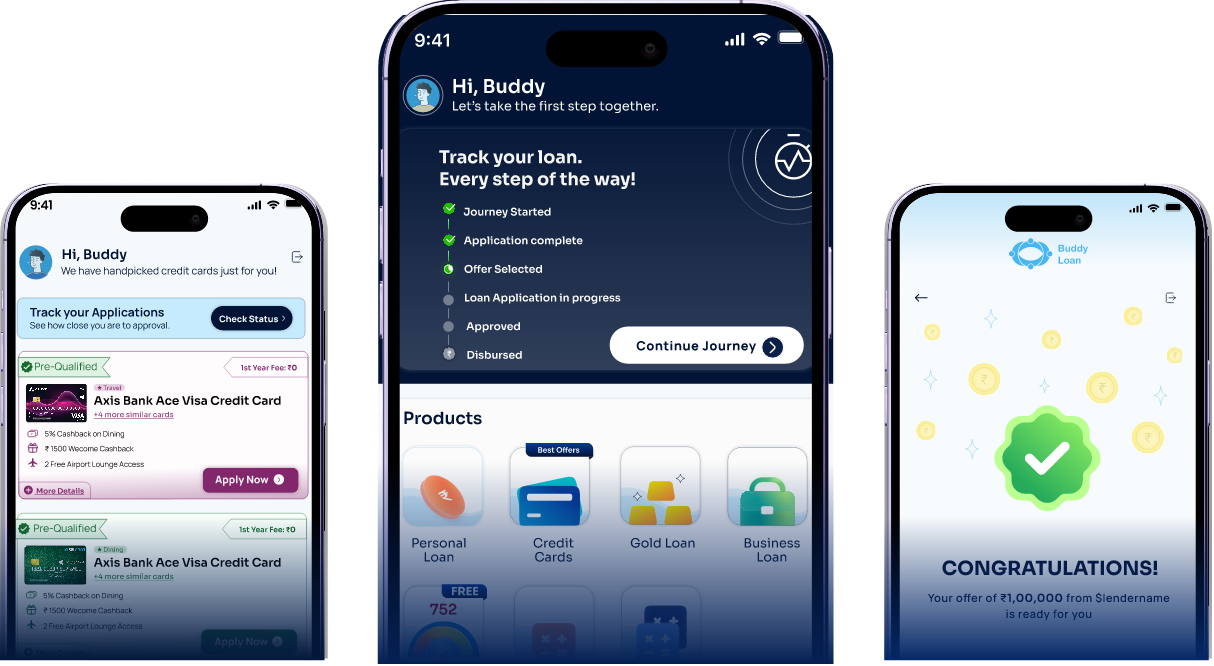
Download the Buddy Loan App Now!
One solution to each of your financial needs at your fingertip.

Scan to download now