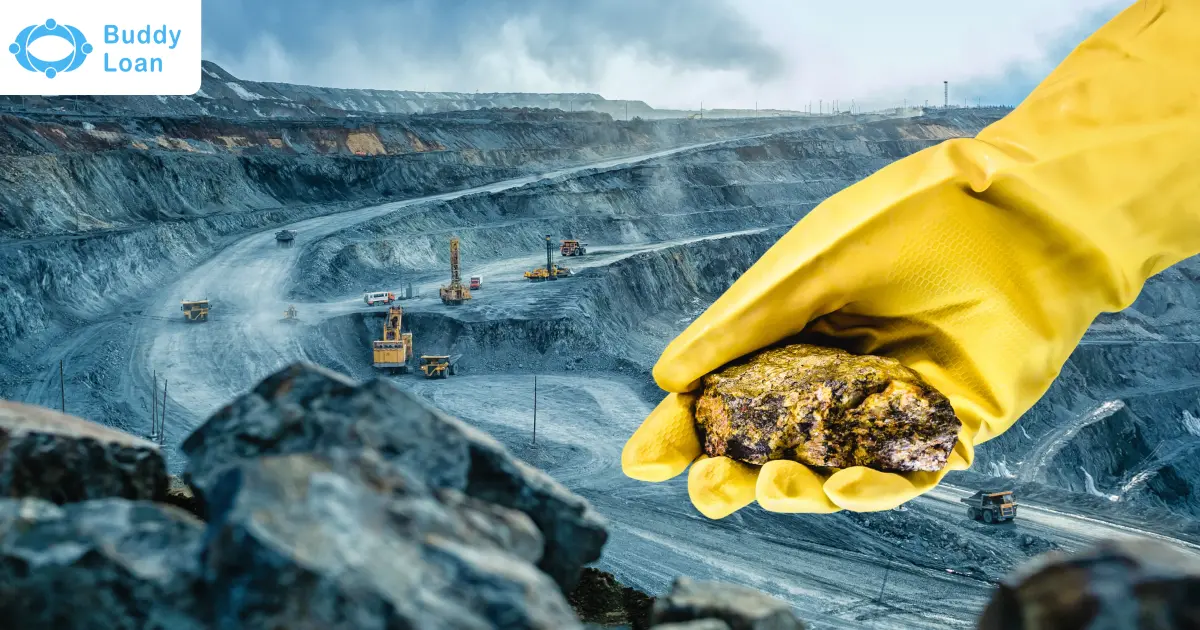
If oil was the currency of the 20th century, uranium reserves are the collateral of the 21st. As the world scrambles to meet Net Zero targets, the narrative around nuclear energy has shifted from “dangerous” to “indispensable”. Solar and wind are great, but they cannot provide the 24/7 baseload power required to run AI data centres and heavy industry. Only nuclear can do that without carbon emissions.
For the investors, this creates a massive asymmetry. The demand for uranium is projected to double by 2040, yet the supply is concentrated in a handful of nations. Understanding countries with the highest uranium reserves can become more than a geography lesson: a map of future geopolitical leverage.
Here is the breakdown of who holds the fuel for the next industrial revolution.
Global Ranking of Uranium Reserves by Country
While production numbers fluctuate based on price, uranium reserves represent the long-term potential. This table ranks nations by their identified recoverable resources.
| Rank | Country | Uranium Reserves (Tonnes) | Share of Global Total | Key Insight |
| 1 | Australia | ~1,692,000 | 28% | Holds the world’s largest deposit (Olympic Dam), but mining is slow due to strict regulations. |
| 2 | Kazakhstan | ~815,000 | 13% | The “Saudi Arabia of Uranium”: the lowest-cost producer using In-Situ Recovery (ISR) methods. |
| 3 | Canada | ~588,000 | 10% | Home to the Athabasca Basin; possesses the highest-grade uranium ore on the planet. |
| 4 | Russia | ~480,000 | 8% | Strategic reserves controlled by Rosatom are heavily focused on enrichment rather than just raw mining. |
| 5 | Namibia | ~470,000 | 8% | The rising star of Africa hosts the massive Husab and Rössing mines. |
| 6 | South Africa | ~320,000 | 5% | Mostly found as a by-product in gold mines; extraction is costly due to depth. |
| 7 | Brazil | ~276,000 | 5% | The domestic industry is state-controlled and largely undeveloped relative to its potential. |
| 8 | Niger | ~275,000 | 4% | A historic supplier to France, geopolitical instability has recently threatened supply chains. |
| 9 | China | ~224,000 | 4% | Aggressively exploring domestic sources to feed its massive reactor construction pipeline. |
| 10 | Mongolia | ~145,000 | 2% | Joint ventures with French and Russian firms are unlocking these reserves. |
| 11 | Uzbekistan | ~130,000 | 2% | A top 5 producer globally, despite having smaller reserves than Australia. |
| 12 | Ukraine | ~110,000 | 2% | Significant European reserves, but development is stalled due to the ongoing conflict. |
| 13 | Botswana | ~87,000 | 1.5% | Large deposits like Letlhakane exist but require higher uranium prices to be economic. |
| 14 | Tanzania | ~58,000 | 1% | The Mkuju River project shows promise but is still in development stages. |
| 15 | USA | ~47,000 | <1% | Reserves are depleted; heavily reliant on imports despite strategic intent to revive mining. |

Why Australia Holds the Largest Uranium Reserves
Australia is the undisputed king of uranium reserves, holding nearly one-third of the global total. However, there is a catch. Ideally, having the most reserves should make you the biggest producer, but Australia ranks only 4th in production.
- The Olympic Dam Factor: The majority of Australia’s uranium is trapped in one massive site: Olympic Dam in South Australia, owned by BHP.
- The Complexity: This is primarily a copper mine. Uranium is extracted as a by-product. This means uranium output is often dictated by the copper market, not the uranium market.
- Political Hurdles: Mining policies vary by state. While South Australia and the Northern Territory allow it, Western Australia and Queensland have historically had bans or strict limits on new uranium projects.
Kazakhstan Dominates Global Uranium Production
If Australia is the bank vault, Kazakhstan is the ATM. It may rank #2 in reserves, but it is #1 in production, supplying over 40% of the world’s uranium.
- The ISR Advantage: Kazakhstan uses In-Situ Recovery (ISR). Instead of digging open pits, they inject a solution into the ground that dissolves the uranium and pumps it back up.
- Cost Efficiency: This method is significantly cheaper and environmentally less invasive than traditional mining. This allows Kazakhstan to remain profitable even when uranium prices drop.
- State Control: The state-owned enterprise, Kazatomprom, is the world’s largest uranium-producing company.
Canada Has the Highest Grade Uranium Ore
Canada is the premium player. The Athabasca Basin in Saskatchewan is a geological anomaly. The uranium “grade” (concentration) here is 100x higher than the global average.
- Cigar Lake & McArthur River: These two mines alone produce enough energy to power millions of homes. Because the ore is so radioactive, mining is done by remote-controlled robots to protect workers.
- Strategic Reliability: For Western investors, Canada offers the perfect mix: massive high-grade reserves and a stable, NATO-aligned jurisdiction.
The Role of Uranium in Future Energy Markets
Why is the market suddenly obsessed with uranium reserves? The answer lies in “Energy Density.”One uranium fuel pellet (the size of a fingertip) contains as much energy as:
- 17,000 cubic feet of natural gas
- 149 gallons of oil
- 1 ton of coal
Also Read: Highest Gold Producing Country | Largest Silver Producers in the World
The SMR Revolution:
The future isn’t just massive cooling towers. Companies are developing Small Modular Reactors (SMRs). These are factory-built, portable nuclear reactors that can power remote mines, desalination plants, or data centres. SMRs require a steady, secure supply of uranium, placing a premium on nations with stable reserves.

Investment Options in the Uranium Sector
Investing in uranium is volatile. The market is small and moves violently. Here are the primary vehicles for exposure:
1. Uranium Mining Stocks
Buying shares in the companies that own the reserves.
- The Blue Chips: Cameco (Canada) and Kazatomprom (Kazakhstan). These are the “majors” that control the bulk of supply.
- The Developers: Companies like NexGen Energy or Denison Mines that are developing the next generation of Canadian mines. High risk, high reward.
2. Physical Uranium Trusts
- Sprott Physical Uranium Trust: This fund buys actual physical uranium (yellowcake) and stores it. It takes supply off the market, theoretically driving up the price.
- Utility: This is the purest play on the uranium spot price without the operational risks of mining (strikes, floods, etc.).
3. Uranium ETFs
- URA (Global X Uranium ETF): A basket of miners and producers.
- URNM (Sprott Uranium Miners ETF): Focuses more on pure-play miners.
- Insight: ETFs offer diversification. If one mine floods, the whole portfolio doesn’t collapse.
If you are looking to invest but are short on funds, try a personal loan to cover the difference. This way, you wouldn’t miss out on the investment window and can manage your repayments later. Do not forget to use an EMI calculator to manage your payments.
Summary
The map of countries with the highest uranium reserves is a blueprint for energy security in the 2030s. While Australia holds the long-term potential, Kazakhstan dominates the current flow, and Canada offers the highest quality. For the investor, the thesis is simple: The world demands clean, baseload power. Nuclear is the only scalable solution. Therefore, the countries (and companies) controlling the uranium deposits are sitting on the most strategic commodity of the next decade.

Download the Buddy Loan App Now!
One solution to each of your financial needs at your fingertip.

Scan to download now