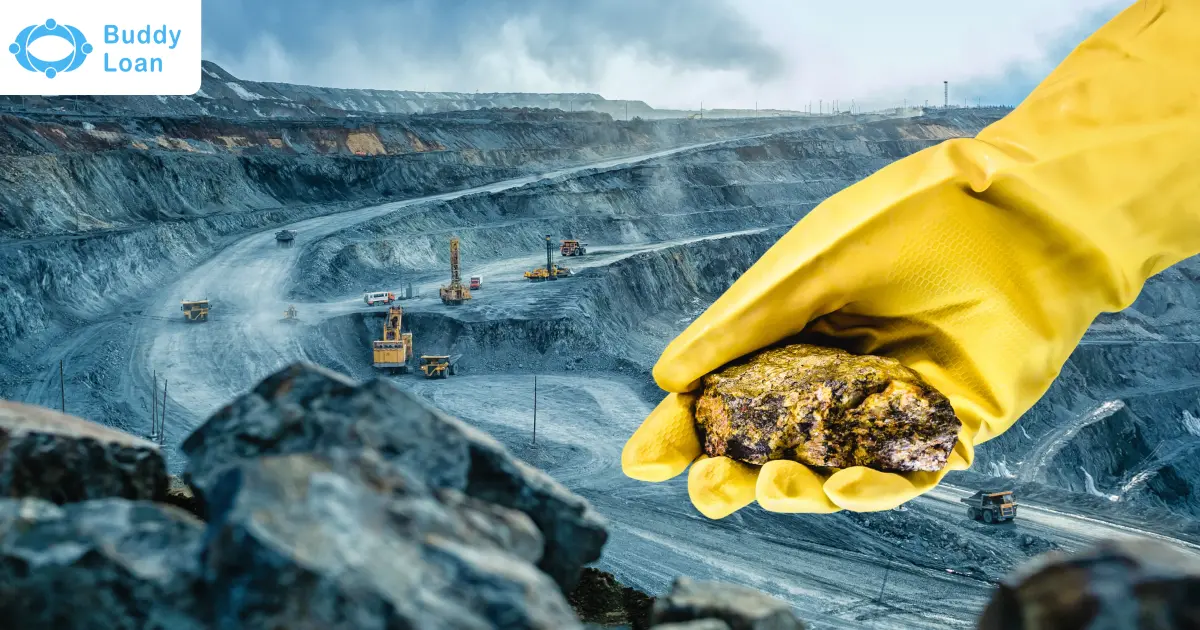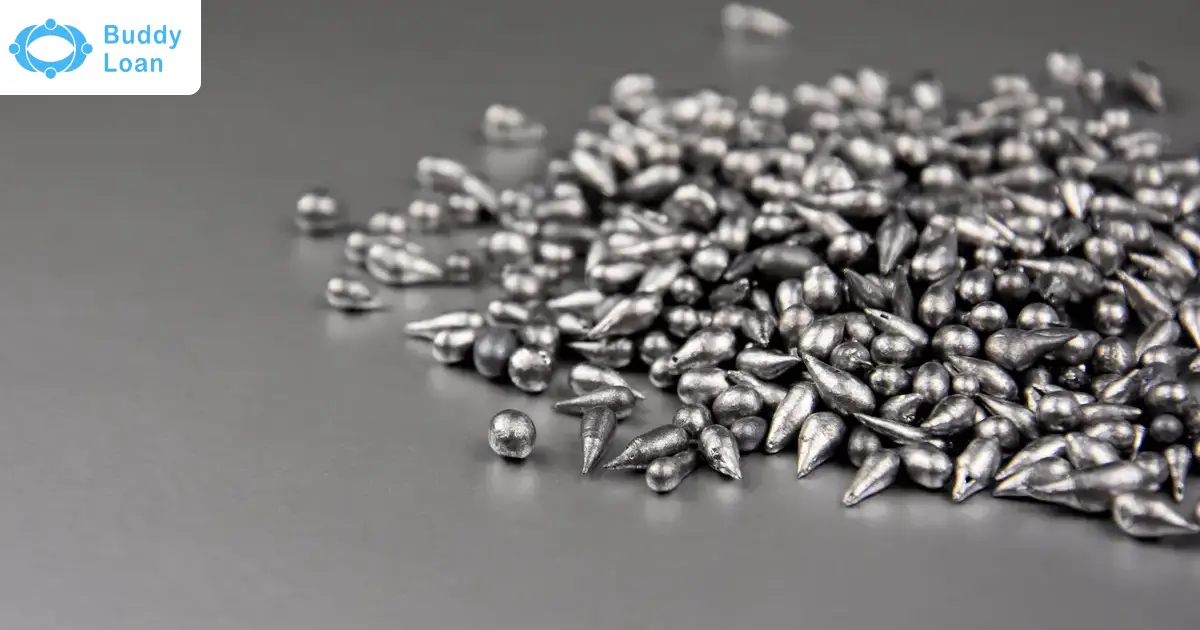
Lead often gets overlooked in conversations about strategic metals. Yet it remains essential to global industry, powering everything from power grids and infrastructure to battery systems and medical shielding. In 2025, lead production continues to be a vital part of the base metals landscape, underpinned by both long‑established mining centers and dynamic new operations.
Top 10 Lead Producing Countries
The nations below lead global production based on the latest available 2024 and early 2025 data. These figures reflect mined and concentrated lead production, capturing the broader contribution of national mining sectors.
| Rank | Country | Estimated Production (tonnes) |
| 1 | China | 1,900,000 |
| 2 | Australia | 430,000 |
| 3 | United States | 300,000 |
| 4 | Peru | 270,000 |
| 5 | India | 220,000 |
| 6 | Russia | 220,000 |
| 7 | Mexico | 180,000 |
| 8 | Turkey | 70,000 |
| 9 | Sweden | 70,000 |
| 10 | Iran | 60,000 |
These countries together account for the vast majority of the global lead supply, serving key regional and international industrial markets.

Global Snapshot: Leading Lead Mines
While national figures show the scale of production, individual mines are where the metal is actually extracted and processed. Below is an overview of the 10 largest lead mines in 2023, setting the stage for 2025 projections.
| Rank | Mine Name | Location | Operator | 2023 Lead Output (kt) |
| 1 | Sindesar Khurd | India | Vedanta Resources | 102.1 |
| 2 | Cannington | Australia | South32 | 101.7 |
| 3 | Uchalinsk | Russia | UMMC | 99.2 |
| 4 | Mount Isa Zinc | Australia | Glencore | 96.7 |
| 5 | Red Dog | USA | Teck Resources | 90.7 |
| 6 | Zawar | India | Vedanta Resources | 62.6 |
| 7 | Peñasquito | Mexico | Newmont | 54.0 |
| 8 | Sweetwater | USA | The Renco Group (Doe Run) | 53.9 |
| 9 | San Cristobal | Bolivia | San Cristobal Mining | 51.9 |
| 10 | McArthur River | Australia | Glencore | 50.4 |
1. Sindesar Khurd (India) – Benchmark of Automation
Location: Rajasthan, India
Operator: Vedanta Resources
2023 Lead Output: ~102.1 kt
Sindesar Khurd tops the global list with robust output of refined lead. Its modern infrastructure leverages tele‑remote drilling, advanced mill automation, and real‑time data analytics. The mine also uses tailings management and water recycling systems to reduce environmental footprint while maximizing output. Sindesar Khurd is a prime example of how technology and scale can create production leaders from emerging markets.
2. Cannington (Australia) – High Production With Quality Grade
Location: Queensland, Australia
Operator: South32
2023 Lead Output: ~101.7 kt
A stalwart of the global base metals industry, Cannington is best known for its high‑grade lead and silver ore. While output has seen some moderation compared to earlier peaks, ongoing improvements in processing and logistics ensure it remains a top global producer.
3. Uchalinsk (Russia) – Stable Output in Challenging Terrain
Location: Ural Mountains, Russia
Operator: Ural Mining and Metallurgical Company (UMMC)
2023 Lead Output: ~99.2 kt
Uchalinsk has been a reliable producer for decades. Despite its remote location, effective logistical coordination and established processing facilities allow it to maintain production levels while meeting domestic and export demand.
4. Mount Isa Zinc (Australia) – Dual Commodity Strength
Location: Queensland, Australia
Operator: Glencore
2023 Lead Output: ~96.7 kt
Mount Isa Zinc, while known for its zinc output, also contributes significant lead volumes. Its integration with Glencore’s broader mineral processing ecosystem ensures consistent output and reliability.

5. Red Dog (USA) – Remote Spartan Logistics
Location: Arctic Alaska, USA
Operator: Teck Resources
2023 Lead Output: ~90.7 kt
Red Dog is unique for its location within the Arctic Circle, requiring specialized transport windows and logistics. Despite these challenges, the mine consistently supplies high‑quality lead concentrate, especially to Asian markets.
6. Zawar (India) – Well‑Established District Contributor
Location: Rajasthan, India
Operator: Vedanta Resources
2023 Lead Output: ~62.6 kt
Zawar’s operations complement Sindesar Khurd, representing a historical mining district that continues to yield lead, zinc, and associated metals. Vedanta continues to invest in modernization and blending circuits to enhance production.
7. Peñasquito (Mexico) – Large Scale but Variable Output
Location: Zacatecas, Mexico
Operator: Newmont
2023 Lead Output: ~54.0 kt
Peñasquito is an important polymetallic lead producer, though its 2023 production was impacted by a prolonged labor strike that temporarily halted operations. However, its resource base remains one of the deepest and most productive in Mexico.
8. Sweetwater (USA) – Historic Missouri Lead Belt
Location: Missouri, USA
Operator: The Renco Group (Doe Run)
2023 Lead Output: ~53.9 kt
Sweetwater operates within the famed Missouri Lead Belt, a historic and prolific mining region. Doe Run’s operations include integrated smelting facilities that allow for local value addition and reduced supply chain friction.
9. San Cristobal (Bolivia) – Latin America’s Open‑Pit Powerhouse
Location: Potosí Department, Bolivia
Operator: San Cristobal Mining
2023 Lead Output: ~51.9 kt
San Cristobal is an open‑pit polymetallic producer in South America. It blends silver, zinc, and lead extraction on a large scale, contributing to regional economic development while supplying multiple industrial markets.
10. McArthur River (Australia) – Exporter to Europe and Asia
Location: Northern Territory, Australia
Operator: Glencore
2023 Lead Output: ~50.4 kt
This Glencore asset focuses on both zinc and lead production. Concentrates from McArthur River are exported widely, especially into Asian and European smelters, reinforcing Australia’s role as a global metals supply hub.
Why the Global Lead Market Matters
Despite being a “traditional” metal, lead is central to:
- Uninterruptible Power Supplies (UPS) that protect servers, data centers, and AI cloud infrastructure
- Radiation shielding in healthcare and industrial facilities
- Battery systems for microgrids, telecom towers, and backup power
- Construction and corrosion‑resistant applications
This wide applicability ensures that lead continues to be a key part of the metals ecosystem in the 2020s.
Emerging Industry Trends on Lead
As the global lead industry modernizes, it is undergoing a major transformation driven by technology, sustainability, and responsible sourcing. Here are the key trends shaping its future in 2025 and beyond:
- Automation and AI Integration: Mining companies are leveraging autonomous drills, AI‑enabled predictive maintenance, and digital twin simulations to reduce downtime and enhance safety.
- Sustainability Initiatives: Environmental monitoring, carbon accounting, and water stewardship are becoming part of responsible mining practices globally.
- Circular Economy & Recycling: Lead recycling from automotive and industrial batteries remains one of the most advanced closed‑loop models in the metals sector.
- Traceability and Ethical Sourcing: Blockchain and satellite‑based tracking are being used to ensure responsible sourcing and supply chain transparency.
Also Read: Country with Largest Thorium Reserves | Largest Zinc Producing Coumpanies
Conclusion
While China remains the dominant lead producer at the country level, individual mines in India, Australia, and North America are pushing the envelope in terms of technology, output, and sustainability. Whether it’s the automation success story at Sindesar Khurd or the integrated mining‑smelting model in Missouri’s Sweetwater, the world’s lead-producing landscape is both dynamic and foundational to global industry.
These top 10 lead producers and mines not only supply raw metal but also sustain critical infrastructure sectors that keep the modern world running smoothly in 2025 and beyond.

Download the Buddy Loan App Now!
One solution to each of your financial needs at your fingertip.

Scan to download now