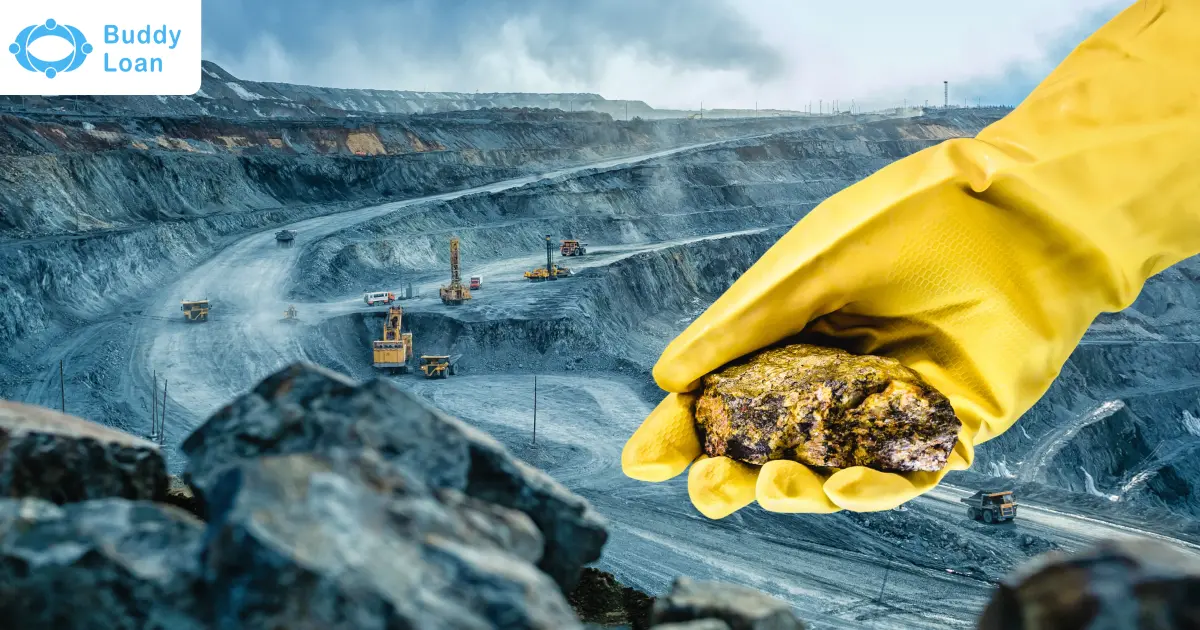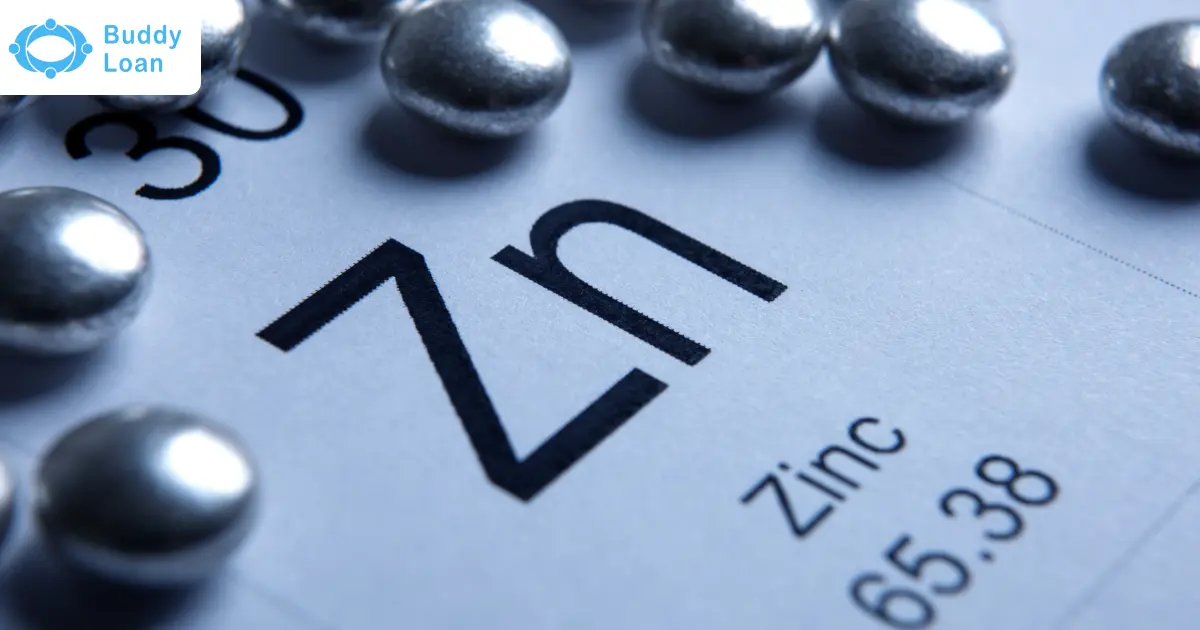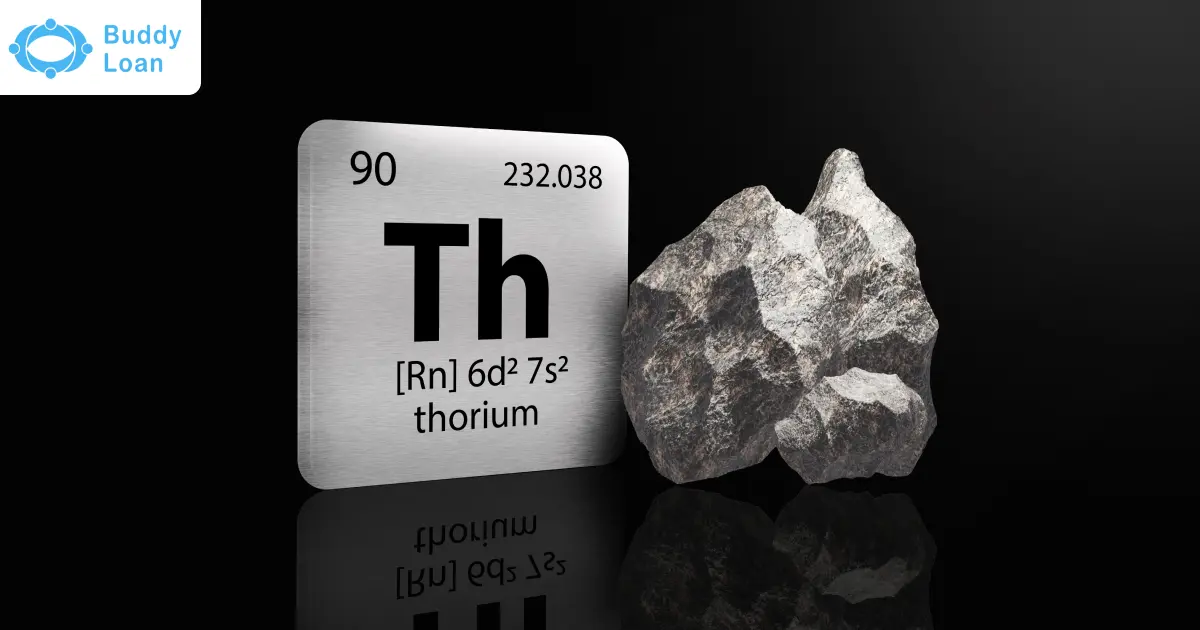
As nations worldwide race toward cleaner, more sustainable sources of energy, thorium is gaining serious attention. Although long overshadowed by uranium, thorium presents an untapped opportunity, one that is three to four times more abundant in Earth’s crust and potentially safer for nuclear energy applications. Yet, most thorium remains unused, largely because the world hasn’t seriously pursued its vast potential until now.
With total global thorium resources estimated between 6.2 million and 14.6 million metric tons, it’s time to explore which countries hold the keys to this future energy source and what this means for global energy security, geopolitics, and sustainability.
Understanding Thorium Resources vs. Reserves
Before we examine where thorium lies, let’s clarify two crucial terms:
- Resources include the total amount of thorium identified, regardless of current economic viability or technology.
- Reserves are the portion of resources that can be extracted and used today under existing technical and financial conditions.
Most thorium data today are classified as resources because commercial-scale thorium reactors are not yet widely deployed. As such, the figures primarily reflect estimated geological presence, not active mining potential.
Top 15 Countries with the Largest Thorium Resources
To better understand thorium’s place in the future of nuclear energy, it’s important to examine where this potential fuel is concentrated. The table below highlights the countries and regions with the largest thorium resources, showcasing the global distribution of this element based on current geological data and assessments.
Top Countries by Estimated Thorium Resources
| Rank | Country / Bloc | Estimated Thorium Resources (Tonnes) | Notes |
| 1 | CIS (Collective) | 1,500,000 | Includes Kazakhstan, Uzbekistan, Armenia, etc. |
| 2 | India | 846,477 | Mainly in monazite sands along coastal states |
| 3 | Brazil | 632,000 | Coastal sands and inland reserves |
| 4 | United States | 595,000 | Spread across multiple states |
| 5 | Australia | 595,000 | Mostly as a byproduct of rare earth mining |
| 6 | Egypt | 380,000 | Mediterranean coast mineral sands |
| 7 | Turkey | 374,000 – 381,000 | Strategic energy interest |
| 8 | Venezuela | 300,000 | Potential underdeveloped reserves |
| 9 | China | 100,000 – 300,000 | Actively researching thorium reactors |
| 10 | South Africa | 148,000 | Thorium is associated with uranium deposits |
| 11 | Norway | 87,000 | Focused on renewable and nuclear diversification |
| 12 | Greenland (Denmark) | 86,000 (up to 684,000 estimated) | Exploration still ongoing |
| 13 | Russia (Asian territory) | 55,000 | Additional reserves possibly included in CIS total |
| 14 | Vietnam | 5,000 | Limited data, future potential |
| 15 | South Korea | 6,000 | Small reserves, active nuclear R&D |
This distribution shows that while thorium is present in over 35 countries, the lion’s share lies with India, the CIS bloc, and Brazil. These nations hold a strategic advantage in a world increasingly focused on clean energy transitions. As technology matures, these reserves could be the foundation for thorium-based nuclear reactors, offering energy solutions that are cleaner, safer, and more abundant than traditional uranium-based systems.

1. CIS (Collective): Leading by Collective Strength
- Estimated Resources: ~1,500,000 tonnes
- Includes countries such as Kazakhstan, Uzbekistan, Armenia, Belarus, Kyrgyzstan, Moldova, and others.
- This collective holds the largest aggregated thorium inventory in the world.
- Within the bloc, Kazakhstan and Uzbekistan are particularly rich in mineral deposits, including thorium‑bearing sands and rock formations.
The strategic value lies in the combined potential of multiple nations working in concert or independently on advanced nuclear research.
2. India: The Largest Individual National Reserve
- Estimated Resources: 846,477 tonnes
- India’s thorium endowment is primarily located in monazite sands along coastal states such as Kerala, Tamil Nadu, and Odisha.
- The country has actively pursued thorium research through its three‑stage nuclear program, viewing thorium as a pathway to long‑term energy security.
India’s resource base makes it the single largest thorium reserve holder outside collective statistics.
3. Brazil: South America’s Thorium Titan
- Estimated Resources: 632,000 tonnes
- Thorium in Brazil is commonly found in coastal heavy mineral sands, especially along the southeast coastline.
- The nation’s geological setting provides substantial deposits that could support future nuclear fuel cycles.
- Brazil has the industrial capacity for mineral extraction and processing, giving it the potential to grow as a thorium supplier.
4. United States: A Western Reserve Power
- Estimated Resources: 595,000 tonnes
- Thorium deposits in the U.S. are widely dispersed, with occurrences reported in states like Idaho, Colorado, and the Carolinas.
- Although not currently mined on a commercial scale, these resources position the U.S. as a key potential supplier if thorium reactors become commercially viable.
- The country’s research institutions and technological base make it favorable for future thorium innovation.
5. Australia: Rich Minerals and Strategic Possibilities
- Estimated Resources: 595,000 tonnes
- Australia’s thorium is often a byproduct of rare earth mining, especially in Western Australia.
- With strong mining governance and an established export infrastructure, the country is well‑placed to develop future thorium ventures.
- Its resources are large enough to support both domestic research and export needs.

6. Egypt: North African Contributor
- Estimated Resources: 380,000 tonnes
- Egypt’s thorium is found in heavy mineral sands and is part of the broader mineral wealth of North Africa.
- This reserve level places Egypt among the top ten countries globally, giving it influence in future resource development.
- Its strategic position along the Mediterranean could support energy partnerships.
7. Turkey: Strategic Bridge Between Continents
- Estimated Resources: 374,000 to 381,000 tonnes
- Spread across various geological formations, Turkey’s thorium resources support its ambitions for diversified energy sources.
- As a nation that straddles both Europe and Asia, Turkey’s resource base complements its broader goals for energy and economic growth.
8. Venezuela: Underexplored Potential
- Estimated Resources: ~300,000 tonnes
- Venezuela’s thorium reserves are significant, though they remain largely underdeveloped due to economic and infrastructure challenges.
- If properly harnessed, these resources could play a role in future energy strategies and help diversify national resource exports.
9. China: Emerging Asian Reserve Holder
- Estimated Resources: 100,000 to 300,000 tonnes
- China’s thorium reserves are smaller than some leaders, but its research focus on thorium reactors, especially Molten Salt Reactors (MSRs), makes it a key player.
- Thorium research in China is part of a broader strategy to reduce reliance on traditional nuclear fuels and fossil fuels alike.
10. South Africa: Africa’s Second Thorium Source
- Estimated Resources: 148,000 tonnes
- Often associated with uranium and rare earth deposits, thorium in South Africa benefits from the country’s well‑established mining industry.
- Expansion of thorium extraction could integrate with existing mineral supply chains.
11. Norway: Europe’s Thorium Participant
- Estimated Resources: 87,000 tonnes
- Norway’s deposits are located in igneous and coastal complexes.
- The nation’s clean energy credentials and interest in low‑carbon technologies make thorium an appealing future resource.
12. Greenland (Denmark): The Arctic Frontier
- Estimated Resources: ~86,000 tonnes (potentially much more)
- Thorium in Greenland is still under active geological exploration, with estimates suggesting the total could be significantly higher.
- If further surveys confirm larger deposits, Greenland could emerge as a major thorium contributor.
13. Russia (Asian Territory): Part of a Larger Story
- Estimated Resources: ~55,000 tonnes
- This figure represents thorium in Russia’s Asian sector, with additional holdings wrapped into broader regional estimates.
- Russia’s long nuclear history and industrial expertise could support future thorium pathways.
14. South Korea: Small Resources, Strong R&D Base
- Estimated Resources: ~6,000 tonnes
- Although limited in thorium quantity, South Korea has major technological investment in nuclear research.
The country’s advanced reactor research infrastructure positions it to contribute meaningfully to thorium technology even with smaller reserves.
15. Vietnam: Southeast Asia’s Entry
- Estimated Resources: ~5,000 tonnes
- Vietnam’s thorium holdings are modest, but they add to the global diversity of reserves.
- With growing interest in nuclear science and energy independence, these resources could support future regional research collaborations.
Beyond the Top 15: Smaller Thorium Holders
Several additional countries around the world have measurable thorium resources, though in smaller quantities. For example:
- Canada has about 172,000 tonnes.
- Iran and Morocco are each estimated near 30,000 tonnes.
- Madagascar, Nigeria, and Malaysia each report tens of thousands of tonnes.
Nations with even smaller amounts include Argentina, Uruguay, and Sri Lanka, each in the low thousands.
Why Thorium Matters for the Future
Thorium offers compelling advantages:
- More abundant and widely distributed than uranium
- Higher energy yield per ton
- Lower risk of weapons-grade byproducts
- Generates less long-lived radioactive waste
- Enables inherently safer reactor designs, especially MSRs
Yet, adoption remains slow due to a lack of infrastructure, limited commercial experience, and a uranium-centric global energy market.
Also Read: Country with Largest Crude Oil | Country with Largest Gold Reserves | Country with Largest Silver
Conclusion
The countries with the largest thorium reserves, from India and Brazil to the CIS bloc and Australia, stand poised at the edge of a major energy shift. As the world seeks cleaner, safer, and more abundant energy sources, thorium’s promise shines brighter.
Though commercial thorium reactors are still in development, the global distribution of this element highlights a broad, inclusive opportunity for nations to become leaders in the next generation of nuclear power. The world may soon awaken the full potential of this silent giant.

Download the Buddy Loan App Now!
One solution to each of your financial needs at your fingertip.

Scan to download now