In the age of electrification, clean energy, and rapid digital expansion, copper has become one of the most crucial elements of the global economy. Known as “the red metal”, copper is the backbone of technologies ranging from electric vehicles and wind turbines to smart grids and high-speed internet. As global demand rises, only a few countries are capable of producing copper at scale, and 2025 is expected to be a defining year for these nations.
This blog offers a comprehensive overview of the top 10 copper-producing countries in 2025, highlighting their significant contributions to global progress and the reshaping of the world’s resource map.
Why Copper Matters More Than Ever
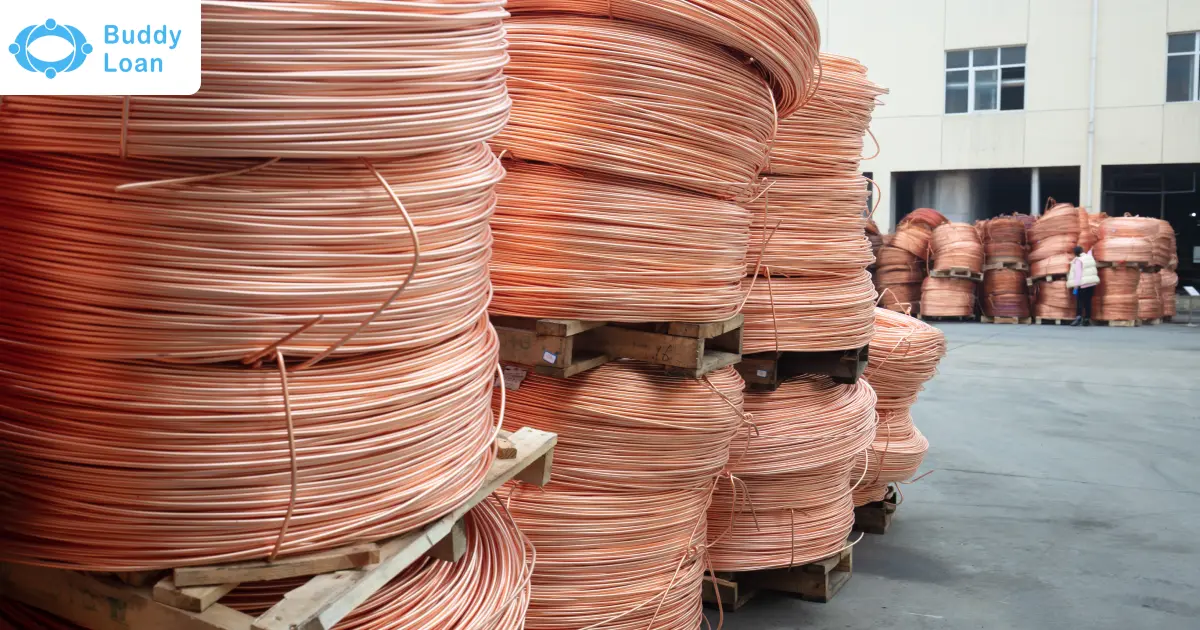
Copper is no longer just a building material; it’s a strategic asset. With superior conductivity, recyclability, and corrosion resistance, copper is critical for the transition toward sustainable energy. From electric vehicles (EVs) to 5G networks, renewable energy projects, and even military systems, copper is embedded in modern life.
As global demand is expected to double by 2040, understanding who controls supply is essential for energy security and economic planning.
Global Leaders: Top 10 Copper Producing Countries in 2025
Here’s a breakdown of the top 10 copper-producing countries in 2025, showcasing their output and share in meeting soaring global demand for this essential industrial metal:
| Rank | Country | Production (Million Metric Tons) | Global Share |
| 1 | Chile | 6.0 | 28% |
| 2 | Democratic Republic of Congo | 3.3 | 11% |
| 3 | Peru | 2.6 | 10% |
| 4 | China | 1.8 | 8% |
| 5 | United States | 1.2 | 5% |
| 6 | Australia | 0.9 | 4% |
| 7 | Russia | 0.88 | 4% |
| 8 | Zambia | 0.82 | 3.7% |
| 9 | Indonesia | 0.72 | 3.3% |
| 10 | Mexico | 0.68 | 3% |

1. Chile: The Copper Superpower
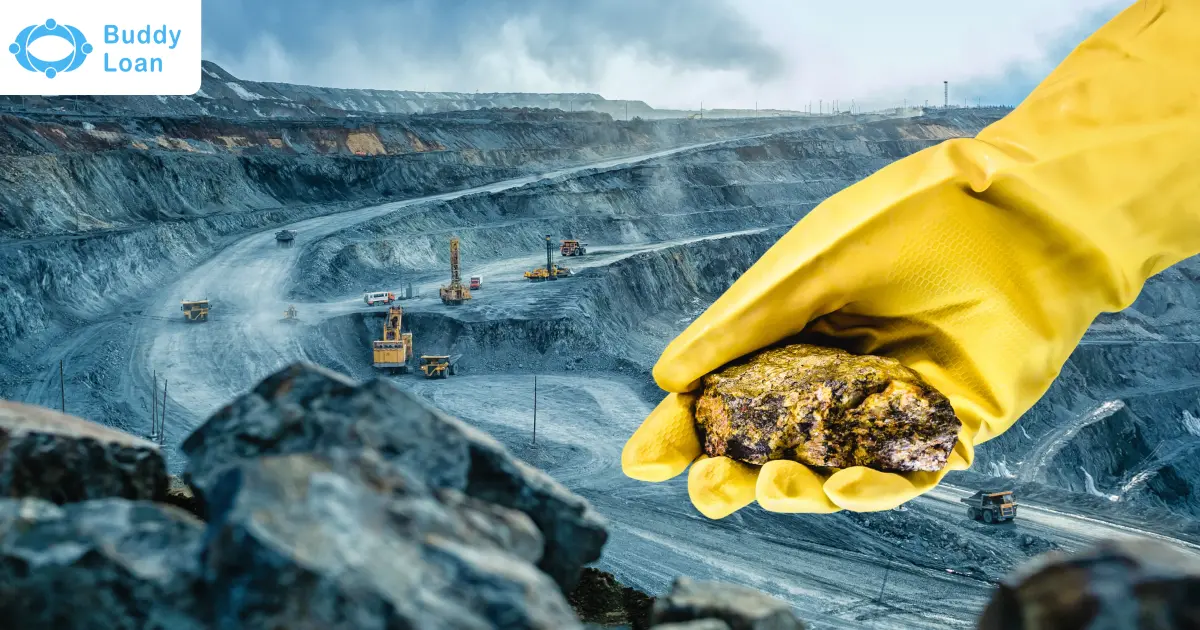
Chile remains the world’s largest copper producer in 2025, contributing 28% of the global output. With mines like Escondida (the world’s largest), Chuquicamata, and El Teniente, Chile has unmatched mineral wealth and cutting-edge mining infrastructure.
Chile’s stable legal framework and openness to foreign investment make it a magnet for international mining firms. With water recycling technologies, solar-powered operations, and AI monitoring systems, Chile leads not just in volume but also in sustainable mining.
2. Democratic Republic of Congo (DRC): The Fast Riser
The DRC has surged to second place with 3.3 MMT of copper production in 2025, thanks to mega-projects like Kamoa-Kakula. This mine is one of the world’s highest-grade copper deposits, and joint ventures with China have enabled large-scale extraction.
Despite political instability and infrastructure gaps, the DRC is rapidly becoming indispensable to the global copper supply chain.
3. Peru: The Andean Workhorse
Producing 2.6 MMT, Peru ranks third. Its mining sector is anchored by high-output mines like Antamina, Cerro Verde, and Las Bambas. Peru’s geography, nestled in the mineral-rich Andes, provides it with significant deposits.
However, community protests and social unrest occasionally disrupt production, highlighting the tension between resource extraction and local rights.
4. China: Dual Role as Producer and Top Consumer
China, with 1.8 MMT of output, is both a major producer and the world’s largest copper consumer. Mines in Tibet and Yunnan support domestic needs, but China still imports significant quantities to feed its EV production, solar panel manufacturing, and infrastructure expansion.
China is also investing heavily in overseas copper mines, including in Africa and Latin America.
5. United States: Supply Chain Resilience in Focus
At 1.2 MMT, the U.S. remains a key copper producer, with operations concentrated in Arizona (home to the Morenci and Resolution mines). Growing concerns about reliance on foreign sources have prompted federal support for domestic exploration.
The U.S. is also modernizing its mining sector through automation and sustainable practices to align with ESG goals.
6. Australia: Sustainable and Stable
Australia produces 0.9 MMT and ranks sixth. Its top mines, Olympic Dam and Prominent Hill, are expanding amid strong global demand. Australia’s environmental standards, political stability, and strategic location in the Indo-Pacific make it a reliable supplier.
With a focus on green energy exports, Australia is aligning its copper sector with long-term sustainability goals.
7. Russia: Rich But Isolated
Despite producing 0.88 MMT, Russia’s copper exports are challenged by geopolitical tensions and sanctions. Still, mines in Siberia and the Ural Mountains continue to supply China and domestic industries.
Russia is focusing on self-sufficiency and expanding cooperation with non-Western partners for resource development.

8. Zambia: Africa’s Veteran Producer
Zambia has long been a copper exporter, contributing 0.82 MMT in 2025. Its Copperbelt region, shared with the DRC, is among the richest in the world. However, Zambia faces challenges like high energy costs and outdated infrastructure.
New policies and debt restructuring efforts aim to revive foreign investor confidence.
9. Indonesia: A Copper-Gold Giant
With 0.72 MMT in output, Indonesia’s copper industry is centered around the Grasberg mine, one of the world’s largest. Operated by Freeport-McMoRan, this mine has transitioned from open-pit to underground operations, boosting long-term output.
Indonesia is also focusing on downstream processing to capture more value locally, especially for the EV battery supply chain.
10. Mexico: Copper in the Shadow of Silver
Producing 0.68 MMT, Mexico rounds out the top 10. Grupo México is the dominant player, managing Buenavista del Cobre and La Caridad mines. Mexico’s proximity to the U.S. makes it a key component of North American supply chains.
However, regulatory uncertainty and environmental concerns remain hurdles for further expansion.
Copper’s Role in the Global Economy
Copper has become a strategic cornerstone of the modern world, essential to clean energy, digital infrastructure, and national defense.
Green Energy Transformation
Copper is vital to the energy transition:
- EVs use up to 83 kg of copper, four times more than traditional vehicles.
- Wind turbines, solar panels, and charging stations depend heavily on copper wiring and components.
Digital Infrastructure and 5G
Copper remains key in:
- 5G rollout, smart grids, and data centers, despite growing fiber optic use.
- Powering the backbone of modern communication and smart technology networks.
Defense and Strategic Use
Used in missile systems, radar, and military electronics, copper is classified as a strategic metal critical to national security.
Also Read: Top Countries with Largest Gold Reserves | Biggest Silver Producers in the World
Strategic Outlook: The Future of Copper Production
The top 10 copper-producing countries now account for over 90% of global output. As the world electrifies, these nations hold significant geopolitical and economic leverage.
However, copper faces some challenges:
- Declining ore grades
- Environmental opposition
- Lengthy permitting processes
- Lack of discoveries
To meet future demand, producers must focus on sustainability, innovation, and partnerships.
Conclusion: Copper is the Metal of the Future
From Chile’s high-tech deserts to Indonesia’s jungle mines, the top 10 copper producers of 2025 are shaping a cleaner, smarter, and more connected world. As demand accelerates, these countries are not just exporting metal; they are powering the next industrial revolution.
Whether in electric cars or satellite systems, copper will remain a vital thread in the global economic fabric, and these ten nations are weaving the future.

Download the Buddy Loan App Now!
One solution to each of your financial needs at your fingertip.

Scan to download now