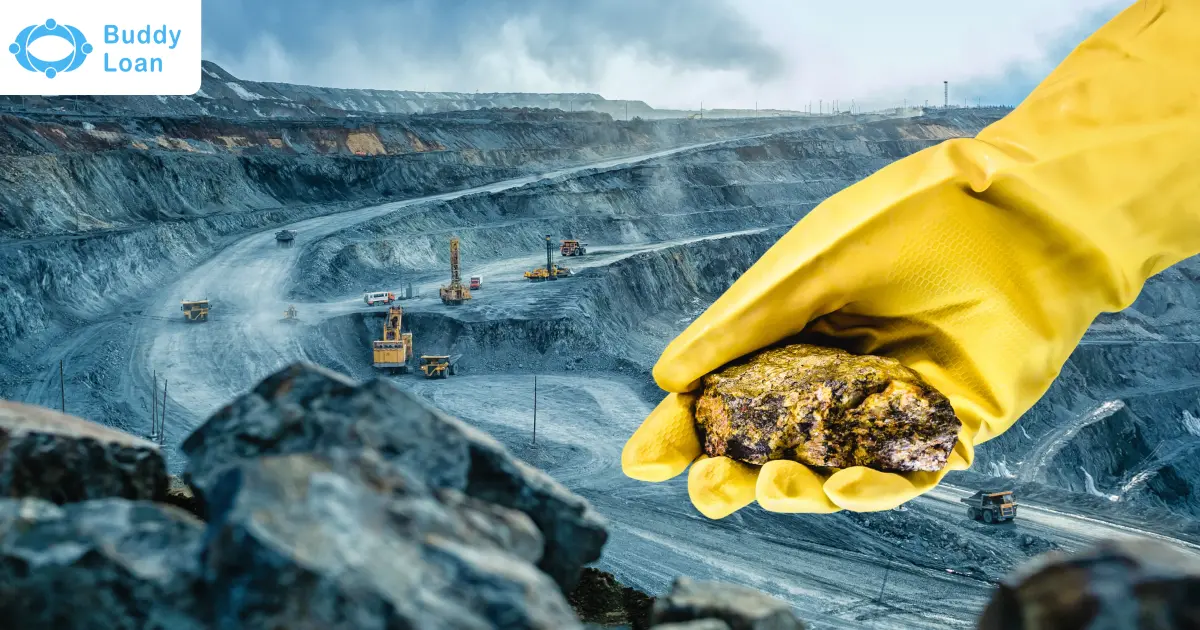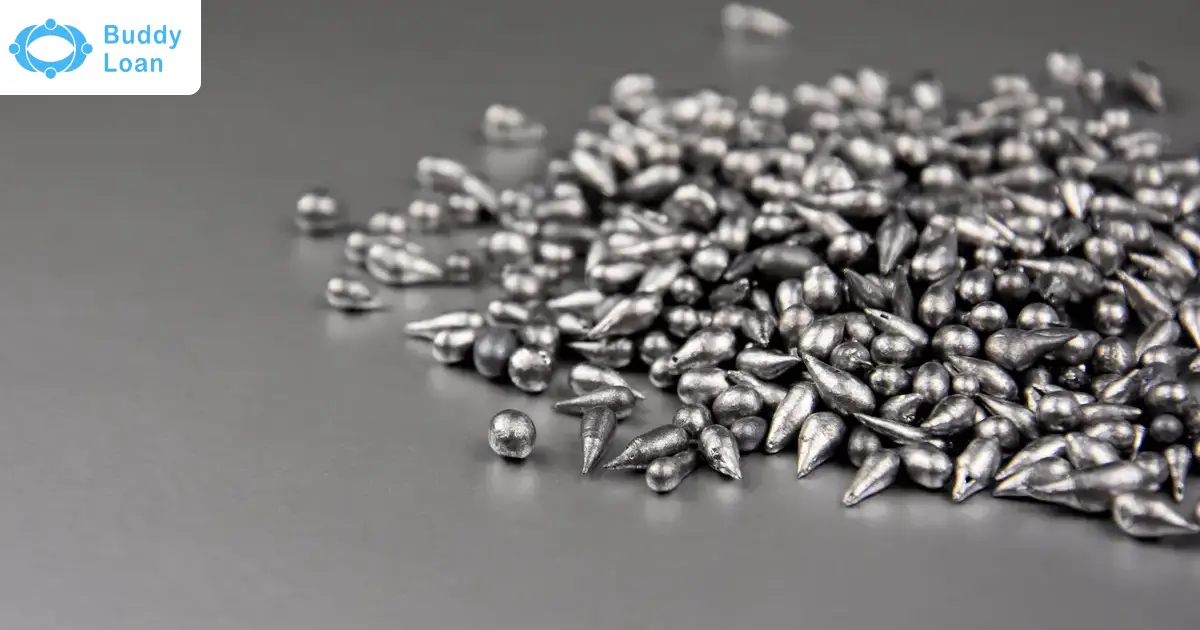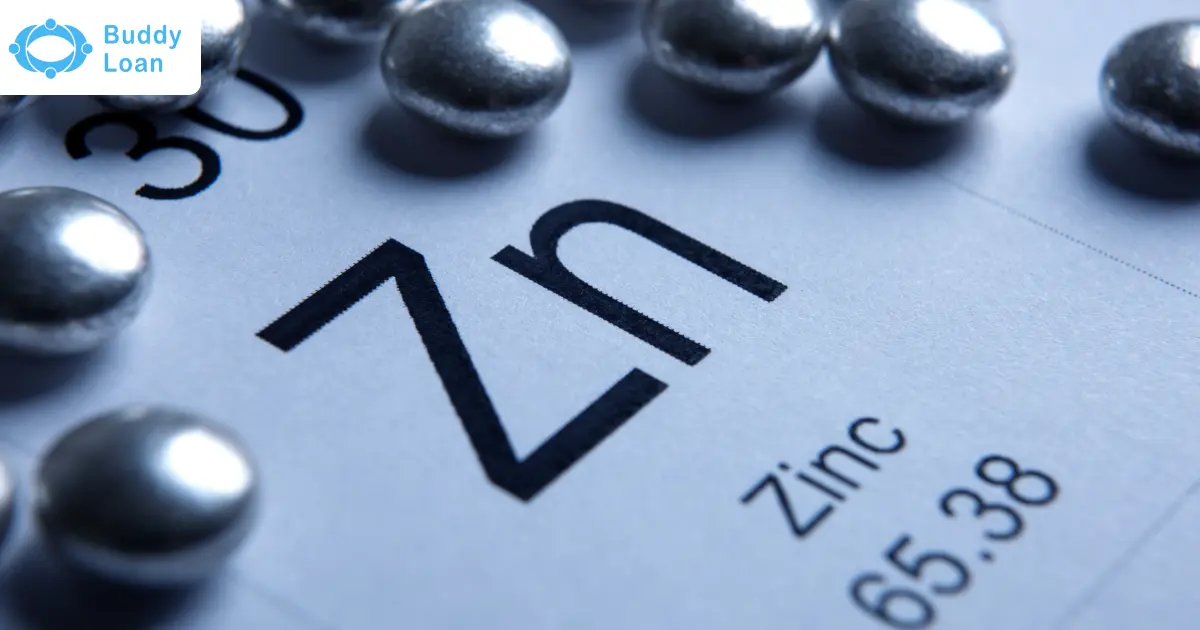
The global zinc market is in the midst of a transformative period, driven by surging demand, supply tightening, and strategic positioning among the world’s biggest miners. In the third quarter of 2025, the top zinc producers increased output by 12.3% year-over-year, with total production from major miners reaching approximately 1.4 million metric tons. Prices also climbed, averaging near $2,984.90 per metric ton, highlighting the commodity’s renewed relevance across infrastructure, automotive, renewable energy, and construction sectors.
Below is an in-depth look at the ten largest zinc-producing companies shaping global supply today, from integrated mining giants to emerging producers driving rapid growth.
Top 10 Largest Zinc Producing Companies in the World (2025)
The global zinc market is undergoing major shifts. In Q3 2025, the world’s top zinc producers ramped up production by 12.3% year-over-year, driven by rising prices that reached nearly $2,984.90/mt. The total output of the top 20 miners hit 1.4 million metric tons, highlighting a bullish zinc cycle amid infrastructure, automotive, and clean energy demand.
Here’s a comprehensive look at the top 10 zinc-producing companies, their production figures, key assets, and strategic advantages.
Zinc Giants at a Glance
| Rank | Company | Zinc Production (2024/2025) | Key Operations / Assets | Notable Strength |
| 1 | Hindustan Zinc | 1,095 kt (mined) | Rajasthan, India | Largest integrated producer |
| 2 | Glencore | 905 kt (own-sourced) | Kazzinc, Mount Isa | Vertical integration |
| 3 | Nexa Resources | 595 kt (metal & oxide) | Cajamarquilla, Peru | Smelting stability |
| 4 | Teck Resources | 256 kt (refined) | Red Dog, Trail Refinery | North American dominance |
| 5 | Volcan | 230.1 kt | Central Peru | Latin America focus |
| 6 | MMG Australia | 219.9 kt | Dugald River, Rosebery | Predictable supply |
| 7 | Boliden Group | 107.96 kt (Q3) | Odda, Zinkgruvan, Somincor | Green zinc focus |
| 8 | Ivanhoe Mines | 57.2 kt (Q3) | Kipushi Mine | Fastest growth rate |
| 9 | Zijin Mining Group | Top 5 globally | Global operations | Scale & diversity |
| 10 | Korea Zinc | N/A (Smelting expansion) | Tennessee (USA – upcoming) | Future smelting leader |

1. Hindustan Zinc (Vedanta): India’s Dominant Zinc Champion
Production: ~1,095 kt mined zinc metal (FY2025)
Primary Base: Rajasthan, India
Hindustan Zinc, a subsidiary of Vedanta Limited, is the world’s largest integrated zinc producer with outstanding output and refining capabilities.
Key strengths and strategic features:
- Record mined and refined metal volumes in FY2025.
- Fully integrated mine‑to‑metal production cycle, including smelting and refining.
- Progress on a 250 kilotonne smelter expansion to boost refining capacity.
- Strong cost position, enabling competitive performance even in volatile demand cycles.
Hindustan Zinc’s footprint in Rajasthan, one of the world’s richest zinc belts, gives it both resource depth and logistical advantage in Asian markets.
2. Glencore: Global Mining and Marketing Powerhouse
Production: ~905 kt own‑sourced zinc (2024)
Key Assets: Kazzinc (Kazakhstan), Mount Isa (Australia)
Glencore remains among the world’s most significant zinc producers thanks to its vertically integrated approach.
Reasons for influence:
- Owns and operates major zinc mining hubs in Eurasia and Australia.
- Blends concentrates with precise metallurgical strategies to maintain refined zinc output.
- Strong market positioning allows resilience through price cycles.
- Extensive logistics and trading operations improve customer reach and risk mitigation.
Glencore’s breadth of assets keeps it high on the global list even amid industry headwinds.
3. Nexa Resources: South American Zinc and Lead Specialist
Production: ~595 kt zinc metal & oxide (2024)
Primary Regions: Peru, Brazil (Cajamarquilla refinery)
Nexa Resources blends mining and smelting operations with a focus on operational efficiency and margin management.
Distinguishing factors:
- Focus on smelter stability and process optimization.
- Integration of recycled metal sources to improve economics.
- Continued improvement of feed flexibility at Cajamarquilla.
Nexa must navigate power cost volatility and labor relations, particularly in its South American heartland.
4. Teck Resources: North America’s Zinc Leader
Refined Zinc Production: ~256 kt (2024)
Strategic Assets: Red Dog Mine, Trail Metals Refinery (Canada, USA)
Teck is vital to North American zinc supply, linking excavation and refining.
Key aspects:
- The Red Dog mine is one of the largest zinc concentrate sources globally.
- The Trail refinery provides reliable refined metal production.
- Operational disruptions such as the 2024 fire tested capacity resilience.
Teck’s model underscores the value of mine‑to‑refinery coordination in global zinc supply.

5. Volcan: Peru’s Zinc Staple
Production: ~230.1 kt fine metric tonnes (2024)
Core Focus: Central Peru mining operations
Volcan continues to be one of the larger zinc producers despite a moderate annual downturn.
Operational highlights:
- Strong base metal production alongside zinc.
- Investments focused on stabilizing output after recent declines.
- Tailings and environmental governance are increasingly essential in local licensing.
Volcan’s production base remains a key component of Latin American zinc supply.
6. MMG Australia Limited: Rising Australian Producer
Production: ~219.9 kt zinc (2024)
Principal Sites: Dugald River, Rosebery
MMG’s Australian operations have shown improving performance trends that elevate its global standing.
Key strengths:
- Consistent monthly concentrate nominations for buyers.
- Operational improvements at Dugald River and Rosebery are boosting output.
- Proactive environmental and water management programs.
MMG bridges high‑grade mining with a predictable concentrate supply.
7. Boliden Group: Europe’s Growing Green Zinc Leader
Q3 2025 Production: ~107.96 kt
Strategic Units: Odda (Norway), Zinkgruvan (Sweden), Somincor (Portugal)
Boliden stands out with its strong Q3 2025 growth and commitment to lower‑carbon zinc products.
Competitive advantages:
- A 139.5% production increase in late 2025 reflects operational integration gains.
- Odda expansion aims to reduce carbon intensity and support green supply requirements.
- Strong regional integration across Nordic and Iberian operations.
Boliden is increasingly seen as a critical supplier for low‑emission supply chains.
8. Ivanhoe Mines: Fastest Growing Producer in Recent Period
Q3 2025 Production: ~57.2 kt
Key Asset: Kipushi Mine (DR Congo)
Ivanhoe Mines has delivered dramatic year‑over‑year growth, with production up 201.9% in Q3 2025.
Highlights:
- Kipushi Mine’s surge produced strong payable zinc revenue (~$129 million in a quarter).
- High‑grade sulphide zinc ore underpins profitability.
- Growth trajectory suggests continued importance for future zinc flows.
Ivanhoe demonstrates how focused investment in high‑grade deposits can unlock rapid production expansion.
9. Zijin Mining Group: Asian Mining Powerhouse
Global Ranking: Top five zinc producers by volume
Recent Output Trend: ~16.6% decline (Q3 2025)
Zijin Mining Group is a major Chinese resource company with global zinc interests.
Notes on positioning:
- Diversified mining portfolio spanning multiple continents.
- While recent output dipped, long‑term scale keeps Zijin among the world’s key zinc players.
- Ongoing development in copper, gold, and critical metals supports future zinc volume stability.
Zijin’s strategy emphasizes a broad asset base and commodity diversification.
10. Korea Zinc: Smelting Giant With Global Expansion Plans
Notable Strategy: Building world‑scale smelter in Tennessee, USA
Investment: ~$7.4 billion
Korea Zinc has traditionally excelled in refining rather than mining, but its strategic moves are reshaping its profile.
Growth motivations:
- New Yukon, Tennessee, smelter will enable North American footprint expansion.
- Diversifies revenue beyond Asian centers.
- Smelting scale and technological know‑how make Korea Zinc a critical processing player.
The Tennessee project, expected to come online progressively from 2027 to 2029, highlights Korea Zinc’s long‑term vision.
Market Trends and Supply Risks in the Zinc Industry
The global zinc landscape is evolving quickly, with several notable trends:
Vertical Integration Is Increasing
- Major producers now combine mining, smelting and marketing functions to protect margins.
- Integrated supply chains help mitigate periods of volatile treatment charges.
Environmental and Ethical Standards Matter
- Responsible production credentials, including low‑carbon commitments and traceability, are gaining importance.
- Certifications and assurance programs help secure long‑term contracts with industrial buyers.
Refining Capacity and Power Cost Risks
- Zinc refining is energy‑intensive, leading to sensitivity to electricity cost fluctuations.
- Weather events such as wildfires, floods, or extreme heat can impact mine operations and transport corridors.
Demand Drivers Through 2030 and Beyond
- Growth in galvanized steel for infrastructure.
- Renewable energy deployment.
- Electric vehicle battery systems (where zinc plays supporting roles).
- Construction and urbanization in emerging economies.
These dynamics suggest that zinc producers that balance scaling output, environmental stewardship, and cost discipline will outperform peers over the next decade.
Also Read: Largest Silver Producing Countries in World | Largest Lead Producers
Conclusion
From India’s Hindustan Zinc to integrated giants like Glencore and Teck, and from rapidly growing miners like Ivanhoe to smelting innovators like Korea Zinc, the global zinc industry is both diverse and dynamic.
As demand patterns evolve and new technologies drive material needs, these ten companies are not simply producing zinc — they are shaping global supply chains, supporting industrial growth, and contributing to the broader energy and infrastructure transformation.
Understanding their strategies, assets, and regional footprints offers a clear window into the future of one of the world’s most essential base metals.

Download the Buddy Loan App Now!
One solution to each of your financial needs at your fingertip.

Scan to download now