In today’s world, it’s often the most unconventional ideas that make the biggest impact. The business world is no exception to this rule, and there are plenty of examples of entrepreneurs who have found success by thinking outside of the box. In this blog, we’ll be exploring some of the best weird business ideas that have made millions.
From selling rocks as pets to creating a service that rents out goats for landscaping purposes, these ideas may seem strange at first, but they’ve proven to be incredibly lucrative. So, buckle up and get ready to be inspired by some of the most unusual business concepts out there!
RentMyPlant (2015)
Brand Story
- Driven by a passion for sustainability and a desire to make it accessible to all, Varma and Natarajan identified a gap in the market.
- Apartment living often presented challenges for owning plants, and traditional nurseries lacked variety and convenience. RentMyPlant offered a solution that was both practical and eco-friendly.
- Customers can choose from a curated selection of healthy, vibrant plants delivered directly to their doorstep.
- The rental model eliminated the burden of long-term commitment and care while ensuring responsible plant management through maintenance visits and eventual re-potting or adoption.
Key Takeaways
- Identifying Niche Needs: Recognising an unmet need in the urban population for accessible greenery was crucial to RentMyPlant’s success.
- Innovation and Disruption: By challenging the traditional plant ownership model with a rental alternative, RentMyPlant offered a unique and valuable proposition.
- Sustainability Focus: Integrating sustainability practices into their operations resonated with environmentally conscious consumers and aligned with growing eco-awareness.
- Technology Integration: Utilising online platforms for ordering and plant selection streamlined the customer experience and facilitated growth.

Chai Point (2010)
Brand Story:
- Founded by Amuleek Singh, a Harvard graduate with a passion for chai, Chai Point aimed to provide hygienic, convenient, and customisable chai options for busy urban professionals.
- Singh, frustrated by the lack of clean and quality chai options available, saw an opportunity to disrupt the market.
- Chai Point started as a single kiosk in Bengaluru, offering freshly brewed chai using high-quality ingredients and innovative brewing methods.
- Customers could even customise their chai with various flavours and milk options.
- The focus on hygiene, convenience, and technology resonated with tech-savvy professionals, and the brand quickly gained popularity.
- Chai Point leveraged technology to enhance the customer experience. They launched a mobile app for ordering and delivery, enabling convenient access to chai on the go.
- Today, they boast over 200 outlets, serving millions of chai lovers daily. They have even ventured into instant chai premixes and ready-to-drink bottled chai, expanding their reach beyond physical stores.
Key Takeaways:
- Addressing a Need: Chai Point identified a clear need for hygienic, convenient, and customisable chai options.
- Innovation and Technology: they challenged the traditional chai experience by offering modern brewing methods and a seamless digital experience.
- Focus on Quality and Hygiene: using high-quality ingredients and prioritising hygiene set them apart from traditional chai stalls.
- Strategic Expansion and Franchising: this enabled them to scale their operations efficiently and reach a wider audience.
- Brand Building and Storytelling: Chai Point effectively communicated its unique value proposition, resonating with customers emotionally.
The Dollar Shave Club India (2016):
Brand Story:
- Founded by brothers Mark Levine and Michael Dubin, DSC India entered the Indian market with a clear mission: make high-quality shaving affordable and convenient.
- They offered premium razors delivered directly to customers’ doorsteps at competitive prices.
- This value proposition resonated with young, tech-savvy consumers who sought transparency, affordability, and a personalised experience.
- DSC India addressed these through strategic partnerships with local manufacturers and distributors, ensuring product quality and compliance.
- They witnessed exponential growth, attracting millions of users and securing millions in funding.
- In 2020, they were acquired by FMCG giant Unilever, marking a significant milestone in their journey.
Key Takeaways:
- Challenging the Status Quo: By entering a saturated market with a unique value proposition, DSC India dared to be different and redefined consumer expectations.
- Catering to Niche Needs: They targeted millennial consumers seeking affordability, convenience, and transparency, a segment largely ignored by established brands.
- Subscription Model Innovation: The subscription model offered recurring revenue, fostered customer loyalty, and ensured a predictable supply chain.
- Bold Marketing and Storytelling: Their humorous and unconventional marketing campaigns resonated with the target audience and garnered significant attention.
- Adapting to the Local Market: Understanding local preferences, and regulations, and partnering with local players were crucial for their success.

DogSpot (2014):
Brand Story
- Yadav and Talwar, who are dog lovers themselves, recognised the challenges faced by urban pet owners: limited pet-friendly spaces, lack of socialising opportunities for both dogs and humans and the inconvenience of juggling work and pet care.
- The concept resonated deeply with dog lovers. DogSpot offered not just a cafe or co-working space, but a community hub where pet owners could connect, share experiences, and create lasting bonds.
- They launched a mobile app for reservations, tracking dog profiles, and managing pet supplies.
- From a single location in Bengaluru, DogSpot has expanded to multiple cities across India, boasting over 20 outlets and serving thousands of dog owners and their furry companions.
Key Takeaways:
- Identifying a Niche Need: DogSpot recognised the unmet needs of urban pet owners for social interaction, convenient pet care solutions, and dedicated dog-friendly spaces.
- Community Building and Shared Passion: By fostering a community for dog lovers, DogSpot created a loyal customer base with strong emotional connections to the brand.
- Focus on Pet Welfare and Hygiene: Prioritising the well-being and safety of dogs was crucial in building trust and establishing DogSpot as a responsible pet-friendly space.
- Technology Integration: Utilising a mobile app for reservations and pet management offered convenience and enhanced customer experience.
- Strategic Expansion and Franchising: This enabled DogSpot to scale its operations efficiently and cater to a wider audience.
Fabindia (1996)
Brand Story
- John Bissell, driven by a deep appreciation for Indian crafts, started Fabindia with a simple goal:
“to provide a platform for rural artisans to showcase their skills and earn a fair livelihood.” - Fabindia offered handcrafted textiles, apparel, homeware, and organic food products, ensuring fair prices and preserving traditional techniques. Everything is sourced directly from crafts communities across India,
- They went beyond mere sales transactions, building strong relationships with artisan communities, providing training, and promoting sustainable practices.
- Over the years, Fabindia has evolved and expanded, opening over 320 stores across India and abroad.
Key Takeaways:
- Building on Values: Fabindia’s success underscores the power of aligning business practices with social and environmental responsibility.
- Focus on Sustainability: Catering to the growing demand for mindful consumption and ethical products has been a key driver of success.
- Community Partnerships: Empowering artisans and preserving traditional crafts ensures product authenticity and fosters brand loyalty.
- Quality and Uniqueness: Offering distinctive, handcrafted products differentiates Fabindia in a competitive market.
These are just a glimpse into the world of “weird” businesses that thrived in the Indian market. While understanding local needs and regulations is crucial, these stories remind us that innovation and embracing the unconventional can hold immense potential.
Remember, sometimes, the most lucrative opportunities lie in addressing unexpected needs or offering unique solutions to everyday problems within the Indian context.
I hope this blog provides a thought-provoking exploration of seemingly strange ideas that paved the way for remarkable entrepreneurial success in the Indian market. Do you have any other examples of “weird” Indian businesses that made millions? Share your thoughts in the comments below!
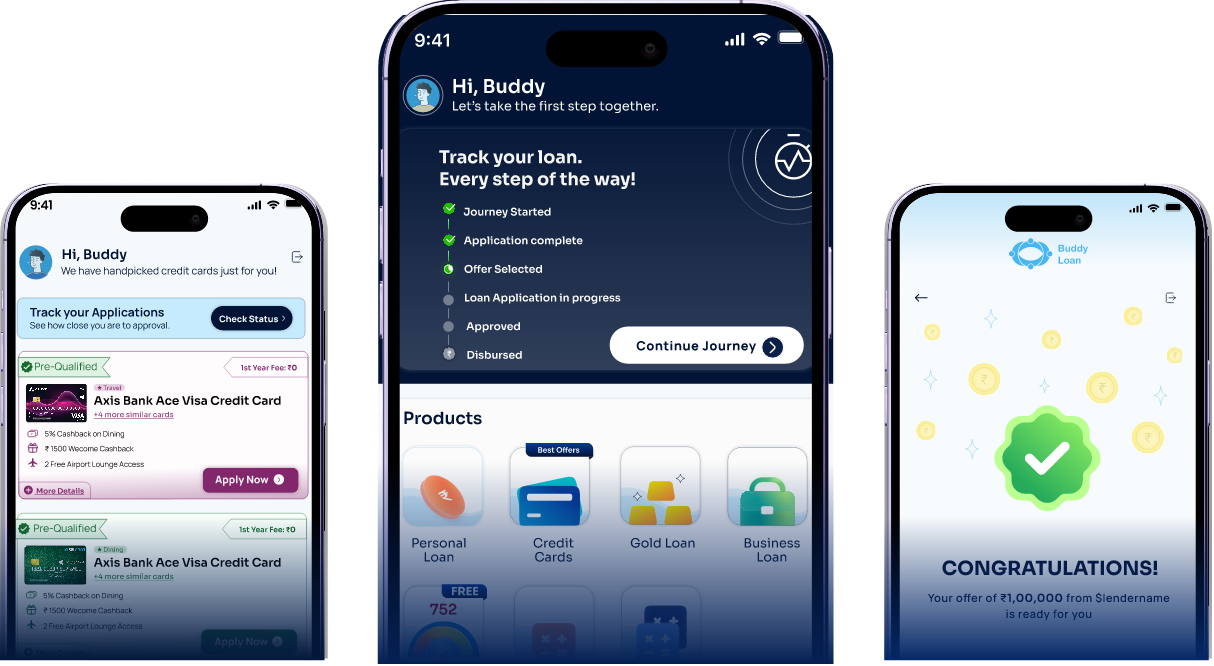
Download the Buddy Loan App Now!
One solution to each of your financial needs at your fingertip.

Scan to download now


Frequently Asked Questions
Q. What are some weird business ideas that have made millions?
A. Several unconventional business ideas, such as pet rock sales and the million-dollar homepage, have garnered significant profits despite their eccentricity.
Q. Can you provide examples of quirky food-related business ideas that became successful?
A. Unique food ventures like gourmet popcorn shops and edible cookie dough cafes have flourished, demonstrating the potential success of unconventional culinary concepts.
Q. Are there strange yet lucrative services that turned into successful businesses?
A. Yes, businesses offering services like professional cuddling and pet pampering have gained popularity and profitability by catering to niche markets with unconventional offerings.
Q. What lessons can entrepreneurs learn from these weird business successes?
A. Entrepreneurs can learn the importance of innovation, understanding niche markets, and embracing creativity from the success stories of unconventional businesses that have achieved remarkable profitability.