In an unpredictable world, it’s essential to have financial safety to weather unexpected expenses, emergencies, or for a sudden job loss. An emergency fund is a vital component of financial stability, providing peace of mind and buffer against life’s unexpected curveballs. In this blog we will go into details of some of the best ways to build an emergency fund and how to maintain it in the long run.
Start with a Clear Goal
Embarking on the journey to create a solid emergency fund is a crucial financial step, it all begins with a clear and well-defined goal. Let’s look into the points in detail:
1. Assess Your Needs:- An emergency fund protects you from unexpected expenses or financial crises, so it’s essential to determine how much you need to have saved. Ideally, your goal should encompass at least three to six months’ worth of living expenses.
2. Realism is Key:- Assess your current income, expenses, and financial responsibilities. Keep in mind that building an emergency fund is a gradual process that requires patience and discipline.
3. Motivation and Direction:- A well-defined aim reminds you of the purpose behind your efforts and serves as a constant reminder of the financial security you’re working towards.


Create a Dedicated Emergency Fund Account
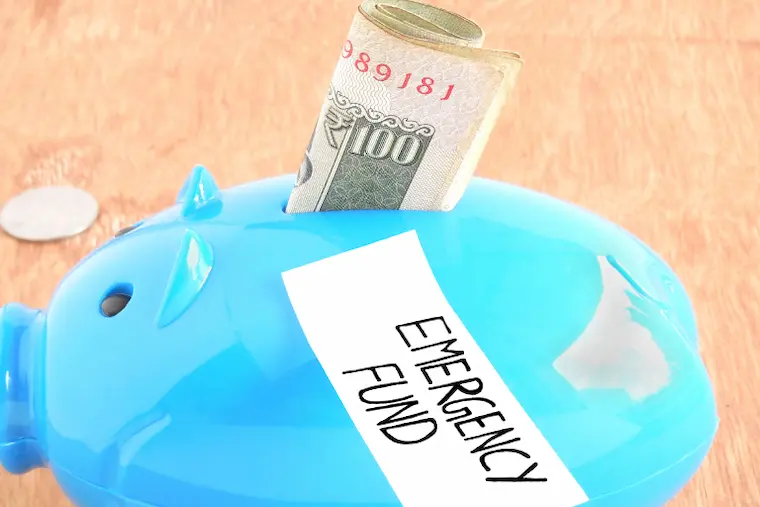
Having a separate account exclusively for your emergency fund offers several advantages that contribute to the success of your financial safety net.
1. Minimises Temptation:- When your emergency fund is mingled with your regular savings or checking accounts, it’s easy to dip into it for everyday spending or non-essential purchases.
By creating a separate account, you create a clear boundary between your emergency funds and your spending money, reducing the risk of impulsive spending.
2. Ensure Accessibility:- A dedicated account allows you to maintain quick and convenient access to your funds in case of an unexpected financial emergency. However, it’s crucial to choose an account that balances accessibility with competitive interest rates.
3. Consider a High-Yield Savings Account:- High-yield savings accounts typically offer a higher interest rate compared to regular savings accounts, allowing your emergency fund to grow over time.
4. Track and Grow Your Fund:- A dedicated account also makes it easier to track and grow your emergency fund. You can monitor your progress, set up automated transfers, and consistently contribute to your fund without the risk of accidental spending.
Develop a Budget and Cut Unnecessary Expenses
One of the fundamental pillars of building a robust emergency fund is mastering your finances through budgeting and expense reduction. This critical step ensures that you not only save regularly but also maximise your savings by minimising unnecessary expenditures.
Here’s how to make it happen:

1. The Importance of Budgeting:- A well-structured budget empowers you to take control of your finances and direct your funds to the most important areas of your life, including your emergency fund.
2. Review Monthly Expenses:- Track your spending habits, including fixed bills (rent or mortgage, utilities, insurance) and variable expenses (groceries, entertainment, dining out). Understanding where your money is going is the key to identifying potential savings.
3. Identifying Areas for Reduction:- Once you’ve assessed your expenses, focus on identifying areas where you can cut costs. This might involve making small sacrifices like bringing your lunch to work instead of dining out or cancelling unused subscriptions.
4. Allocate Funds to Your Emergency Fund:- To ensure your emergency fund grows consistently, allocate a specific portion of your income to it in your budget. By prioritising your emergency fund as a non-negotiable expense, you’ll safeguard its growth and resist the temptation to spend the money elsewhere.

Also Read: How To Make Your First 1 Crore In 5 Years Lump Sum Vs SIP
Increase Your Income
While cutting expenses is a crucial aspect of building your emergency fund, sometimes it may not reach your financial safety net goals within your desired timeframe. In such cases, seeking opportunities to increase your income becomes a pivotal strategy to expedite your emergency fund’s growth.
1. Assessing the Need for Additional Income:- Before delving into income enhancement, it’s essential to assess your financial situation and determine whether you require an extra source of income to meet your emergency fund goals.
2. Explore Freelancing Opportunities:- In the digital age, freelancing has emerged as a viable means of supplementing your income. If you possess skills in writing, design, programming, marketing, or any other field, you can market your services as a freelancer. Freelancing offers the flexibility to work on projects that align with your expertise and schedule, enhancing your earnings potential.
4. Sell Unneeded Items:- An often-overlooked source of additional income is selling items you no longer need. You might have unused or unwanted items in your home that can get converted into cash through platforms like online marketplaces or garage sales. The proceeds from these sales get directed into your emergency fund.
Use Windfalls Wisely
Unexpected financial gains, such as tax refunds, bonuses, or cash gifts, can give your emergency fund a big boost. Instead of spending these windfalls without a plan, think about how to use them wisely by allocating them strategically.
Here are the key points to help you make the most of these financial windfalls:
1. Seize the Opportunity:- Windfalls are gifts from the financial universe. They are unexpected but valuable sources of additional income to use appropriately. Recognize their potential to accelerate your emergency fund growth and seize the opportunity they present.
2. Resist the Urge to Splurge:- It’s common to feel tempted to indulge in impulsive spending when a windfall lands in your lap. However, to fortify your financial security, it’s essential to resist the urge to splurge and consider the long-term benefits of prudent financial management.
3. Allocate Wisely:- Rather than spending your windfalls frivolously, consider allocating a portion or even the entirety of these funds to your emergency fund. This approach not only contributes to your savings but also allows you to make significant strides toward your financial safety net goal.
4. A Quicker Path to Financial Security:- By directing windfalls to your emergency fund, you’re expediting your journey towards financial security. These unexpected infusions of cash can substantially reduce the time to achieve your emergency fund goal. Over time, the combined impact of windfalls can be transformative in terms of your financial stability.
Also Read: 6 Best Post Office Saving Schemes To Double The Money
Key Points To Remember While Building Your Emergency Fund
While setting an initial emergency fund goal and following a savings plan is a significant step towards financial security, it’s equally important to acknowledge the dynamic nature of personal finances:
- Recognize the Need for Flexibility:Financial stability isn’t a static concept. Life is full of unexpected changes, and your financial situation can fluctuate due to factors such as job changes, family circumstances, or economic shifts.
- Regular Progress Review: Regularly reviewing your progress is essential to staying on track with your emergency fund goals. Schedule periodic check-ins to assess how close you are to reaching your savings target.
- Modification as Necessary :As part of your financial review, be prepared to make necessary modifications to your savings plan. If your living expenses increase, perhaps due to unexpected medical bills or housing costs, or if your income experiences a dip, it’s crucial to adapt your savings strategy accordingly.
- Goal Realignment: Sometimes, the need for adjustments may extend to your emergency fund goal itself. If your circumstances change significantly, you may need to revisit your initial fund target.
Developing a Budget and making the most of windfall saving will further strengthen your emergency fund. Monitor your progress and adapt your plan as needed to stay on track and protect your financial future.
With a well-established emergency fund, you’ll have the financial resilience to face whatever life throws your way, providing you with the peace of mind and security you deserve.

Download the Buddy Loan App Now!
One solution to each of your financial needs at your fingertip.

Scan to download now


Frequently Asked Questions
Q. How do I create an emergency fund?
A. Creating an emergency fund involves setting a clear savings goal, opening a dedicated account, budgeting, and automating contributions. By following these steps, you can systematically build your financial safety net.
Q. How much should you save for an emergency fund?
A. The ideal amount for your emergency fund is typically three to six months’ worth of living expenses. However, the actual amount may vary based on your unique financial situation and goals.
Q. Should a single-income family build a bigger Emergency Fund?
A. Yes, single-income families often have higher financial vulnerability, so building a larger emergency fund is advisable. Consider extending your fund to cover more months’ worth of expenses to enhance financial security.
Q. What are some ways to build an emergency fund quickly?
A. You can accelerate your emergency fund growth by increasing your income through part-time jobs, freelancing, or selling unused items. You can also allocate unexpected windfalls and focus on reducing high-interest debts to free up more funds.
Q. What are some common mistakes people make when building an emergency fund?
A. Common mistakes include neglecting debt reduction, not automating savings, or not setting realistic goals. It’s also important to avoid dipping into the fund for non-emergencies and to regularly monitor and adjust your savings strategy as needed.