The deadline has passed.
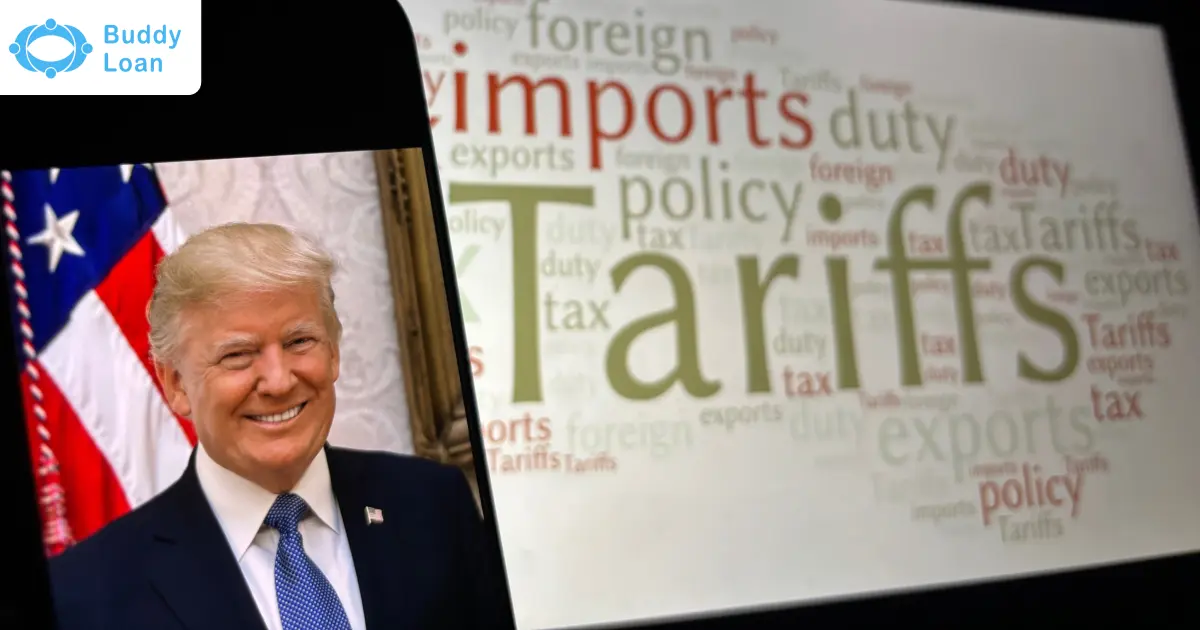
From August 27 2025, Indian exports worth nearly $48.2 billion will face punishing import duties of up to 50% in the U.S., thanks to the latest Donald Trump India tariffs. That means major slaps on Indian exports, and potentially reforming a lot of financial situations in the Indian market.
I’ll admit, headlines scream disruption, but there is always a bigger story on how these tariffs might reshape your expenses, investments, and even opportunities to profit. This isn’t just about political decisions. It’s about how the effect of Trump’s tariffs on India will touch everyday consumers, investors, and small businesses.
Then what is the hidden opportunity? If you know where to look, you might come out stronger. Let’s take a look at the impact of Trump’s tariffs and how you can benefit from it, rather than be affected by it.
Changes Under Trump’s Tariff On India
Until now, U.S. tariffs on Indian goods averaged 25%.
However, as of August 27, 2025, the rate doubled once again to 50% for several categories, in what experts say is retaliation for India’s Russian crude oil purchases.
While many consider this as the USA’s masked excuse with hidden intentions, India still hasn’t lost its ground, trying to find a Pragmatic solution for the issue.

How Will Trump’s Tariffs Affect India’s Economy?
Key sectors that have been affected due to this update include
- Textiles & Apparel
- Gems & Jewellery
- Pharmaceuticals
- Auto Components
- Leather Goods & IT services (indirectly hit by reduced demand)
In short, nearly one-third of India’s export basket to the U.S. has been pushed into high-cost territory. The impact of Trump’s trade tariffs with India on oil and other sectors creates a ripple effect:
- Exporters face shrinking margins.
- Job creation in export-heavy hubs (textiles in Tiruppur, pharma in Hyderabad) could slow down.
- Currency volatility is likely, given the $48B trade shock.
Yet, domestic-facing sectors like FMCG, telecom, insurance, cement, and hospitality are relatively insulated. For everyday consumers like you and me, that means you might not feel the heat at your local supermarket, but your mutual funds tied to export-heavy stocks may wobble in the short term.
Also Read: Impact of US Tariffs on Indian Fintech Industry & Loans
| Will Prices of Essentials Rise?
Here’s the good news: Most essentials won’t get costlier. That’s because FMCG and daily-use categories are driven by domestic supply chains. Furthermore, to drive domestic markets further as well as counter any issues due to tariff issues, the GST 2.0 reforms have been set in place. The real risk effect will surface in import-linked goods like luxury cars, electronics, and oil derivatives (plastics, paints). With higher tariffs in play, some U.S.-imported products could become expensive. But remember, India has been diversifying trade partners, so not every imported product will feel the pinch. |

Where’s the Hidden Money Opportunity?
For financial enthusiasts, these tariff increment isn’t just a threat, but they can be more of a window of opportunity. This is mainly spread across as investment opportunities.
Investors’ Good News: Stock Market ‘Buy the Dip’
Investment analysts know that history shows markets initially fall on tariff news, but recover once clarity emerges. With Nifty’s key support, analysts expect buying momentum to pick up again. That means export-heavy stocks may dip short-term, but domestic-facing sectors like FMCG, power, and infrastructure could attract strong inflows.
Investing in Domestic Companies
Domestic companies that are insulated from global effects (like FMCG majors, PSU banks, and auto firms with high local demand) could see faster earnings growth with this change. Allocating investments here balances volatility from export-linked sectors.
Tariff-Driven Shifts in Oil & Energy
If crude oil prices fluctuate due to U.S.-India tensions, you could expect downstream in areas like refineries and mines, while renewable energy firms to taking a step ahead. That’s something worth keeping in mind and tracking.
Smart Money Moves for Individuals
If you are not someone with a simple income, trying to save money by navigating safely through this situation, there are some ideas for you to follow:
- Budget for Volatility
Expect some price fluctuations in fuel, gadgets, or luxury items. With upcoming sales at the year’s end, using tools like a credit score check before exploring credit-based purchases can ensure you get the lowest interest rates available. - Think Before Big Purchases
Imported cars and electronics may cost more in the coming months. If you’re keen on getting one by using credit options, use an EMI calculator to plan your financing realistically and avoid overextending. - Invest with Balance
If you are planning to start investments, avoid panic-selling your export-heavy stocks. Instead, diversify into sectors likely to benefit from domestic resilience (insurance, banks, FMCG).
You must understand that these tariffs can hurt selectively, but they rarely derail an entire economy.
What Are the Steps of the Indian Government
Even though this is a slap on India’s export businesses, the government of India has taken significant steps to manage the upcoming change of tide. This includes:
- Diversifying trade partnerships with the EU, ASEAN, and other countries
- Strengthening domestic manufacturing by focusing on ‘Make in India’.
- Promoting import substitution by promoting domestic production
- Currency depreciation, to make the Indian market a more attractive option for other countries.
- Financial support to exporters with export credits, subsidies, and duty exemptions.
- Sector-Specific Relief for sectors like pharma, textiles, and automobiles.
- Engagement with the U.S. Government through trade talks with the U.S..
- Encouraging FDI in sectors like electronics manufacturing and renewable energy to reduce tariff-related impacts.
- Promoting IT and services exports by focusing on IT and services exports targeting markets like Europe and the Middle East.
- Incentivising domestic consumption through GST reforms and financial support to sectors like FMCG and automobiles.
- Leveraging bilateral trade agreements with countries outside the U.S. to diversify exports and counter the tariff burden.
- Improving export efficiency, making it easier for businesses to comply with regulations and manage tariff impacts.
Suggested Read: India’s Countermeasures for US Tariffs
Conclusion: A Crisis or an Opportunity?
The Donald Trump tariffs on India have stirred volatility, but they also spotlight the resilience of India’s domestic story.
For consumers, essentials remain stable. For investors, ‘buy the dip’ could be more than just a catchphrase. And for small businesses, government reforms like GST 2.0 and potential rate cuts from RBI could soften the blow.
At the end of the day, the hidden opportunity lies in staying informed, disciplined, and strategic.
If you manage your credit smartly, allocate capital wisely, and keep an eye on both domestic and global cues, Trump’s tariffs may not just be a challenge; they could be your next financial opening.

Download the Buddy Loan App Now!
One solution to each of your financial needs at your fingertip.

Scan to download now