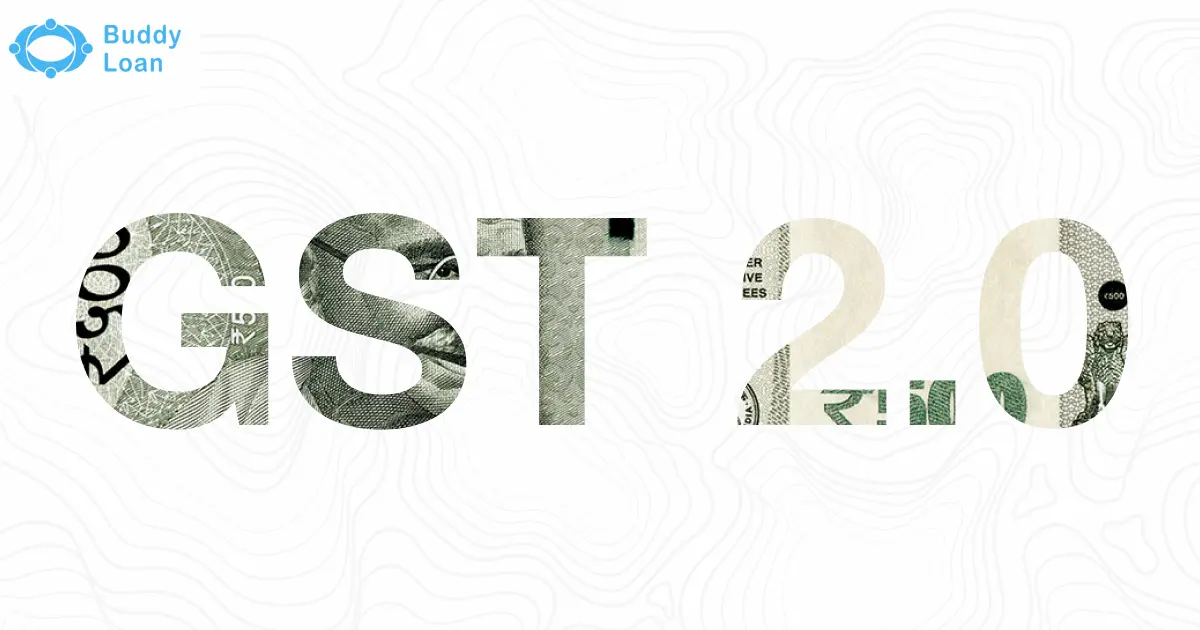
The Income Tax Department of India has implemented the most significant tax overhauls since GST was first rolled out in 2017, on the Independence Day of 2025, named GST 2.0.
This new change, named GST 2.0, introduced the government’s new reforms and was announced in August 2025. These are not just about simplifying taxation for businesses, but they also provide a promise to impact everyday consumers like you and me directly.
From groceries and clothes to cars, appliances and even real estate, this reform wave could reshape what we pay for almost everything.
The expected roll-out is aligning closely with Diwali 2025. For the modern Indians, the timing couldn’t be better. Imagine shopping this festive season with smarter deals, lower prices and extra savings in your pocket.
Let’s take a look at the possible discounts you could expect after the latest GST reforms.
What’s Changing Under GST 2.0?
Until now, India’s GST tiers have four major slabs: 5%, 12%, 18%, and 28%.
This structure has been criticised heavily for being complex, confusing and burdensome for both businesses and consumers.
Under GST 2.0, it’s being streamlined into simpler terms:
- 5% on essentials such as food, basic clothing, agricultural equipment and daily-use household products.
- 18% on most goods and services, covering everything from electronics to packaged snacks.
The 12% and 28% slabs are being removed, while a special 40% rate will apply to luxury and ‘sin’ goods like high-end cars, liquor, tobacco and premium imported products.
The aim is clear: simplify compliance, reduce hidden costs, make pricing more transparent and put more money back into consumers’ hands.
Let’s have a simple comparison for quicker understanding:

Where You’ll Notice the Difference
For shoppers, the impact is quite simple: cheaper essentials and more affordable big purchases.
- Packaged food items, soaps, detergents and personal care products are likely to get 5–10% cheaper compared to today’s pricing. For example, biscuits could be 5% cheaper, as well as detergents, 8–10% cheaper.
- Major purchases like cars, refrigerators, and washing machines, which previously sat in the 28% slab, could see price drops in lakhs. More specifically, cars may drop by ₹1-2 lakhs, or EMI could fall by ₹1,500 monthly.
- Housing and construction services, as cement and building materials move to lower slabs, developers’ costs may fall, potentially leading to more competitive home prices and renovation expenses.
- The services sector could see benefits as well, with personal finance products like insurance premiums, or lifestyle services like gyms and salons, telecom, travel and hotels brought down from 18% to 5%, your monthly expense automatically shrinks.
Timing: A Festive Advantage
The Income Tax Department will finalise the rollout timeline in early September, but most signs point to reforms kicking in by Diwali 2025.
This alignment is deliberate: You see, Diwali is India’s biggest consumption wave, from gold and electronics to cars and home improvement projects. By lowering GST just before the shopping season, the government is ensuring maximum visibility and maximum support for the reforms.
What this means is, for the upcoming Great Indian Festival by Amazon or Big Billion Days by Flipkart, you could see a significant price reduction due to GST.
As for consumers, it also means this is the year to make your wish list strategic:
If you’ve been holding off on a car upgrade, a home appliance or even investing in property, waiting till post-implementation could unlock savings that aren’t just symbolic, but substantial.

Smarter Money Moves: What Savvy Shoppers Should Do
If you have plans to make some big purchases for this festive season, this is the chance for you to gain the upper hand and make some savings out of your expenses, especially with some smart moves, like a pro shopper.
- Hold your horses till Diwali: If you’re planning a big-ticket purchase, holding off until post-September (preferably Diwali) could maximise benefit.
- Budgeting strategically: Create a priority list for your purchase, separating short-term needs (appliances, furniture) from longer-term goals (car or house).
- Using personal loans strategically: If you are planning to use your credit cards for purchases, applying for a personal loan instead can prove to be a smarter move, as personal loans often come with lower interest rates and flexible EMI terms.
- Use smart tools for clarity: If you are looking forward to using a personal loan or using your credit cards, using tools like an EMI calculator can help you compare affordability pre- and post-GST. Even a ₹1,000 EMI reduction can add up significantly across a longer repayment tenure.
- Stay alert: Discounts around GST often mask margin markups. Compare prices across platforms, read the fine print for delivery or hidden charges and don’t get lured just because you saw a visually pleasing advertisement.
How Long Will These Benefits Last?Here is an insight between the lines. It’s important to remember that tax reforms are also tied to government revenue collections. While GST 2.0 is designed to stimulate demand, these simplified slabs may see course corrections in the future if revenue gaps widen. Which means, the biggest window of price drop is likely in the near future. Simply put, the most profitable price changes could be in the fall of 2025, especially after Diwali. So, this might be the window for savvy consumers to make the move and clear that checklist. |
A Personal Finance Angle
Looking beyond the shopping, the GST 2.0 is an opportunity to tie everyday savings directly to your larger financial goals:
- Reinvest what you save into SIPs, emergency funds or debt repayment.
- If you rely on financing, use the GST-driven EMI savings to shorten your loan tenure.
- Consider personal loans for high-value buys if the overall cost post-GST makes sense. Platforms like Buddy Loan allow you to compare lenders, offers, check eligibility and calculate EMIs before committing.
To put it all in one word, if GST 1.0 was about ‘one nation, one tax’, then GST 2.0 is about ‘one nation, one price advantage’. This time focus is more on refining the system and making the taxation easier, inclusive to more people and making the domestic market more attractive.
Final Word
From an analyst perspective, the upcoming GST reforms are not just for a tax story, but it is a finance story, a savings story and a consumer empowerment story.
From groceries to gadgets, homes to health insurance, the ripple effect of this change will touch nearly every household in India.
So start planning your expenses. And most importantly, think beyond just buying cheaper: think about how the money you save can move you closer to your financial goals. Because if you play it right, GST 2.0 isn’t just about lower bills this Diwali. It’s about a stronger personal balance sheet for years to come.
Download the Buddy Loan App Now!
One solution to each of your financial needs at your fingertip.

Scan to download now