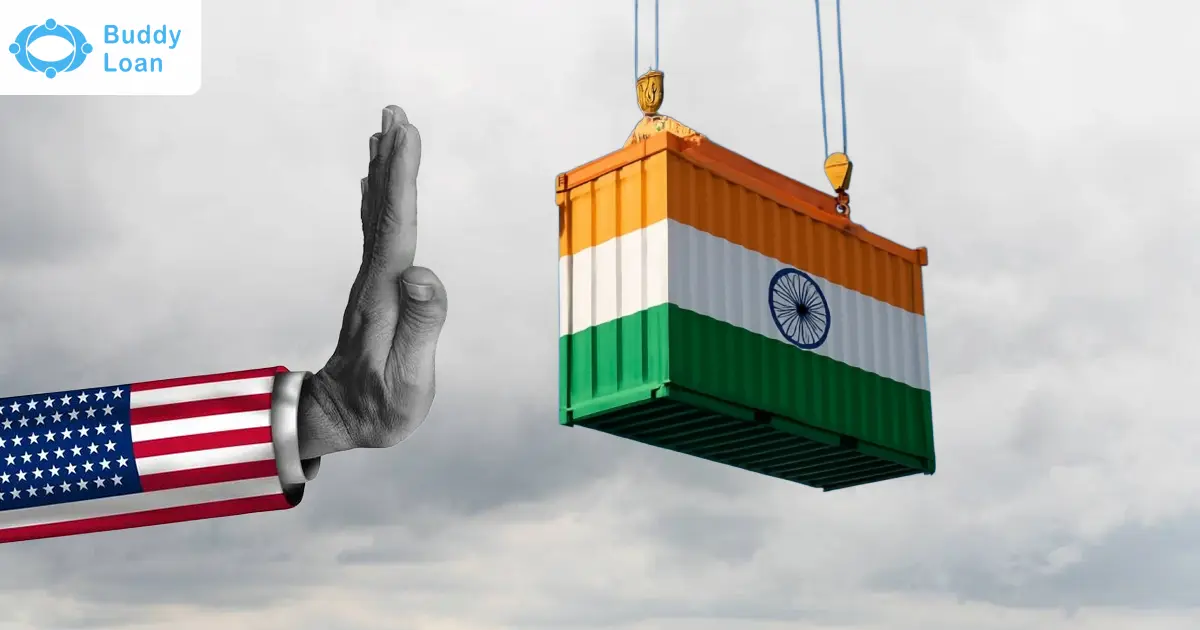
With the ongoing tariff “penalty” of the US on India, the charges are set to rise by 50% by the end of August, which leaves Indian individuals and businesses alike struggling with the economic ripple effects.
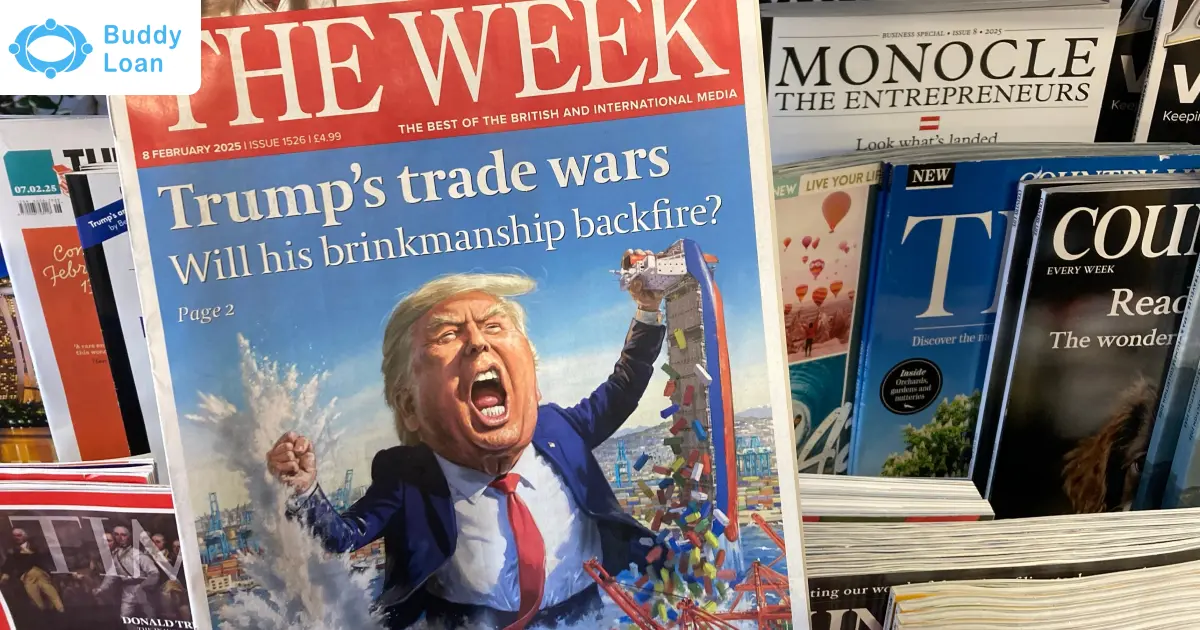
President Trump’s decision to impose tariffs on Indian goods has drawn the attention of the Indian population to how its government will respond and what this means for local industries.
For many small business owners and professionals, understanding the countermeasures is crucial to navigating this turbulent global trade environment.
Let’s take a look at India’s strategic moves so far to combat the tariff hit, focusing on key developments such as the GST reforms, cotton import changes, and their broader implications for Indian businesses.
Trump’s Tariffs and Their Impact on India
The tariffs imposed by President Trump have created tension in global trade, and India might be one of the top ‘punished’ by their effects. Here is a list of actions and their corresponding steps taken by India:
| Category | Tariff Penalty on India | India’s Response |
| Textiles | $400 million (₹) | Diversifying Trade |
| Steel | $150 million | Retaliatory Tariffs |
| Agriculture (Cotton) | $300 million | Price Adjustments |
Simply put, India’s exports to the US dropped by $1.5 billion after tariffs were imposed. India’s retaliation tariffs are expected to impact 20-30% of affected goods.
However, India’s response to these tariffs has been a mix of retaliation and strategic reform. While retaliatory tariffs have been introduced, the government is also working to cushion the blow for local industries with economic reforms and policy changes.
After all, the protection of domestic resources is the government’s primary concern.
But the major question persists: How effective are these measures? Can India’s countermeasures really offset the damage caused by the tariff penalties?
Understanding the global context is essential for businesses and individuals who rely on imports, exports, or manufacturing. While the full impact of Trump’s tariffs is not yet practical, India’s approach is a critical part of the equation for those affected.

India’s Countermeasures
- Retaliatory Tariffs on US Goods
India also imposed retaliatory tariffs on U.S. goods, such as motorcycles, nuts, and other agricultural products, to counter the impact of U.S. tariffs on Indian exports. This helped balance the trade deficit caused by U.S. tariff actions.
- Diversification of Trade Partners
To reduce reliance on the U.S. markets, India has focused on strengthening trade ties with countries in Asia, Europe, and the Middle East. This strategy helps mitigate risks and keeps Indian exports competitive in a changing global market.
- Local Manufacturing (Make in India)
The government’s ‘Make in India’ initiative was aiming to encourage local manufacturing and reduce dependency on imported goods. It works by providing incentives for businesses to set up production units in India, especially in sectors like electronics and automobiles.
- Currency Depreciation
The Indian Rupee has been allowed to weaken slightly, making Indian exports more competitive by reducing the cost of Indian products in foreign markets. This was aimed at offsetting some of the tariff-induced price hikes.
- Strengthening Domestic Supply Chains
India has been focusing on strengthening its local supply chains, especially in key sectors like agriculture and textiles, to minimise dependency on imports and reduce vulnerability to external trade disruptions. This is a shot aimed far down in the future, making import and export more profitable.
- Trade Agreements with Other Countries
India has signed Free Trade Agreements (FTAs) and Economic Cooperation Agreements (ECAs) with other countries like the UAE and Australia to open new markets and reduce barriers for Indian exports, lessening dependence on the U.S. market.
- Tax and Export Incentives
The government offers export incentives like the Duty Drawback Scheme and Export Promotion Capital Goods (EPCG) schemes to help businesses reclaim duties on imported raw materials used in export production, reducing the overall cost burden.
- Financial Support for Affected Industries
Industries that are directly affected by tariff impositions, such as textiles and agriculture, will be provided with financial relief packages and government funding to help them modernise and mitigate the economic impacts of tariffs.
- Changes to Cotton Imports
The cotton industry in India has been significantly impacted by Trump’s tariffs, especially because the U.S. is one of the largest cotton exporters to India.
To mitigate the impact of higher cotton prices due to tariffs, India has made adjustments to its import policies. These changes include diversifying sources for cotton imports, particularly from countries like Africa and Central Asia, to reduce dependency on the U.S.
Impact: This policy helps Indian manufacturers, particularly those in textiles, manage costs and maintain competitiveness. By sourcing cotton from alternative markets, India aims to stabilise prices and reduce the overall impact on the domestic textile industry.

Prime Minister’s August 15 GST Update
The Prime Minister’s update on Independence Day brought much-needed clarity to India’s tax policies, which was another covert step in helping the financial framework of India.
Simply put, it conveys that for many businesses, the GST system had been a complex maze of compliance challenges and confusion. The new updates, however, aim to simplify the process, reduce costs and provide a clearer framework for taxpayers.
Although not a direct influence of the tariff decision by the USA, this is a very timed update that can make a huge impact for Indian economy.
| Change | Details |
| GST Slab Simplification |
|
| Shift of Existing Rates |
|
| New High-Tax Category |
|
| Key Goals of Reform |
|
| Economic Impact & Timeline |
|
However, while the GST update is promising, there is still uncertainty about how it will interact with the broader global trade shifts caused by Trump’s tariffs.
| GST and Tariffs – Can They Coexist?
While GST updates bring much-needed relief, the connection between GST reforms and the impacts of US tariffs is still somewhat hazy for many business owners. |
India’s Strategy to Overcome Economic Challenges
Looking forward, India’s strategy focuses on strengthening its resilience in the global market.
India’s long-term strategy revolves around reducing reliance on volatile trade relationships and strengthening local industries. The government’s plan to shift focus to local manufacturing and agriculture could provide a significant cushion for businesses feeling the strain of external pressures.
Well, the USA is not the entire world after all. India is trying to balance a profitable export of domestic products to a profitable foreign market other than the US, by diversifying trade partnerships and reducing dependency on certain exports. India aims to minimise the long-term effects of global trade disruptions.
But there’s a key question: How soon can businesses like yours expect these changes to take effect? The answer lies in India’s evolving trade relationships and its focus on boosting self-reliance.
Navigating Economic Shifts with Confidence
As global trade dynamics continue to shift, businesses and individuals must stay informed to avoid getting caught off guard. This is a very big change and a growing opportunity.
While Trump’s tariffs pose challenges, India’s countermeasures, including GST reforms and adjustments in import policies, offer a way forward. The key to navigating these turbulent times lies in clarity.
Simplifying complex economic changes and understanding how they impact specific sectors, like textiles, manufacturing and agriculture, is essential. For many, a deeper understanding of the changes to GST, cotton imports and tariff policies will help in making strategic business decisions.

Download the Buddy Loan App Now!
One solution to each of your financial needs at your fingertip.

Scan to download now