So, your loan was supposed to be enough… until life happened. Maybe a surprise medical bill. Maybe you need a home upgrade. Or maybe your side hustle needs a quick cash boost. Whatever the reason, you need more funds fast.
So now you’re wondering: should you go through the whole process again for a brand-new loan or simply top up the one you already have?
In this blog, we’ll break down when a top-up makes total sense, when it doesn’t and how platforms like Buddy Loan let you compare both options side by side before making the smart move. Because borrowing should be strategic, not stressful.
What Is a Top-Up Loan
A top-up loan is exactly what it sounds like: additional funds added on top of a loan you’re already repaying.
Let’s say you borrowed ₹5 lakh last year. You’ve been paying your EMIs on time, but now you need another ₹2 lakh, maybe for a medical expense, a renovation or to grow your business. Instead of applying for a fresh loan from scratch, your lender might offer a faster, simpler option: a top-up loan.
Here’s How a Top-Up Loan Works:
- You already have an ongoing loan (personal, home, etc.)
- You’ve paid EMIs regularly for at least 6-12 months
- The lender checks your repayment history and credit score
- If all looks good, they approve an extra loan amount on top of your current balance
It’s convenient because you’re not starting from zero; you’re just extending a loan relationship that’s already in good standing.

Difference Between Top-Up vs New Loan
Let us look at the table to understand the difference between applying for a top-up loan and taking a new loan:
| Feature | Top-Up Loan | New Loan |
| Approval Speed | Faster (since you’re an existing customer) | Slower (new application and checks) |
| Interest Rates | Often lower | May be higher, based on credit profile |
| Documentation | Minimal (already KYC-verified) | Full set of documents required |
| Tenure | Usually aligned with your original loan | New tenure begins from scratch |
| Lender Relationship | Same lender as your current loan | Can choose any lender |
When You Might Be Eligible:
- You’ve made at least 6-12 months of on-time EMI payments
- Your repayment history is clean. no bounces, no delays
- The remaining loan amount is large enough for a top-up to be considered
Bottom line: If you’re already paying off a loan responsibly and need extra funds, a top-up could be a faster, smarter way to borrow without redoing the whole loan process from scratch.
Top-Up Loan Makes More Sense Than a New Loan
Not every borrowing need requires a whole new loan. Sometimes, it’s way smarter and faster to just build on what’s already working. Here are common situations where going for a top-up loan makes much more sense than starting fresh:
- You’re Midway Through an Ongoing Loan (Home or Personal).
If you’ve been paying EMIs on time, your current lender already trusts you. That often means faster approvals and better rates than what you’d get on a brand-new loan.
Example: Took a home loan 2 years ago and now want to renovate? A top-up gets approved quicker than applying for a new personal loan from scratch.
- The Expense Is Related to Your Existing Loan
Top-ups are ideal when your new need ties into your existing loan purpose, like home upgrades, car add-ons or business scaling.
Example: Already repaying a car loan and need ₹1L for insurance or accessories? A top-up is smoother and more logical than applying for a separate loan.
- You’d Rather Not Go Through Fresh Paperwork
With top-ups, your bank already has your details. That means minimal documentation, no fresh KYC and fewer eligibility hoops to jump through.
Example: Freelancers or self-employed folks often find it easier to top up an existing loan than go through a new loan approval process.
- You Want to Lock in a Lower Interest Rate.
Top-ups typically come with rates similar to your existing loan, which are usually lower than a brand-new personal loan’s unsecured rates.
Example: Got a personal loan at 12.5%? Your top-up may stay close. But a new loan? Could climb to 14-16%.
- You’re Protecting Your Credit Score.
Since top-ups often don’t show up as separate accounts on your credit report (depending on the lender), they can be easier on your CIBIL score than adding a new loan.
A top-up isn’t just about borrowing more; it’s about borrowing smarter.

When a New Loan Beats a Top-Up
Top-ups are handy, but they’re not always the smartest choice. In some cases, applying for a fresh loan actually gives you better rates, more flexibility and a cleaner financial strategy. Here’s when hitting reset makes more sense:
- Your Previous Loan Is Already Closed
No active loan? No top-up possible. Once a loan is fully repaid and closed, it’s out of the system and so are your top-up options.
Example: You cleared your personal loan last year? Even with the same bank, you’ll need to start fresh with a new loan application.
- Your Lender’s Top-Up Rate Isn’t Competitive
Don’t assume top-ups always come cheaper. Some lenders charge higher interest on top-ups than what you’d get elsewhere on a new loan.
Example: Top-up being offered at 13.5%? But another lender is offering a new personal loan at 11.9%. That’s a no-brainer; go with the better rate.
- You Need More Than the Top-Up Limit
Top-ups depend on your current loan balance and history. But if you need a bigger amount, your top-up ceiling might fall short.
Example: The bank offers you a ₹3L top-up, but your need is ₹5L. A new loan is your best bet to bridge the gap.
- You Want a Different Type of Loan
Top-ups are tied to your existing loan type. Want to shift to a business, gold or education loan? You’ll need a new loan tailored to that need.
Example: You’re repaying a personal loan but now need funds for your business. Time to apply for a dedicated business loan, not a top-up.
- Your Credit Score Has Levelled Up
If your credit score has improved since your last loan, you’re in a stronger position to negotiate better rates with new lenders.
Example: Your CIBIL score went from 685 to 765? That opens up better deals, so don’t settle for the same old rate.
Pro tip: Always compare. Even if a top-up looks convenient, a new loan might surprise you with better terms and bigger savings.
Top-Up vs New Loan: Quick Comparison Table
Since we have come across the difference between the two loans, let’s compare them.
| Factor | Top-Up Loan | New Loan |
| Approval Speed | Faster uses existing loan track record | Slower full verification process |
| Interest Rate | Usually lower (if with same lender) | May vary, sometimes lower, with different lenders |
| Documentation | Minimal already submitted for original loan | Fresh docs required |
| Loan Amount Limit | Tied to your existing loan repayment history | Based on current eligibility and credit score |
| Loan Type Flexibility | Must match original loan (e.g., personal loan only) | Can choose any type: business, gold, etc. |
| Fees & Processing | Lower or waived with existing lender | Standard charges apply |
| Ideal For | Quick funds when you already have a running loan | Larger loans or a new financial goal |
Conclusion
Need extra cash? Both a top-up and a fresh loan can get you there, but choosing the right one can save you time, stress and a whole lot of interest.
If you’re already on good terms with your current lender and just need a quick boost, a top-up loan is often the faster, simpler move. But if your original loan had sky-high rates or your needs have changed, a new loan might give you more freedom, better terms and breathing room.
Bottom line: Don’t just pick the fastest route; pick the smartest one.
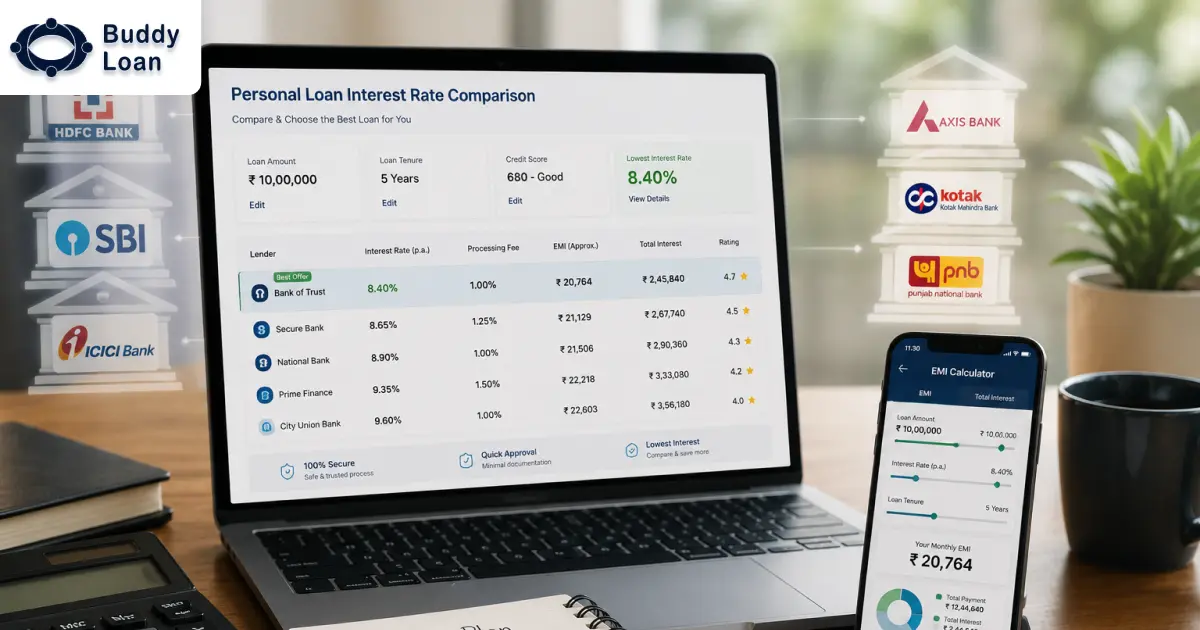
Platforms like Buddy Loan lay both options side-by-side so you can compare interest, tenure and eligibility before you make a move.
Because at the end of the day, loans should help you level up, not weigh you down.
Download the Buddy Loan App Now!
One solution to each of your financial needs at your fingertip.

Scan to download now