A top-up loan can sound like a quick fix when cash runs short, especially if you have an existing loan up your sleeve.
And honestly, why not?
You are already paying an EMI, it is minimal paperwork, faster approval and no need to start from scratch. You would be paying a bit more. That’s all right?
But wait. Not so fast. Just like any loan, ignoring the loan terms and conditions can trap you into paying far more than you expected. It could also be a bit more serious considering you are taking a loan up on already existing one.
Let’s take a look at the details so you know exactly when a top-up loan makes sense and when it can silently drain your finances.
What Exactly Is a Top-Up Loan?
A top-up loan is an additional loan you can take on top of your existing loan, usually a home loan, personal loan or business loan. Instead of applying for a completely new loan, you simply request extra funds from your current lender.
Top-up loans are typically offered to borrowers who have a strong repayment record and meet the lender’s eligibility criteria.
Here is why a top-up loan stands out:
- Convenience. Minimal paperwork if you’re already a trusted borrower.
- Faster. Since your lender already has your details, the process is quicker and involves less paperwork.
- Cheaper. It is usually lower than fresh unsecured loan rates.
In most cases, the top-up amount is added to your existing loan and both are repaid together, often under the same interest rate structure or a slightly higher one.
Now that is really attractive and convenient right? But convenience often comes at a price, hidden in the details.
What You Probably Will Miss
You see, in the financial world, if something is sweet and good to be true, there are some downsides for it. In this case, there are certain things that you should look out for:
- The Interest Rate Illusion
Banks often pitch top-ups as ‘low interest’. Well, technically, they are right too.
But remember: the devil is in the details.Your top-up loan interest rate may be 0.25% to 1% higher than your original loan. Over long tenures, that gap compounds into thousands of rupees. For example:
| Loan Type | Loan Amount | Interest Rate | Total Interest Paid |
| Original Loan | ₹5,00,000 | 10% | ₹1,37,000 |
| Top-Up Loan | ₹2,00,000 | 11% | ₹61,000 |
In total, you are paying ₹1,98,000, close to ₹2 lakhs.
That ‘small difference’ in the interest rate of 1% adds significantly to your overall repayment burden.
- Hidden Costs Add Up
See, even if it is not a new loan per se, it is still a new allocation of money in your way. That means another set of additional charges. Processing fees, documentation charges and insurance add-ons may silently raise your effective cost by 2–6%. Lenders rarely highlight these upfront. - Shorter Repayment Window
The repayment timeline for your top-up loan usually follows the remaining term of your original loan. So, if your existing loan has three years left, your top-up must also be paid off in that time.
This can cause your EMIs to shoot up quickly. It is not always an ‘easy’ case, if you are taking about 30%-40% of your existing loan as top-up. - EMI Shock to Your Budget
Now, what if you change the tenure instead? You could ask for an extension right?
But there is a flipside to that too. Extending the tenure to keep EMIs ‘affordable’ means paying more in total interest. Worse, missing even one EMI can hit your credit score, limiting future borrowing power.
Honestly, most lenders do not extend the overall loan tenure when you take a top-up. That is unless you refinance or restructure the loan. - Usage Restrictions You Might Miss
The RBI has started discouraging top-up loans for speculative purposes like stock market investing. That means your usage may be restricted, even if no one explains this at the time of disbursal.
This is where the need for a credible lender become absolute necessity. - Overlooked Clauses and Penalties
Many borrowers skip reading fine print that includes: - Prepayment or foreclosure penalties
- Conditions tied to property or loan use, and the penalties tied with it
- Forced insurance or bundled products
| Let’s take a look at this real world example:
Priya had been managing her home loan smoothly for three years when she decided to take a top-up loan to cover some urgent home renovation expenses. The lender offered her quick approval and a decent rate, so she signed without digging too deep into the details. What Priya didn’t notice:
|
But whatever the case is, under the RBI’s Fair Practices Code and Digital Lending Directions, 2025, a KFS (Key Fact Statement) must be produced to the borrower that explains:
- Annual Percentage Rate (APR), including all fees and charges
- Loan amount, terms, tenor, repayment schedule
- Disclosures of hidden fees
As well as certain other guidelines such as the display of all loan options in a transparent, unbiased manner and offering clear visibility of key terms like APR, tenors, disbursement terms and the KFS for each lender

When Does a Top-Up Loan Actually Help?
All the negative doesn’t mean all top-up loans are traps. If used wisely, they can work in your favour for needs such as:
- Emergency medical expenses: a quick access to funds without new loan hassle can be a life saver.
- Debt consolidation: replacing high-interest credit card debt with a lower-rate top-up loan is a financially logical move.
- Home improvement: adding value to your property through renovation.
The catch is that it only works if you’ve maintained a strong repayment history and have the income buffer to handle extra EMIs.
Things You Should Ask Before Thinking Of Top-Up Loan
Ask yourself these four questions before signing up for top-up:
|
Question |
Why It Matters |
|
Is the top-up rate lower than alternatives? | Even 0.5% matters long-term
Red Flag: If higher than fresh loan offers |
|
Are there hidden charges? | Fees reduce effective benefit
Red Flag: If above 2–3% of loan value |
|
Can you comfortably pay EMIs? | Missing payments hurts credit score
Red Flag: If EMIs are higher than 40% of monthly income |
|
Is it for necessity or luxury? | Wise use builds stability
Red Flag: If used for gadgets, vacations |
Common Mistakes Borrowers Make
- Not comparing lenders: Some NBFCs may offer better top-up rates than your original bank, or vice versa.
- Stretching tenure too long: Low EMIs may feel good, but cost more overall.
- Ignoring credit score impact: A poor score reduces your bargaining power. Always check it beforehand using an credit score checker tools.
- Using top-up for lifestyle expenses: Short-term fun, long-term regret. Remember, top-up is vice for emergencies or when there is an actual necessity.
Conclusion: Don’t Let Convenience Fool You
Top-up loans may seem like a convenient shortcut to quick funds, but convenience can come at a cost if you ignore the terms. The hidden danger is not in borrowing, but in borrowing blindly.
Read the terms and conditions, compare interest rates, calculate EMIs realistically and only borrow what you can repay without stress.
It is also best to choose lenders wisely according to your borrower profile. Use a digital lending platform like Buddy Loan, where you can know possible lenders that are best suited to your credit profile.
Be smart with your choices and a top-up loan wouldn’t be a trap, but a smart tool to protect your financial health.
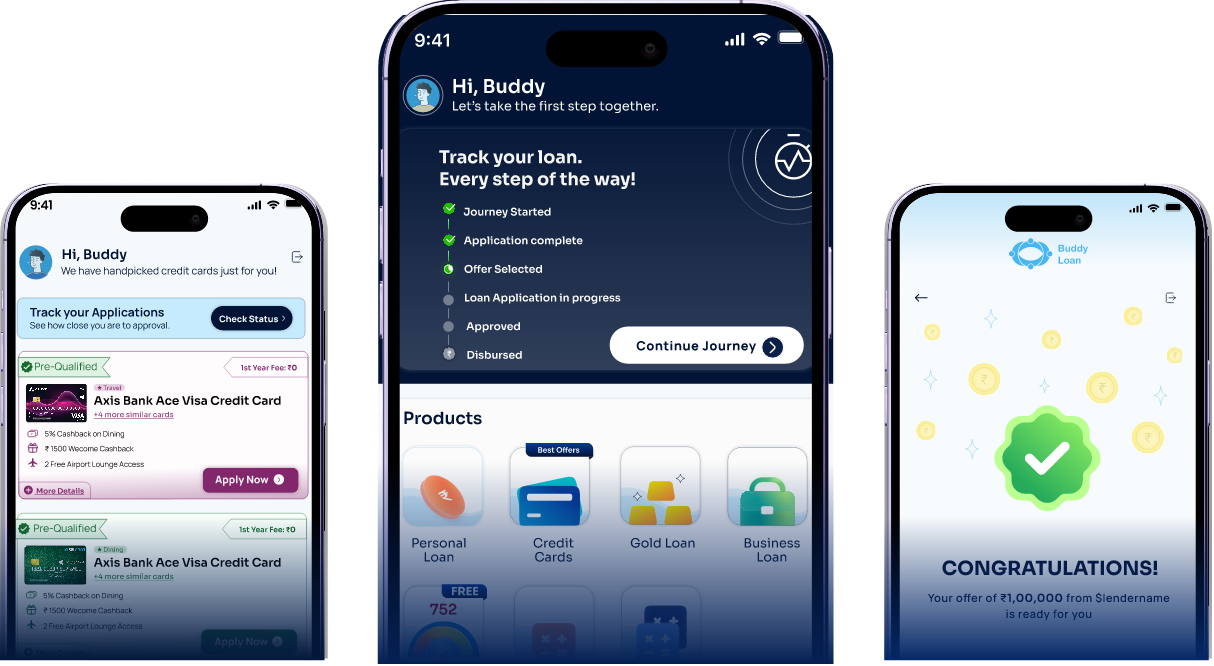
Download the Buddy Loan App Now!
One solution to each of your financial needs at your fingertip.

Scan to download now