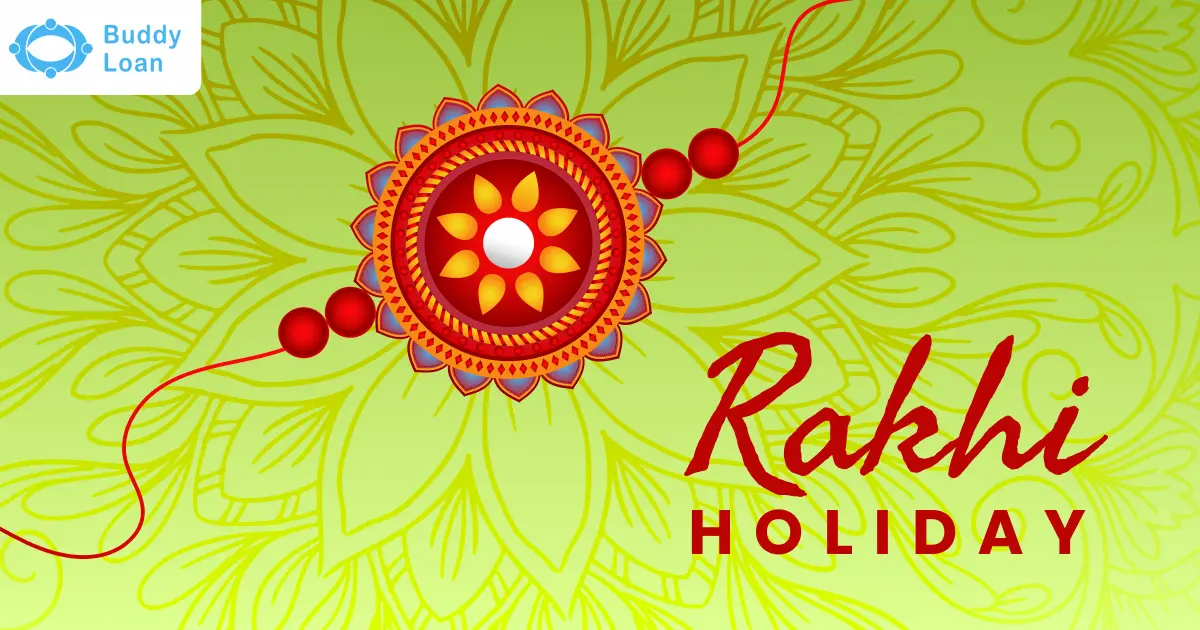
Rakhi, also known as Rakshabandhan, celebrates the bond between siblings in India. Sisters tie a sacred thread around their brothers’ wrists, symbolising love and protection, and brothers promise to protect them.
Observed every year in the month of Shravana (typically August), the festival is rooted in love, trust, and familial commitment. In 2025, Raksha Bandhan falls on Saturday, 9 August 2025, and will be widely celebrated across India with cultural rituals, family gatherings, and, in several regions, as an official holiday.
Key Highlights of Raksha Bandhan
Let us look at the key features of Raksha Bandhan:
| Aspect | Details |
| Festival Name | Raksha Bandhan (Rakhi) |
| Rakhi 2025 Date | Saturday, 9 August 2025 |
| Shubh Muhurat | Tying of Rakhi: Approx. 05:47 to 13:24 (based on Hindu Panchang) |
| Public Holiday | Yes, in selected states (details in next section) |
| Bank Holiday | Yes, observed in multiple northern and central states |
| Cultural Significance | Celebration of the bond between brothers and sisters |
| Traditional Elements | Rakhi tying, aarti, gift exchange, family meals, blessings |
| Region’s Most Celebrated | Uttar Pradesh, Madhya Pradesh, Rajasthan, Delhi, Haryana, Uttarakhand, Chhattisgarh |
Important Notes: Timing and date may change according to the Hindu lunar calendar.
⇒ The Raksha Bandhan date (9 August 2025) is based on the full moon (Purnima) of Shravana month, which is traditionally followed for this observance.
⇒ The festival is both religious and social, cutting across regional lines, with varying degrees of formality and celebration.

Rakhi 2025 Muhurt
The good time to tie Rakhi as per the Subh Muhurt will be from 5:47 AM and continue until 1:24 PM. There is no Bhadra during the prime rakhi tying time in 2025, making the entire day favorable. If you want to know the Brahma Muhurat it will be from 4:22 AM to 5:04 AM and Abhijit Muhurat will be from 12:17 PM to 12:53 PM.
In short, as there is no Bhadra on the Rakhi Day (9th August 2025), the entire day till the evening will be favourable for Raksha Bandhan celebrations.
Rakhi Holiday 2025
In the Hindu calendar month of Shravana, which usually falls in August or September in the Gregorian calendar. In 2025, Raksha Bandhan is falling on Saturday, 9 August 2025, and will be observed as a public holiday and a bank holiday in several Indian states, particularly in the northern and central regions. The nature of the holiday can vary depending on state government declarations and local traditions.
Here’s a breakdown of the Rakhi holiday status:
| Date | Day | Occasion | Holiday Type | States Observing |
| 9 August | Saturday | Raksha Bandhan | Public and Bank Holiday | Uttar Pradesh, Madhya Pradesh, Rajasthan, Haryana, Uttarakhand, Chhattisgarh, Bihar, Jharkhand, Himachal Pradesh, Delhi |
| 9 August | Saturday | Raksha Bandhan | Restricted Holiday | Maharashtra, Gujarat, Karnataka, West Bengal, Odisha, Tamil Nadu, Kerala (based on company/government discretion) |
Public Holiday on Raksha Bandhan
⇒ Declared in states where Rakhi has strong cultural roots, especially in North India. Government offices, schools, and many private organizations remain closed.
Bank Holiday on Raksha Bandhan
⇒ As per the Reserve Bank of India’s state-wise holiday calendar, banks remain closed in states officially observing Raksha Bandhan as a public holiday.
Weekend Note on Raksha Bandhan
⇒ Falling on a Saturday, Rakhi 2025 may lead to a long weekend in several regions, impacting travel and banking schedules.
⇒ Banks remain closed on 10 August 2025 (Sunday) and may follow the second Saturday off on 9 August 2025, adding to the extended break in some regions.
Also Read: Ganesh Chaturthi

Significance of Raksha Bandhan
Rakhi is a significant festival celebrating the sacred bond between brothers and sisters. Here are some key points about the significance of this festival:
- The symbolism of the Rakhi: The rakhi is a sacred thread that a sister ties on her brother’s wrist. This signifies the sister’s love, care, and prayer for her brother’s well-being. It symbolises the brother’s duty to protect his sister under all circumstances.
- Mutual Love and Respect: Rakhi highlights the deep emotional connection and mutual love and respect between siblings. It is a celebration of this special relationship.
- The tradition of Gift-Giving: As part of the festival, the brother gifts his sister something, often sweets, clothes, or jewellery . This gesture strengthens the bond and expresses the brother’s love and appreciation for his sister.
- Protection and Security: The festival emphasises the brother’s responsibility to protect and support his sister. The rakhi symbolizes a sacred thread that binds the brother to the duty of care and safeguarding.
- Harmony in the Family: Rakhi promotes harmony, unity, and goodwill within the family. Siblings must put aside differences and come together in a spirit of love and togetherness.
- Celebration of Womanhood: The festival also celebrates the important role of women in the family and society, honouring their strength, wisdom, and nurturing nature.
Overall, Rakhi is a deeply meaningful festival that strengthens the sibling bond, upholds traditional values, and fosters a sense of belonging within the family.
Broader Social Message of Raksha Bandhan
- Traditionally focused on brother-sister relationships, Rakhi today also symbolizes universal bonds of care, often being tied to friends, teachers, soldiers, and even social workers.
- In some communities, women tie rakhi to trees, rivers, and public servants, extending the ritual’s meaning to ecological and civic protection.
Inclusivity and Modern Relevance of Raksha Bandhan
- With changing times, Rakhi has evolved into a celebration of mutual respect and emotional security, cutting across gender and cultural boundaries.
- It reinforces Indian values of togetherness, duty, and respect, especially in a society that emphasizes family cohesion.
Also Read: Dussehra Holidays
History of Raksha Bandhan
Rakhi has a rich and ancient history in the Indian subcontinent. Here’s a brief overview of the historical significance and origins of this festival:
Mythological Origins:
- The festival is said to have its roots in Hindu mythology. One popular legend involves the story of Lord Krishna and his sister Goddess Draupadi. When Krishna cut his finger, Draupadi tore a piece of her sari to bind his wound, and Krishna promised to protect her forever.
- Another myth associates Rani Karnavati of Chittor with sending a rakhi to the Mughal emperor Humayun, seeking his protection.
Historical References:
- Ancient texts and scriptures like the Rig Veda, Mahabharata, and Puranas mention the ritual of tying a sacred thread as a symbol of protection.
- Rakhi has been celebrated since ancient times, with references dating back to the 6th century BCE.
Cultural Significance:
- The festival holds great cultural significance, particularly in North India, where it is widely celebrated.
- It is seen as a celebration of the brother-sister relationship, transcending religious and social divides.
- Over time, the festival has also evolved to include the tying of rakhis between close friends, cousins, and even political leaders as a gesture of mutual support and protection.
Symbolic Evolution:
- The rakhi, originally a simple thread, has evolved to include intricate designs, precious stones, and even electronic chips in modern times.
- The gifts exchanged during Rakhi have also diversified, reflecting the changing times and preferences of the people.
- Today, people across India and among the Indian diaspora worldwide cherish Rakhi, celebrating it with great fervor, upholding the timeless values of sibling love, protection, and harmony.
Rakhi Rituals & Traditions
The celebration of Raksha Bandhan is rooted in customs that emphasize respect, blessings, and emotional bonding. While the essence of the ritual remains the same across regions, some traditions may vary slightly by community or geography.
Rakhi Ceremony at Home
Preparation of the Thali
A decorative plate (puja thali) is prepared, containing
- → Lit a diya (lamp)
- → Roli (vermilion), rice grains (akshat)
- → Sweets (like laddoo or barfi)
- → The rakhi thread
Aarti and Tika
⇒ The sister performs an aarti (circular motion with the diya) in front of her brother.
⇒ She applies a tilak (vermilion mark) on his forehead and sprinkles rice for blessings.
Tying the Rakhi
⇒ The sacred rakhi thread is tied around the brother’s wrist while reciting a protective Sanskrit mantra or prayer.
⇒ It symbolizes love, duty, and the bond of protection.
Exchange of Sweets and Gifts
⇒ The sister feeds sweets to her brother as a gesture of affection.
The brother, in return, offers her a gift and promises to stand by her and protect her throughout life.
Also Read: Ayudh Pooja
Different Types of Rakhi
Over time, Rakhi has evolved from a simple sacred thread into a wide variety of forms, each reflecting changing tastes, regional styles, and personal preferences. Below is a breakdown of the most common and culturally significant types of Rakhi seen across India today.
Traditional Rakhi
- Made from silk threads, beads, and simple decorations.
- Focuses on religious symbols like Om, Swastika, or Ganesha.
Designer Rakhi
- Crafted with stones, pearls, zari work, and sometimes even gold or silver plating.
- Often customized to match age, fashion trends, or gifting themes.
Lumba Rakhi
- A special rakhi tied on the bangles of bhabhi (sister-in-law).
- Commonly practiced in Rajasthan and Gujarat, symbolizing inclusion of the entire family.
Kids Rakhi
- Features cartoon characters, LED lights, toys, or music.
- Popular among younger brothers and cousins.
Eco-Friendly Rakhi
- Made from biodegradable materials like jute, paper, and seeds.
- Encourages sustainable celebrations with minimal environmental impact.
Bracelet or Watch Rakhi
- Doubles as wearable accessories post the festival.
- Combines fashion and tradition in a sleek, modern form.
Personalized Rakhi
- Includes names, initials, or custom designs printed or engraved.
- Often used when siblings are far apart and want to add a personal touch.
Ways to Celebrate Raksha Bandhan
Raksha Bandhan is celebrated with both deep-rooted traditions and evolving modern customs. Whether siblings are under the same roof or across continents, Rakhi continues to adapt while preserving its core values of affection, protection, and unity.
Traditional Celebrations of Raksha Bandhan
Family Gatherings
⇒ Siblings gather at home or travel to reunite with family members for the rakhi ceremony.
⇒ Meals are cooked together, and the day is filled with rituals, storytelling, and laughter.
Ritual Observance
⇒ Tying rakhi, performing aarti, applying tilak, and exchanging sweets and blessings — these steps remain central to the occasion.
Gift Exchange
⇒ Brothers typically give gifts like clothes, jewelry, money, or thoughtful items to their sisters.
⇒ Sisters sometimes also give return gifts or symbolic keepsakes.
Also Read: August Holidays
Modern & Long-Distance Celebrations
Digital Rakhi Celebrations
⇒ For siblings living in different cities or abroad, video calls and virtual aarti are now common.
⇒ E-gift vouchers, online shopping deliveries, and couriered rakhis ensure the bond remains intact despite distance.
Sending Rakhi by Post
⇒ Sisters often mail rakhis with greeting cards and personal notes — a long-standing tradition in long-distance sibling relationships.
Celebrating with Soldiers or Social Causes
⇒ Many schools and NGOs organize rakhi drives to tie rakhis to soldiers, police, or healthcare workers, celebrating protectors of the nation.
⇒ Some women tie rakhi to trees or sacred rivers, symbolizing environmental awareness and respect.
Cultural Events and Office Celebrations
⇒ Workplaces sometimes host symbolic rakhi ceremonies to promote harmony and team spirit.
Cultural programs, dress codes, and sweet sharing events are organized.
Suggested Read: Diwali Holidays
Conclusion
In conclusion, Rakhi is a timeless celebration of the sacred bond between brothers and sisters, steeped in the rich tapestry of Hindu tradition and mythology. At its core, the festival embodies the enduring values of love, protection, and the strength of familial ties. As we observe this cherished occasion, let us remember the importance of nurturing these meaningful relationships, not just between siblings, but also within our broader communities. May the tying of the rakhi inspire us to cultivate a spirit of mutual support, respect, and unwavering commitment to the well-being of those we hold dear. In doing so, we honour the legacy of this festival and strengthen the very fabric of our shared humanity.

Download the Buddy Loan App Now!
One solution to each of your financial needs at your fingertip.

Scan to download now