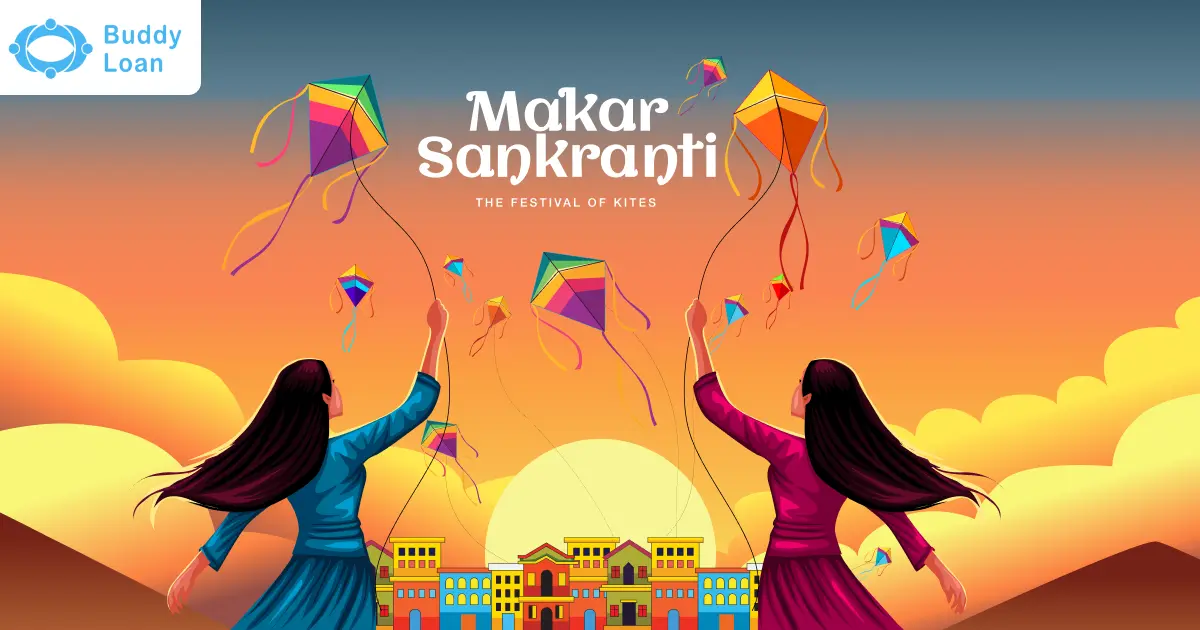
As we approach the first major festival of the calendar year, the economic and cultural engines of India prepare for a significant shift. Makar Sankranti is considered a celestial event; it marks the commencement of the harvest season, signalling vital liquidity injections into India’s rural economy.
For families and financial planners alike, this transition represents a time of renewal, investment, and auspicious beginnings. Whether you are tracking market holidays or planning cultural festivities, understanding the nuances of this date is crucial.
For 2026, Makar Sankranti will be celebrated on: Wednesday, January 14, 2026
Key Highlights of Makar Sankranti 2026
Makar Sankranti is a unique festival that operates on a solar cycle rather than the lunar one, making its Gregorian date remarkably stable. However, the scale of celebration varies drastically from national policy to hyper-local traditions.
Below is a breakdown of how this event permeates different layers of Indian society:
| Level | Highlights & Attractions | Key Celebrations |
| National Level |
|
|
| State Level |
|
|
| Localities |
|
|

History, Importance and Relevance of Makar Sankranti 2026
The relevance of Makar Sankranti extends far beyond religious observance; it is a pivot point for India’s agricultural and financial calendar. Historically, this period marked the end of winter’s stagnation and the resumption of trade routes and farming activities.
Solar and Astrological Significance
- Uttarayan: This day marks the beginning of the sun’s northward journey.
- Capricorn Transit: The sun enters the house of Saturn (Shani), fostering reconciliation.
- Daylight Shift: From this date, days become longer, increasing productivity hours.
- Vedic Roots: Ancient texts cite this as a time for spiritual enlightenment.
Mythological Context
- Bhishma’s Choice: In the Mahabharata, Bhishma waited for this auspicious day to breathe his last.
- Ganga’s Descent: Legend says River Ganga followed King Bhagirath to the ocean on this day.
- Sun & Saturn: A rare mythological moment where the Sun God visits his son, Saturn.
Economic and Agricultural Relevance
- Harvest Liquidity: Farmers begin selling winter crops, increasing rural purchasing power.
- Gold Demand: The onset of ‘auspicious time’ (Uttarayan) triggers a spike in gold buying.
- Market Sentiment: A good harvest festival often correlates with positive rural consumption data.
- Trade Reset: Historically, merchants settled old accounts and opened new ledgers post-Sankranti.
Suggested Read: Pongal Holidays
How Makar Sankranti is celebrated
The celebration of Makar Sankranti is a study in diversity, yet the underlying theme of ‘sweetness’ and ‘light’ remains constant. In Western India, particularly Gujarat and Maharashtra, the skyline transforms into a mosaic of kites.
The ‘Kai Po Che’ shouts are not just recreational; they drive a multi-crore kite manufacturing industry that peaks during this week. Families spend the entire day on terraces, engaging in friendly aerial combat while consuming winter-specific foods that boost immunity.
In the South, the vibe shifts to gratitude towards nature. The Pongal festival involves boiling the first rice of the season with jaggery until it overflows, symbolising abundance. This ritual is often accompanied by the decoration of cattle, acknowledging their role in the agrarian economy.
Meanwhile, in the North, millions brave the freezing waters of holy rivers. This act of purification is believed to absolve past sins, drawing massive crowds that boost local tourism economies significantly.

Get Personal Loan Online Up to ₹35 Lakhs
By entering your number, you're agreeing to Terms & Conditions & Privacy Policy.
Makar Sankranti 2026 Bank Holiday
For financial professionals and banking customers, knowing the holiday schedule is critical for planning transactions.
Date: Wednesday, January 14, 2026
Bank Holiday Status:
- Not a National Holiday: It is not a mandatory holiday for all banks across India under the Negotiable Instruments Act.
- State-Specific Closures: Banks will remain closed in states where the festival is prominent. This includes Gujarat, Maharashtra, Tamil Nadu, Andhra Pradesh, Telangana, Karnataka, and Sikkim.
- Operational Sectors: In states like Delhi or Punjab, banks may remain open, though staffing could be thin due to restricted holiday leaves.
- Digital Banking: UPI, IMPS, and Net Banking will remain operational 24/7 regardless of branch closures.
- Clearing Houses: Cheque clearing operations in the closed states will be suspended for the day, pushing settlements to Thursday, January 15.
If you have high-value RTGS transactions planned for mid-January, execute them by January 13 to avoid state-specific clearing delays.
Suggested Read: January Holidays
Makar Sankranti 2026 Activities
Schools play a pivotal role in keeping the cultural essence of Makar Sankranti alive for the next generation. Educational institutions often use this day to bridge the gap between urban students and agrarian traditions.
- Kite-Making Workshops: Students learn the aerodynamics and art of kite crafting.
- Cultural Showcases: Fancy dress competitions depicting regional variations (e.g., a student dressed as a Punjabi farmer vs. a Tamilian devotee).
- Charity Drives: Schools organise collection camps for old clothes to donate to the needy, teaching the value of ‘Daan’ (charity).
- Food Festivals: ‘Fireless cooking’ contests where children prepare sesame laddus or peanut chikkis.
Harvest Education: Guest lectures by farmers or agricultural experts to explain the crop cycle.
In residential localities, the conventions are more informal but equally engaging. Housing societies often pool funds to organise community lunches featuring ‘Khichdi’—a dish that symbolises nutritional balance and simplicity.
In Maharashtra, the exchange of ‘Halwa’ ornaments among new brides and children is a localised convention that supports small-scale artisans who craft these sugar jewellery pieces.
Conclusion
Makar Sankranti 2026 is poised to be more than just a date on the calendar; it is a socio-economic event that rejuvenates India’s spirit. From the granaries of Punjab to the tech hubs of Bangalore, the festival bridges the gap between tradition and modernity.
For the economy, it signals the release of harvest wealth; for the individual, it offers a spiritual reset. As we prepare for Wednesday, January 14, 2026, the message remains clear: embrace the change, invest in relationships, and look northward towards growth.
Download the Buddy Loan App Now!
One solution to each of your financial needs at your fingertip.

Scan to download now