You borrowed a small personal loan from a loan app to pay an urgent bill or cover a short-term emergency. The process was quick, and within minutes, you had the money. Then the due date passed… and things took a turn.
First, you get texts warning you to repay immediately. Then come messages talking about lawsuits, police complaints, or public exposure if you don’t pay. Your stress level climbs, and you start asking yourself: Is this real? Can a personal loan app legitimately take legal action? What if they don’t stop?
You’re not alone. A lot of borrowers face this confusion, especially with newer apps. This blog breaks it down for you: what threats are real, which ones are smoke and mirrors, and how to act smart to stay safe.
Some Personal Loan Apps Use Legal Threats
Some personal loan apps, especially the unregulated ones, rely on fear to recover money. Here’s how it usually goes:
You take a small personal loan. You miss the repayment date. Then the messages start pouring in. They mention lawsuits, arrests, or even threats to leak your personal information.
The language sounds serious, sometimes even legal, but it’s often exaggerated or completely fake. These threats are rarely backed by any real legal power. They’re mostly used to scare you into paying quickly, without asking questions.
What Happens Legally in Real Defaults?
If you’ve borrowed from a proper, RBI-registered lender, here’s what they must follow:
- Official notices and reminders are sent.
- The lender may propose restructuring your personal loan with revised EMIs or tenure.
- Legal action is only taken after escalation, and only after giving you proper notice and an opportunity to regularize payments.
- Harassment, intimidation, or sharing personal data is strictly prohibited under RBI guidelines.
So if what you’re receiving fits anything like a formal court summons, it’s operated by those who know legal protocols. If it’s informal messages with threats, it’s likely a scare tactic.
| Real Blackmail Tactics Seen on the Ground
There have been real cases where borrowers repay personal loans, yet still face harassment. Some apps threaten to leak personal data or fake nude images, and target someone’s entire contacts list. All of this is emotional manipulation and has no real legal backing. In well-documented instances, even after full repayment, borrowers were repeatedly extorted. And their profiles remained unaffected because no legitimate lender is behind the messages. |
Can Real Lenders Ever Threaten Legal Action?
Legitimate lenders absolutely can pursue legal action but only under strict, formal protocols:
- Actual legal notices sent via postal service or email.
- Documentation showing repeated missed payments and repayment offers.
- Cases filed in civil court or small claims tribunal, never informal chat messages.
- No “outright arrest threats,” no threats of public shaming, no midnight calls with menacing tones.
True legal action is a slower, regulated process, not a text message with bold red warnings.
What to Do If You’re Being Threatened
If a personal loan app is threatening you in informal ways, here are your smart steps:
- Pause, Don’t Panic: Take a breath. Informal threats rarely hold up legally.
- Check the Lender’s Credentials: A real lender shows RBI registration, has official support channels, and uses transparent communication. Rogue apps hide this.
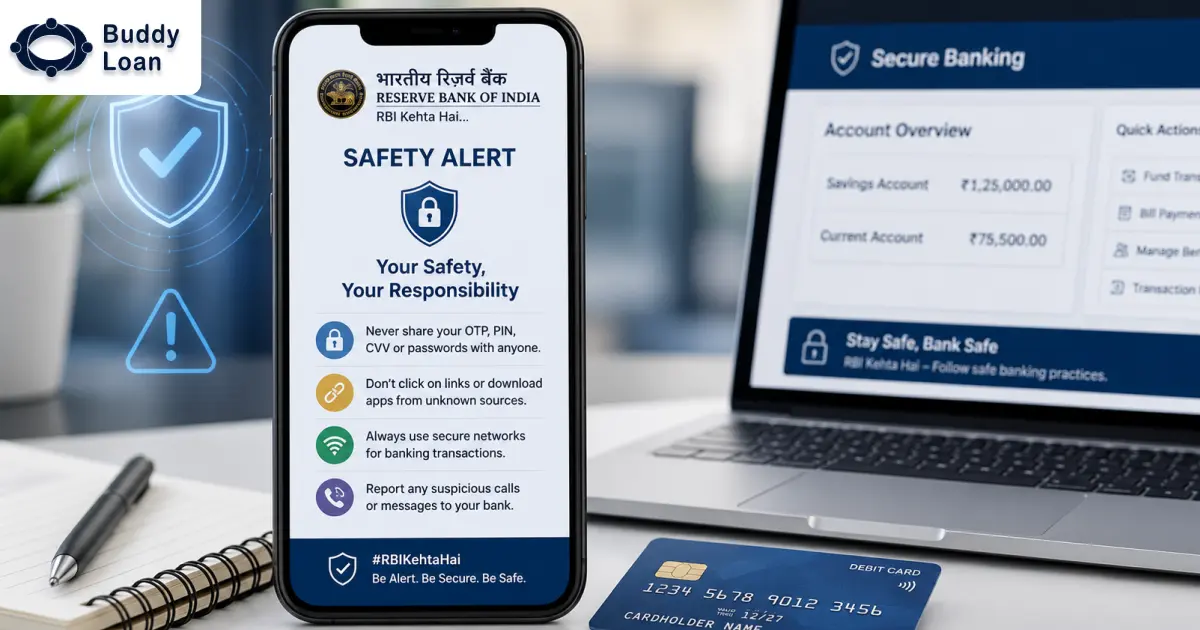
- Stop Sharing Personal Data: Never share OTPs, Aadhaar numbers, UPI PINs, or personal files with anyone online if you’re unsure.
- Report the App Immediately: Log a complaint on app stores, and if threats escalate, file a cybercrime complaint online. Sometimes removing the app breaks their access.
- Get Legal Advice If You Receive Formal Notices: If a court summons arrives, consult a consumer legal advisor before you respond.

To Avoid These Personal Loan Apps Altogether
Want to steer clear of risky loan apps? Follow this approach:
- Use only apps from RBI-registered NBFCs (non-bank finance companies).
- Never pay processing fees before you see a written personal loan agreement.
- Read app reviews carefully, search for “scam,” “harassment,” or “blackmail” in feedback.
- If an app asks for excessive permissions (like access to your SMS or contact list), step back.
- Confirm the legitimacy of the lender’s business before proceeding.
Quick Summary Table
| Situation | Is Legal Action Real? | What You Should Do |
| Threats from unregulated personal loan apps | Mostly false | Stop responding, report the app |
| Threats from a recognized lender with notice | Rare, but possible legally | Refer formal letter, seek legal help |
| Actual legal notices from the court | Real and enforceable | Consult a lawyer, respond responsibly |
A Word of Smart Advice
Legal threats from obscure personal loan apps are usually a bluff. A real lender follows formal procedures, respects RBI norms, and communicates transparently. If you feel pressured, there’s a good chance it’s not real.
Guide Borrow Safely and Confidently
Start by checking your credit score for free using Buddy Score, knowing where you stand helps avoid problems later. When you’re ready to take out a personal loan, try Buddy Loan. It’s not a lender, it’s a fintech platform that connects you with trusted, verified lenders who follow the rules. You get to see real offers and choose what fits your needs, without being hounded by fake threats.
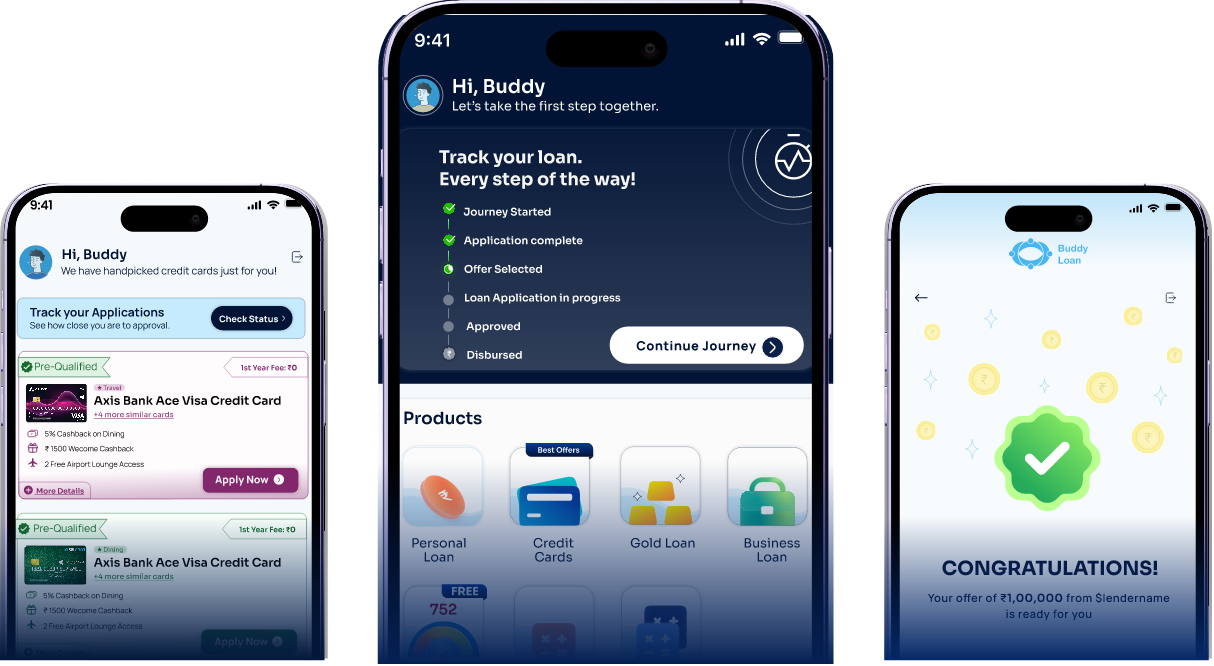
Download the Buddy Loan App Now!
One solution to each of your financial needs at your fingertip.

Scan to download now