Ever been anxious waiting for your salary to hit or your EMI to go through? From July 2025, those worries may fade, thanks to the rollout of NACH 3.0—a major upgrade from NPCI that’s set to overhaul how India handles recurring payments.
This can change the landscape of automated and non-automated timely payments; regardless of whether you’re salaried, self-employed, or managing multiple EMIs, this upgrade is built for you.
Read on to learn what’s changing and what you need to do to stay ahead.
What Is NACH & Why Is 3.0 a Big Deal?
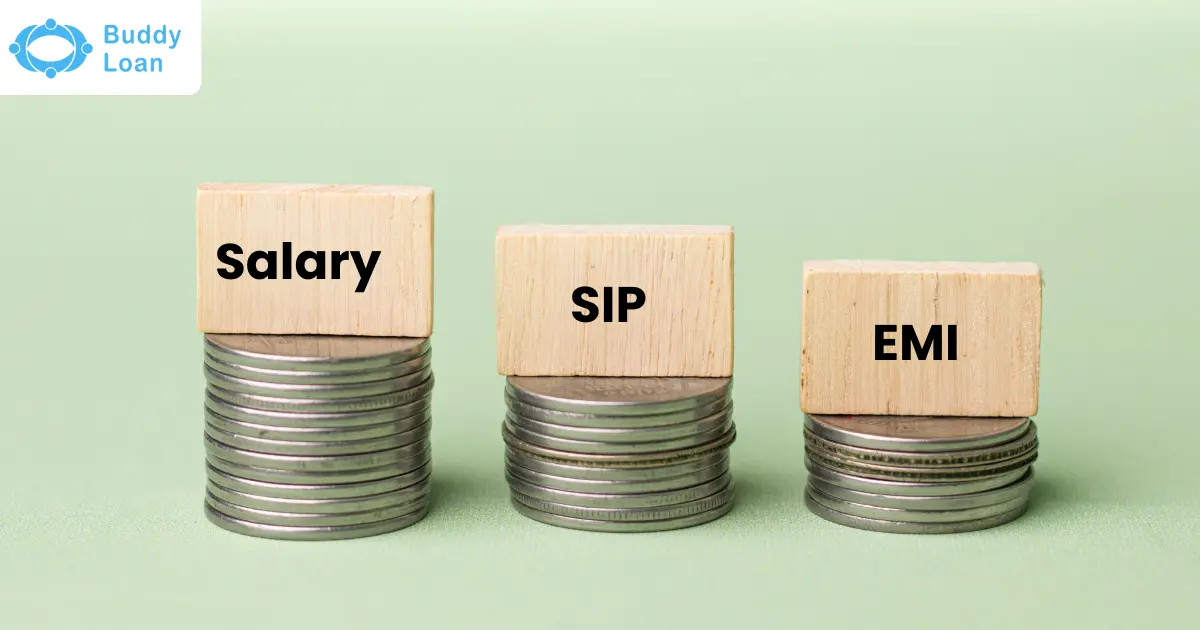
Simply put, NACH is what powers many of your regular financial transactions—salaries, loan EMIs, insurance premiums, mutual fund SIPs, utility bills, and even government subsidies. Think of it as the backbone for your monthly salary credits, loan EMI payments, mutual fund SIPs, insurance premiums, utility bills, and government subsidies.
| The National Automated Clearing House (NACH) is a centralised system operated and managed under NPCI that facilitates high-volume, repetitive, and periodic interbank transactions. |
Version 3.0 is not a minor patch. It’s a full-scale upgrade announced by NPCI in June 2025, benefiting both banks and customers.
NACH 3.0 represents a significant upgrade to India’s automated bulk payment system.
It transitions from previous versions by introducing enhanced security (encryption, MFA), faster processing times for payments like salaries and EMIs, and real-time monitoring for banks. This overhaul aims for a more robust, efficient, and user-friendly experience for all recurring transactions.
Let’s take a deeper dive.

Faster Processing, Less Waiting with NACH 3.0
In 2024, India processed over 2.8 billion recurring transactions via NACH, ranging from salaries and EMIs to SIPs and subsidies. Yet, delays in settlement often disrupted customer trust and caused disturbances, especially for time-sensitive credits like salaries or insurance payments
The days of late salary credits or EMI delays are gone. With enhanced file handling, NACH 3.0 can process a larger volume of transactions in less time.
What this means is that
- Salary hits your account faster, so you can plan your month better.
- EMIs and SIPs get debited more smoothly, reducing failed transactions.
- Subsidies and pensions arrive quicker, a big relief for beneficiaries.
Here’s What You Should Do
Keep your bank details updated with your employer, loan provider, or SIP manager to avoid disruptions when the new update is implemented—just making sure things are smooth.
Enhanced Security; More Peace of Mind
In FY 2024–25 alone, India recorded over ₹1,200 crore in banking frauds involving digital transactions. With recurring payments touching every household—be it SIPs, EMIs, or salaries—the risk exposure is massive.
NACH 3.0 acknowledges this reality and proactively hardens the system against evolving cyber threats. Recurring payments now come with tighter locks:
→ End-to-End Encryption across all channels
→ Multi-Factor Authentication (MFA) for users
→ No plain-text downloads—only PGP-encrypted files
→ Detailed audit trails to track every move
Here’s What You Should Do:
If you access banking portals or upload mandates often, check if you need to update your login credentials or security steps.

Real-Time Alerts & Monitoring: Goodbye Surprises
In FY 2024–25, nearly 1 in every 120 recurring transactions faced processing issues—from mandate rejections to unnoticed failures—largely due to delayed reporting across banking systems.
With Nach 3.0, banks will now monitor transaction activity live, not hours later. That means faster issue detection, fewer surprises for you.
- Real-time dashboards to track errors and rejections
- Live alerts for suspicious patterns or mandate failures
Here’s What You Should Do:
Ensure your contact details (email/SMS) are updated with your bank to receive these alerts promptly.
Bank Systems Are Getting Smarter—And You Are The Ones Benefiting!
Behind every seamless transaction you experience, there’s a web of bank-side coordination happening in real time. With NACH 3.0, banks are now equipped to resolve glitches without waiting for daily batch updates, cutting downtime and support lags.
A smarter backend is made available, which means fewer calls to customer care, less waiting around, and more instant action, whether you’re tracking a missed EMI or a delayed salary credit.
Though the improved GUI and dashboard are built for banks, the benefits trickle down:
⇒ Fewer processing delays
⇒ Better resolution for failed payments
⇒ Streamlined communication between banks and NPCI
If you run a business or manage high-volume transactions, it is wise to discuss with your bank how NACH 3.0 might speed things up for you.
Why This Matters to You
Let’s face it—automation is supposed to make life easier. But when something fails (salary stuck, SIP bounced), it ruins your day.
NACH 3.0 is a big step toward fixing that. It’s not just tech for banks—it’s trust for you. And if you’re looking to take better control of your finances, it is always best to plan ahead. Understand your repayment schemes and EMIs before you opt for a loan or SIP.
For example, in situations where you are planning for a personal loan or some other scheme that you will be paying back in installments, an EMI calculator is one of the best tools to help you plan ahead of time.
If you are someone looking for loan options, you’ll be glad to know that platforms like Buddy Loan are already aligned with faster, Aadhaar-based e-KYC and instant approval systems.
With Buddy Loan, you don’t just apply—you connect with trusted lenders suited to your profile. Because Buddy Loan is not a lender, it is a platform where India’s top lenders make themselves available with the best offers.
In Summary,
Starting July 2025, recurring payments in India are getting a well-deserved upgrade. Thanks to NACH 3.0, your EMIs, salaries, and bills won’t just move faster—they’ll move smarter and more securely, with fewer surprises and more peace of mind.
Think of it as the invisible assistant who never takes a coffee break and always gets your salary, EMIs, and SIPs where they need to go on time, every time. It’s automation with accountability—and it’s about time.