Starting October 1, 2025, a significant change is coming to UPI’s peer‑to‑peer (P2P) features.
The National Payments Corporation of India (NPCI) has directed banks and UPI apps to discontinue the ‘collect request’ function in person‑to‑person transactions. The move is intended to reduce fraud risks and strengthen security across India’s most popular digital payment platform.
But what is a P2P, and how does it affect common people such as you and me? Read on to learn how this can mean safer finance for you.
NPCI on P2P Transactions and Frauds
The NPCI circular, dated July 29, 2025, mandates that all member banks, payment service providers (PSPs), and UPI apps must stop initiating, routing, or processing P2P collect requests from October 1 onward.
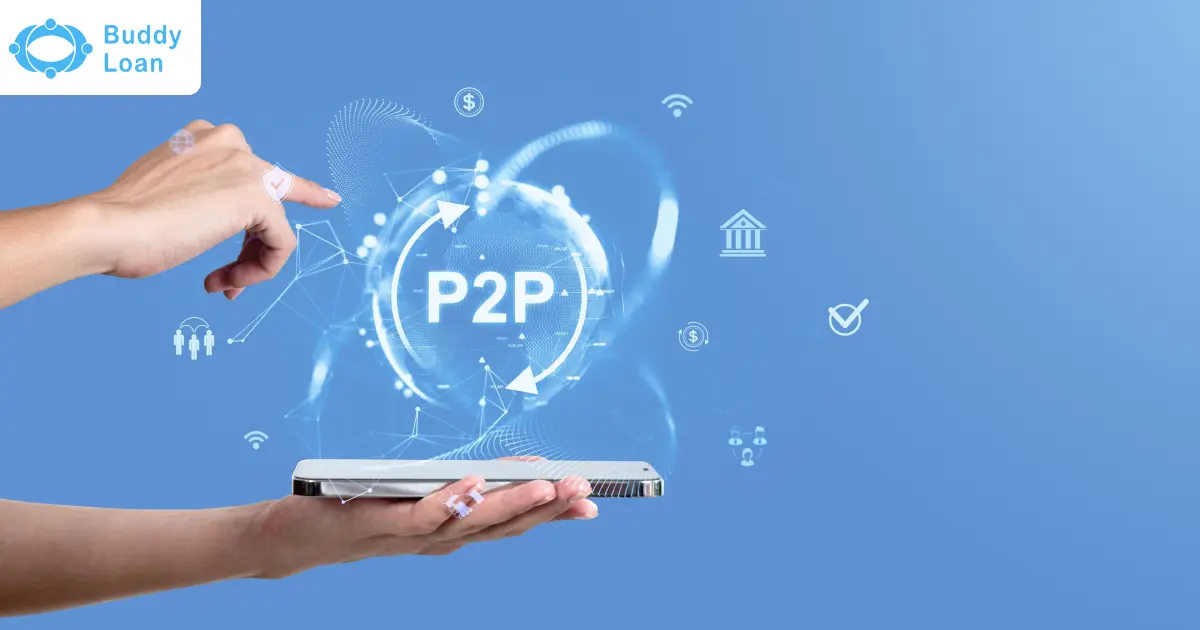
What is P2P?
Well, Peer-to-peer (P2P) in UPI refers to money transfers directly between individuals, such as when you send or request money from a friend or family member. It does not involve any merchants or businesses.
The transition means that users can no longer send or receive a ‘please pay me’ request through UPI when dealing with friends, family, or other individuals using the collect feature.
Importantly, merchant collect requests (from retailers, platforms, and service apps) will still be allowed. That means if you have enabled auto debit on your Google Pay, it will still work. The restrictions apply only to person‑to‑person collect flows.

Why NPCI Is Making the Change
The collect request feature, also called a ‘pull transaction’, permitted one individual to request money from another. While initially intended for convenience, like reminding someone to pay back a small amount or splitting bills, it became a vector for fraudulent activity.
Scammers would send fake collection requests and trick users into approving payments.
NPCI had already imposed limits earlier. For example, setting a per‑transaction cap of ₹2,000 and limiting up to 50 successful P2P collect transactions per day.
Despite these safeguards, misuse persisted, prompting this broader removal.
NPCI’s Steps for Strengthening Security & Trust
By removing P2P collect requests, NPCI is closing one of the more useful yet vulnerable paths in UPI’s ecosystem. The change is part of a broader effort to shore up confidence in digital payments, protect users, and reduce the burden of fraud resolution.
How UPI Transactions Will Work Post‑October
With the removal of P2P collect requests, all person-to-person UPI transactions will now need to be initiated by the person sending the money. This method is known as a ‘push payment’, where the payer starts the transaction voluntarily, rather than responding to a request.
Common ways to send money include:
- Entering the recipient’s UPI ID, mobile number, or bank account details
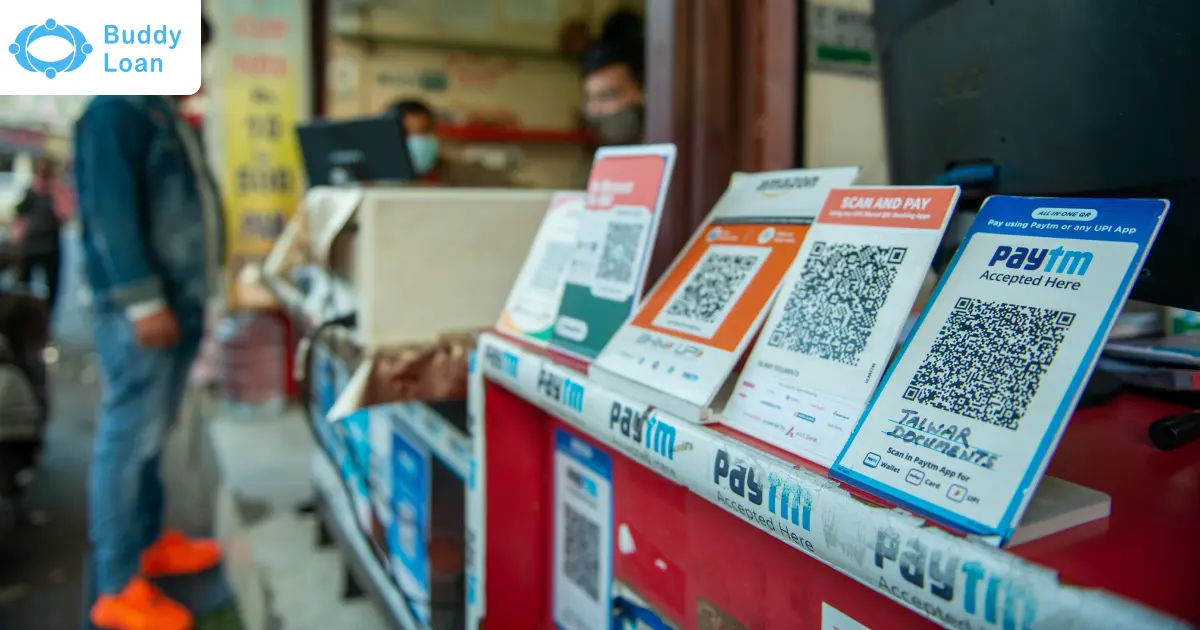
- Scanning a QR code
- Using built-in split-payment features in apps
This approach ensures that users have complete control over every payment they make, reducing the risk of accidental or fraudulent approvals.

What Doesn’t Change on UPI
You can still send money instantly using UPI via the usual routes (ID, QR, etc.).
Payments to merchants using collect requests remain unaffected. When you buy on platforms like Flipkart, Swiggy, IRCTC, or Amazon, they may send a collect request, but you must explicitly approve it via PIN.
Systems, apps, and banks will be updating their backend processes to block any P2P collect initiation or routing beyond the deadline.
What UPI Users Should Know & Do
There are some things that you, as a user, must bring into your practice:
1. Losing the collect request feature means you’ll no longer have that ‘send me money’ shortcut.
Instead, if you want someone to pay you, you’ll need to ask them to initiate the transaction—perhaps by sharing your UPI ID, generating a QR code, or sending a reminder yourself. While this is a small inconvenience, it’s intended to make the system safer.
2. Be Extra Careful with Requests.
After the change, it becomes even more important to verify any money requests within UPI. Because you’ll be initiating payments directly, there’s less room for fake or deceptive requests to slip in unnoticed.
3. Use QR codes or UPI IDs more frequently.
Encourage adoption of built‑in split‑bill features instead of relying on request reminders. Stay aware that merchant request flows are still valid, but only with user consent and PIN confirmation.
Final Thoughts
With the cessation of P2P collect requests, NPCI is making a clear bet on security over convenience. For everyday users, UPI remains robust, fast, and easy to use, just with one less feature.
Going forward, digital payment users will benefit from a system where all P2P movement is explicitly initiated and controlled by the payer, minimising unexpected or fraudulent debits.
As part of India’s evolving digital payments infrastructure, this decision underscores the commitment to strengthening trust, reducing fraud, and ensuring that UPI remains a safe backbone for everyday transactions.
Download the Buddy Loan App Now!
One solution to each of your financial needs at your fingertip.

Scan to download now