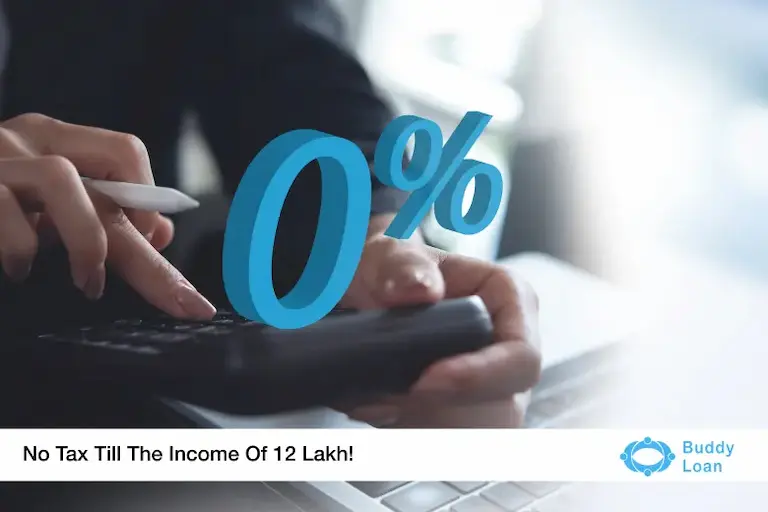
Big relief for taxpayers! The new tax regime proposed in the 2025 Budget offers zero tax liability for individuals with an income of up to ₹12 lakh. This announcement has brought a wave of excitement for salaried individuals and small business owners, promising significant savings and a simplified tax structure. But is it really that simple?
Let’s delve into the details of this groundbreaking change, explore its implications, and understand how you can maximize its benefits.
New Tax Slab 2025 – A Simplified Structure
The Budget 2025 has introduced a revised tax slab structure aimed at simplifying the tax filing process and providing relief to a large segment of the population. The most significant change is the zero tax liability for income up to ₹12 lakh. This is a substantial increase from the previous threshold and will undoubtedly leave more money in the hands of taxpayers.
To understand the impact of this change, let’s compare the old tax regime with the new one:
| Income Range | Tax Rate in 2024 (Old Regime) | Tax Rate in 2025 (New Regime) |
| Up to ₹3 lakh | 0% | 0% |
| ₹3 lakh – ₹6 lakh | 5% | 0% |
| ₹6 lakh – ₹9 lakh | 10% | 0% |
| ₹9 lakh – ₹12 lakh | 15% | 0% |
| Above ₹12 lakh | Taxable at higher rates | Taxable at higher rates (Revised Slabs) |
As you can see, the new regime significantly reduces the tax burden, particularly for those earning between ₹3 lakh and ₹12 lakh. This translates to substantial savings for middle-class families and individuals. While the details of the revised slabs above ₹12 lakh are still being finalized, it’s anticipated that they will also offer some relief compared to the old regime.
While the zero-tax slab up to ₹12 lakh is a welcome change, it’s crucial to understand the nuances of the new tax regime. One important aspect to consider is the standard deduction.

Standard Deduction
The standard deduction is a fixed amount that salaried individuals and pensioners can deduct from their total income, reducing their taxable income. In the Budget 2025, the standard deduction has been revised, offering additional relief to taxpayers.
- Revised Standard Deduction for 2025: ₹75,000 (previously ₹50,000)
- Additional Standard Deduction for Pensioners: ₹1 lakh for senior citizens
| Example Calculation:
Let’s assume an individual earns ₹12 lakh annually. Here’s how the standard deduction affects their tax liability: 1. Calculate the taxable income:
2. Apply the new tax regime:
|
Benefit For Taxpayers
The implications of this new tax regime are far-reaching and will benefit taxpayers in several ways:
- Increased Savings: The most obvious benefit is the significant increase in savings. With no tax payable on income up to ₹12 lakh, individuals will have more disposable income. This extra cash can be used for various purposes, from paying off debts to investing in the future.
- Boost to Middle-Class Households: The middle class, which forms a significant portion of the Indian population, will be the biggest beneficiary of this change. The increased disposable income will provide much-needed financial relief and allow families to better manage their budgets.
- Encouraging Investments: With more disposable income, individuals will have a greater opportunity to invest in various financial instruments like mutual funds, bonds, and savings schemes. This can lead to long-term wealth creation and financial security.
- Simplified Tax Filing: The new regime simplifies the tax filing process, making it easier for individuals to understand and comply with tax regulations. This reduces the complexity and stress associated with tax season.
What Should You Do with the Extra Savings?
Now that you have more money in your pocket, it’s crucial to use it wisely. Here are some suggestions on how you can utilize your tax savings:
- Invest in Financial Instruments: Consider investing in mutual funds, PPF, or fixed deposits to grow your wealth over the long term. Consult with a financial advisor to determine the best investment strategy for your needs and risk tolerance.
- Pay Off Debts: If you have any outstanding debts, such as home loans or personal loans, consider using your savings to pay them off. This will reduce your interest burden and improve your financial health.
- Plan a Dream Vacation: Life is not just about work; it’s also about enjoying experiences. Use a portion of your savings to plan a long-awaited vacation with your family or friends.
- Build an Emergency Fund: It’s always wise to have a financial safety net for unexpected events. Allocate a portion of your savings to build a robust emergency fund that can cover at least six months of living expenses.
- Upgrade Your Skills: Investing in your skills and education can lead to better career opportunities and higher income potential. Consider using your savings to take courses or pursue further studies.
Things You Need to Keep in Mind
- No Deductions Under Old Sections: If you opt for the new tax regime, you cannot claim deductions like 80C (investments), 80D (health insurance), or home loan interest (Section 24B). Make sure to weigh the benefits of the new regime versus the old one.
- Check Your Actual Savings: While the new tax regime offers simplicity, high-income earners with multiple investments might still benefit more from the old regime. Calculate and compare both options before filing.
- Pensioners and Senior Citizens: Senior citizens should check the additional deduction benefits available for health insurance and interest income under separate provisions.
- Business Owners and Freelancers: This regime is especially advantageous for those without regular deductions and exemptions since the tax rate is simplified.
Also Read: Tax Saving Options for Salaried Employees
Conclusion
The Budget 2025’s new tax regime is a potential game-changer for taxpayers in India. With zero tax liability up to ₹12 lakh, a higher standard deduction, and fewer complications, this is the perfect time to rethink your financial planning. Ensure you understand the implications and choose the tax regime that works best for you. Don’t just enjoy the extra money; plan wisely to secure your financial future. Consult with a financial advisor if needed to make informed decisions about your investments and tax planning. This budget offers a unique opportunity to build a stronger financial foundation, so make the most of it!
Download the Buddy Loan App Now! One solution to each of your financial needs at your fingertip. Scan to download now



Frequently Asked Questions
Q. I earn ₹10 lakh annually. Will I have to pay any income tax under the new regime?
A. Under the proposed new tax regime, if your total income is ₹10 lakh or less, and after considering the standard deduction (₹75,000), your taxable income falls below ₹12 lakh, you will likely not have to pay any income tax. However, this assumes you are not claiming any other deductions under the old regime (like 80C, 80D, etc.). It’s always best to calculate your specific tax liability to be certain.
Q. I invest regularly in ELSS funds under Section 80C. Will I still be able to claim this deduction if I opt for the new tax regime?
A. No. If you choose the new tax regime, you will forgo the ability to claim deductions under various sections like 80C, 80D, 24B (home loan interest), etc. You’ll need to weigh the benefits of the lower tax rates in the new regime against the deductions you currently claim in the old regime to determine which is more beneficial for you.
Q. Is the ₹12 lakh tax-free limit applicable to everyone, including senior citizens?
A. Yes, the ₹12 lakh tax-free limit is applicable to all individual taxpayers. Senior citizens also benefit from this. They also have a separate additional standard deduction available.
Q. When will this new tax regime come into effect?
A. The new tax regime is proposed in the Budget 2025. You should look for official announcements regarding the effective date. Typically, budget proposals take effect from the new financial year.
Q. I am a salaried individual. Do I need to do anything specifically to opt for the new tax regime?
A. The exact process for opting for the new tax regime will be clarified closer to its implementation. Generally, you will be given an option to choose between the old and new tax regimes when filing your income tax returns. It’s advisable to stay updated with the latest announcements from the income tax department.