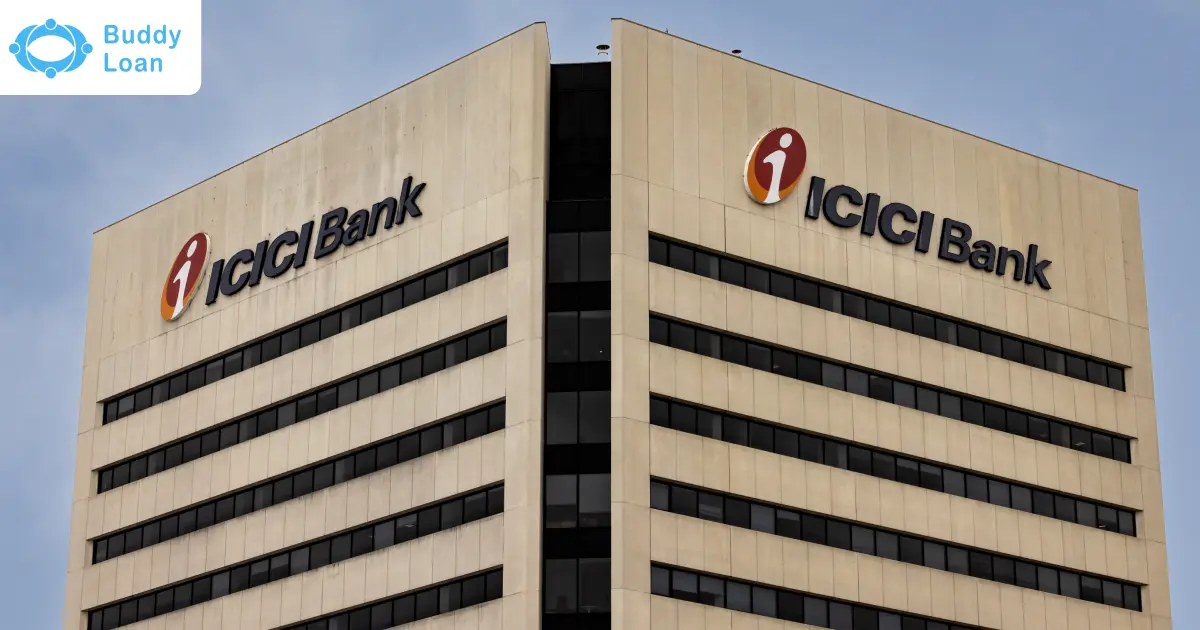
In a major relief to customers following widespread public backlash, ICICI Bank has rolled back its steep minimum average balance (MAB) hike announced earlier this year. The private lender has now revised the MAB requirement down significantly for new savings accounts opened on or after August 1, 2025.
This update is critical for anyone considering opening a new ICICI Bank savings account and also reflects the bank’s response to customer feedback and market realities. Here’s a detailed look at the latest changes, implications, and how it compares to other lenders.
Revised Minimum Average Balance (MAB) Requirements Effective August 1, 2025
ICICI Bank has significantly softened its earlier minimum balance hike, bringing the MAB down to more reasonable levels to make banking accessible for more customers.
| Branch Location | Earlier Announced MAB (₹) | Revised MAB After Rollback (₹) |
| Metro & Urban | 50,000 | 15,000 |
| Semi-Urban | 25,000 | 7,500 |
| Rural | 10,000 | 2,500 |
- These new revised MAB levels apply only to new savings accounts opened from August 1, 2025.
- Existing accounts are not affected unless otherwise notified by the bank.
- Penalties apply if the average balance falls below these revised minimums.
Suggested Read: Check ICICI Bank Balance Online
Accounts Exempt From Minimum Balance Requirement
Certain account categories are exempt from any MAB requirement, continuing to operate as zero-balance accounts:
- Salary Accounts
- Senior Citizens / Pensioners (below 60 years) for select categories
- Accounts under Basic Savings Bank Deposit Account (BSBDA)
- Pradhan Mantri Jan Dhan Yojana (PMJDY) accounts
- Accounts for people with special needs
Penalties for Falling Below MAB
If you fail to maintain the MAB, ICICI Bank charges a penalty of:
- 6% of the shortfall amount in monthly average balance, or
- ₹500, whichever is lower
This penalty structure remains unchanged despite the rollback.
Why Did ICICI Bank Rollback the Minimum Balance Hike?
ICICI Bank had initially raised the MAB fivefold for metro branches from ₹10,000 to ₹50,000, sparking intense criticism nationwide. The backlash centered around concerns that the hike unfairly burdens middle- and lower-income customers, many of whom find maintaining such high balances difficult.
Following valuable feedback from customers and widespread negative public sentiment, the bank moderated its stance drastically to:
- Make banking accessible to a broader customer base
- Avoid alienating its retail clients
- Respond to economic realities where a majority of Indians earn less than ₹25,000 per month
- Balance operational goals with customer expectations

How is MAB Calculated?
Understanding MAB calculation is key to avoiding penalties. Here’s a simple example to help you track and manage your account balance.
MAB Formula:
MAB=Total of Daily Closing Balances/Number of Days in the Month
| Example: You open a new ICICI savings account in a metro branch with a ₹15,000 MAB requirement.Your daily balances for a 30-day month are:
Calculation: Since your MAB exactly meets the revised requirement of ₹15,000, no penalty will be charged. But if it were even ₹1 below, a penalty proportional to the shortfall would apply. |
Suggested Read: Best Zero Balance Accounts in India
How Does ICICI’s Revised MAB Compare to Other Banks?
| Bank | Metro/Urban MAB (₹) | Semi-Urban MAB (₹) | Rural MAB (₹) | Notes |
| ICICI Bank (New acct) | 15,000 | 7,500 | 2,500 | 6% penalty or ₹500 for shortfall; exemptions apply |
| HDFC Bank | 10,000 | 5,000 | 2,500 | Penalties waived if fixed deposit maintained |
| Axis Bank | 12,000 | 10,000 | 10,000 | Waivers with fixed deposits |
| Kotak Mahindra Bank | 10,000 | N/A | N/A | Similar penalty structure |
| Yes Bank | 25,000 or 50,000 | N/A | N/A | Penalties for non-maintenance |
| Public Sector Banks | Nil | Nil | Nil | No minimum balance or penalties |
Public sector banks like State Bank of India (SBI), Punjab National Bank (PNB), Canara Bank, and Bank of India continue to offer zero minimum balance accounts encouraging financial inclusion.
What Other Service Charges Remain?
While the minimum balance has been reduced, many service-related charges remain unchanged, so customers should be aware of these costs.
| Service / Description | Charges & Limits |
| Cash deposits/withdrawals at branch or CRM | 3 free/month; then ₹150 per transaction |
| Monthly cash transaction value limit | ₹1 lakh free; above that ₹3.5 per ₹1,000 or ₹150 (whichever is higher) |
| Non-ICICI ATM transactions (metro cities) | 3 free/month; then ₹23 (financial) / ₹8.5 (non-financial) |
| Cheque / ECS / NACH returns | ₹500 per ECS/NACH debit return (max 3/month);
₹200 per outward cheque return (financial); ₹500 per inward cheque return (financial); ₹50 per inward cheque return (non-financial) |
| Declined ATM/POS transactions (due to insufficient funds) | ₹25 per instance |
These charges signal a continuing shift towards digital banking and cost optimization.
Also Read: ICICI Bank Customer Care
What This Means for Customers
The rollback in ICICI Bank’s minimum balance requirements offers customers greater flexibility, but it also highlights the ongoing gap between private and public sector banking strategies.
Key takeaways for customers:
- More accessible banking: Lower thresholds make it easier for urban and semi-urban customers to open and maintain ICICI savings accounts.
- Reduced penalty risk: Customers with modest balance capacities can now avoid charges more easily.
- Protection for vulnerable segments: Exemptions for salary accounts, senior citizens, pensioners, special-needs accounts, and zero-balance products remain intact.
- Private vs. public sector gap: ICICI’s balances are still higher than public banks, which often have zero MAB requirements.
- Strategic focus remains: The bank continues to position itself towards premium customers and value-added services despite the rollback.
Conclusion: Navigating the Changed Landscape
ICICI Bank’s decision to scale back the minimum average balance requirement for new metro and urban savings accounts from ₹50,000 to ₹15,000 reflects a more customer-friendly approach that balances profitability with accessibility. This rollback offers much-needed relief to individuals who may have struggled with the earlier steep threshold, while exemptions for salary, senior citizen, special-needs, and zero-balance accounts continue to protect vulnerable segments.
At the same time, it serves as an important reminder for customers to stay aware of their account terms, assess their ability to meet minimum balance rules, explore alternative banking options if necessary, and embrace digital transactions to reduce costs. Ultimately, the change underscores the importance of making informed banking decisions that align with one’s financial habits and long-term goals.
Download the Buddy Loan App Now!
One solution to each of your financial needs at your fingertip.

Scan to download now