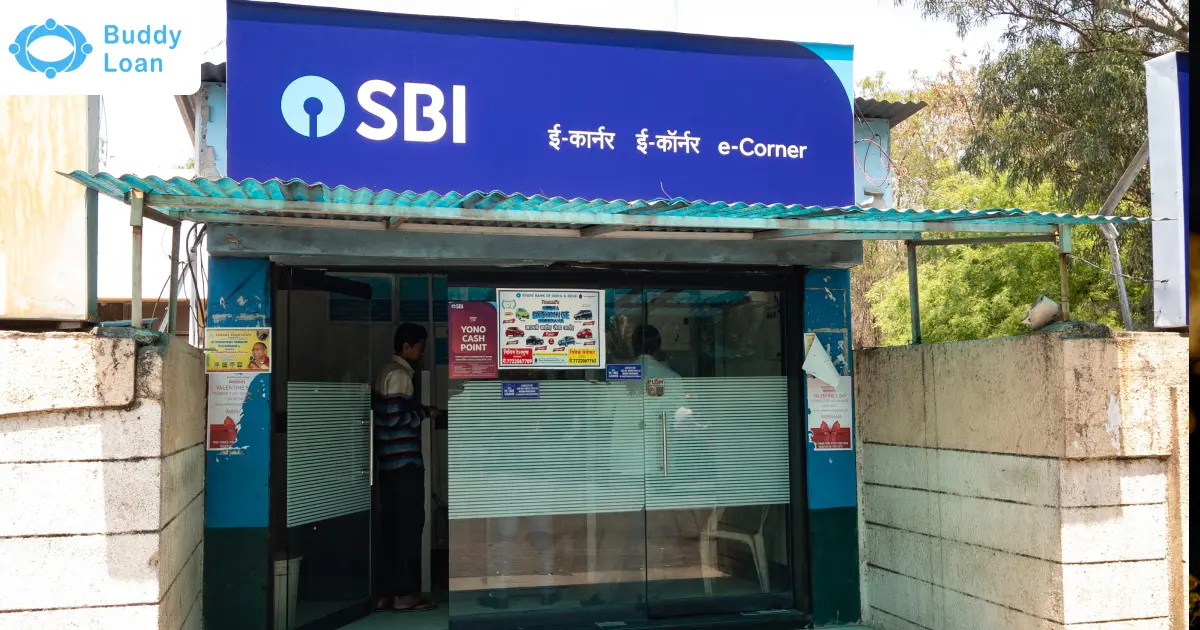
With India’s largest ATM network, SBI remains the backbone of cash access for millions of customers. However, in 2026, ATM withdrawal limits and charges depend heavily on the type of debit card you hold and how often you use ATMs.
This blog explains SBI ATM withdrawal limits in 2026, including daily limits by card type, OTP rules, monthly free transaction limits, and practical tips to manage cash withdrawals efficiently.
Daily SBI ATM Withdrawal Limits by Debit Card Type
The daily withdrawal limit defines the maximum cash you can withdraw in 24 hours, regardless of how many transactions you make.
SBI Daily ATM Withdrawal Limits (2026)
| SBI Debit Card Type | Daily Withdrawal Limit |
| Classic / Maestro | ₹40,000 |
| Global International Debit Card | ₹40,000 |
| sbiINTOUCH Tap & Go | ₹40,000 |
| Mumbai Metro Combo Card | ₹40,000 |
| My Card International | ₹40,000 |
| Gold International Debit Card | ₹50,000 |
| Platinum International Debit Card | ₹1,00,000 |
| Business Platinum Mastercard | ₹1,00,000 |
Minimum withdrawal amount: ₹100.

OTP-Based ATM Security Rules
To enhance security, SBI has implemented OTP-based verification for higher-value withdrawals.
- Withdrawals up to ₹10,000 require only the ATM PIN
- Withdrawals above ₹10,000 require an OTP sent to your registered mobile number
Without OTP confirmation, the transaction cannot be completed.
Free ATM Transactions at SBI and Other Bank ATMs
Customers receive a limited number of free ATM transactions every month.
Monthly Free Limits and Charges
| Category | Free Limit | Charges After Limit |
| SBI ATMs | Location-based | ₹10 + GST |
| Other Bank ATMs (Metro) | 3 | ₹23 + GST |
| Other Bank ATMs (Non-Metro) | 5 | ₹23 + GST |
| Non-Financial Transactions | Included | ₹11 + GST |
Salary account holders may receive up to 10 free other-bank ATM transactions.
Also Read: Revised SBI IMPS Charges
How to Change SBI ATM Withdrawal Limits
SBI allows customers to modify their ATM withdrawal limits easily through both digital and offline channels. Adjusting your withdrawal limit can be useful if you need higher cash access temporarily or want to lower limits for better account security.
1. Change ATM Withdrawal Limit via YONO App
The YONO app is the quickest and most convenient option for most users.
- Log in to the YONO SBI app using your credentials
- Go to the Services section
- Select ATM Withdrawal Limits or Debit Card Services
- View your current daily withdrawal limit
- Increase or decrease the limit as required
- Confirm the change using OTP authentication
- Once confirmed, the revised limit usually becomes effective immediately.

2. Change ATM Withdrawal Limit via SBI Net Banking
Customers who prefer desktop banking can update limits through internet banking.
- Log in to SBI Internet Banking
- Navigate to e-Services
- Select ATM Card Services
- Choose the option to manage or modify withdrawal limits
- Enter the new desired limit and submit the request
- Authenticate the change using OTP
This method is useful for customers who do not actively use the YONO app.
3. Change ATM Withdrawal Limit by Visiting a Branch
If digital access is unavailable or if you want a permanent change beyond standard limits, a branch visit may be required.
- Visit your home branch with a valid ID proof
- Submit a written request to change your ATM withdrawal limit
- The request is subject to account history, card type, and bank approval
- The revised limit is usually applied after internal verification
Tips for a Smooth ATM Experience in 2026
Following these tips can help avoid declined transactions and extra charges:
- Use YONO Cardless Cash Withdrawal for free transactions
- Track free transactions using SMS alerts or the YONO app
- Always shield the keypad while entering your PIN
- Reset your ATM PIN digitally if your card is blocked
Final Takeaway
SBI’s ATM rules in 2026 emphasize security, controlled cash usage, and digital alternatives. By choosing the right debit card and using cardless withdrawals wisely, customers can enjoy seamless access to cash while keeping costs low.
Download the Buddy Loan App Now!
One solution to each of your financial needs at your fingertip.

Scan to download now