India’s GST 2.0 reforms, announced by Prime Minister Narendra Modi for Diwali 2025, are creating a buzz across industries. While the primary aim of these reforms is to simplify India’s indirect tax system, their impact will be felt in many areas, including the digital entertainment sector.
In this blog, we’ll explore how these changes could affect OTT platforms like Netflix and Disney+Hotstar.
India’s GST 2.0: What’s Changing?
The government is working on simplifying the Goods and Services Tax (GST) system by reducing the number of tax slabs. GST 2.0 aims to simplify India’s tax system by reducing the number of slabs to just two: 5% and 18%, with a special 40% rate for luxury goods like tobacco and high-end automobiles.
The Potential Impact on OTT Subscriptions: A Changing Market
With the proposed GST 2.0 reforms, the main shift for OTT services is not in the tax rate itself but in how the broader economic environment will evolve.

New GST Impact on OTT Platforms Like Netflix and Disney+Hotstar?
The 18% GST on OTT services remains unchanged, but the broader economic impact may make consumers more willing to spend on subscriptions.
- Increased Disposable Income: Lower prices on goods may boost disposable income, leading to more spending on digital subscriptions.
- Easing of Inflation: Lower consumer prices in other sectors, like groceries or appliances, may reduce household budget pressure, freeing up money for entertainment.
- Spending Shift: Consumers saving on essential goods might redirect those savings toward digital subscriptions.
- Challenges for OTT: Despite potential growth in spending, OTT platforms may face challenges from state-imposed taxes, which could complicate pricing and consumer experience.
Diversifying Business Models: Subscription vs. Advertising
One of the key strategies being employed by OTT platforms is diversifying their revenue models to weather potential regulatory challenges and better cater to the price-sensitive Indian market.
SVOD (Subscription Video on Demand)
- Users pay a monthly or annual fee for unlimited content access.
- Core model for platforms like Netflix and Disney+Hotstar.
- Challenges arise with potential state-imposed taxes, prompting platforms to explore ways to reduce tax impacts on consumers.
AVOD (Advertising Video on Demand)
- AVOD platforms, like Disney+Hotstar, integrate ads to cater to price-sensitive consumers, offering free content supported by ads.
- Helps mitigate the effects of subscription tax hikes by focusing on ad revenue instead of directly taxing the consumer.
Hybrid Models
- Combines SVOD and AVOD, offering both subscription and ad-supported tiers.
- Example: Netflix’s ad-supported tier at a lower price, catering to price-sensitive consumers.
- Balances pricing pressures from potential tax hikes and makes content more accessible to a wider audience.

Impact of GST 2.0 on Subscription Costs
- GST on OTT: While the 18% GST on OTT services remains unchanged, state-level taxes may increase subscription prices, leading to regional price discrepancies
- Consumer Impact: While GST cuts on everyday goods may reduce household costs, additional state-level entertainment taxes could raise the tax burden on digital services.
- Content Variety & Localization: To justify subscription prices, OTT platforms must invest in localized content across regional languages to cater to diverse Indian audiences.
State-Level Taxes and Fragmentation
While the GST 2.0 reforms offer significant benefits to the broader economy, the OTT sector faces a regulatory challenge that could disrupt the “One Nation, One Tax” principle. This challenge stems from the potential return of state-level taxes on digital services, such as OTT subscriptions, which could lead to a fragmented tax system.
The Risk of Double Taxation
- State-Level Taxes on OTT Platforms: They could create a fragmented system, complicating pricing and compliance
- Legal Precedents & Fragmented Tax Landscape:
- If states introduce additional taxes, OTT services could be taxed differently in various states, leading to inconsistency.
- If states introduce additional taxes, OTT services could be taxed differently in various states, leading to inconsistency.
- Impact on OTT Businesses:
- Pricing Disruptions: States imposing their own taxes could force OTT platforms to increase subscription costs or absorb additional tax burdens.
- Difficulty in Offering Affordable Tiers: Higher state taxes could reduce the affordability of OTT subscriptions, particularly in states with higher levies.
- Pricing Disruptions: States imposing their own taxes could force OTT platforms to increase subscription costs or absorb additional tax burdens.
The Future of OTT Business Models in the Age of GST 2.0
The GST 2.0 reforms are set to shape the OTT landscape, with platforms like Netflix, Disney+Hotstar, and Amazon Prime Video facing new challenges and opportunities. As the market evolves, these platforms are adapting to the changing tax environment by diversifying their business models and content offerings. This section explores the potential impact of GST 2.0 on OTT business models and how they’re shifting to maintain competitiveness.
While GST 2.0 boosts the economy, OTT platforms must adapt their business models to navigate regulatory challenges and remain profitable
The Road Ahead: Challenges and Opportunities for the OTT Sector
As India adopts GST 2.0, OTT platforms like Netflix, Disney+Hotstar, and Amazon Prime Video face both challenges and opportunities.
- State-Level Taxes and Double Taxation Risks:
A significant challenge for OTT platforms is the potential for state-level taxes on OTT subscriptions. Some states, like Karnataka and Haryana, have already introduced additional taxes, creating a fragmented tax system. This could lead to double taxation, with OTT platforms taxed by both the central government (18% GST) and individual states, increasing subscription costs and complicating pricing models
Opportunities: Economic Growth and Increased Spending
- Increased Disposable Income: Reduced tax rates on goods like electronics and automobiles could boost consumer spending, making it easier for more users to invest in premium OTT subscriptions.
- Wider Market Reach: As more consumers in lower-income and semi-urban markets gain disposable income, OTT platforms have an opportunity to expand their user base by offering localized content, affordable plans and flexible pricing strategies.
In summary, while GST 2.0 brings regulatory challenges, it also creates growth potential for OTT platforms by increasing disposable income and expanding the market.
Final Thoughts
India’s digital entertainment sector must balance the benefits of GST 2.0 with challenges like state-level taxes. OTT platforms must adapt by refining their pricing models, advocating for policy clarity and investing in local content.
While the road ahead may be complex, the growing demand for digital entertainment in India presents a significant opportunity. By embracing innovation, flexibility and a proactive approach to regulatory changes, OTT platforms can thrive in the post-GST 2.0 era and continue to play a pivotal role in India’s entertainment ecosystem.
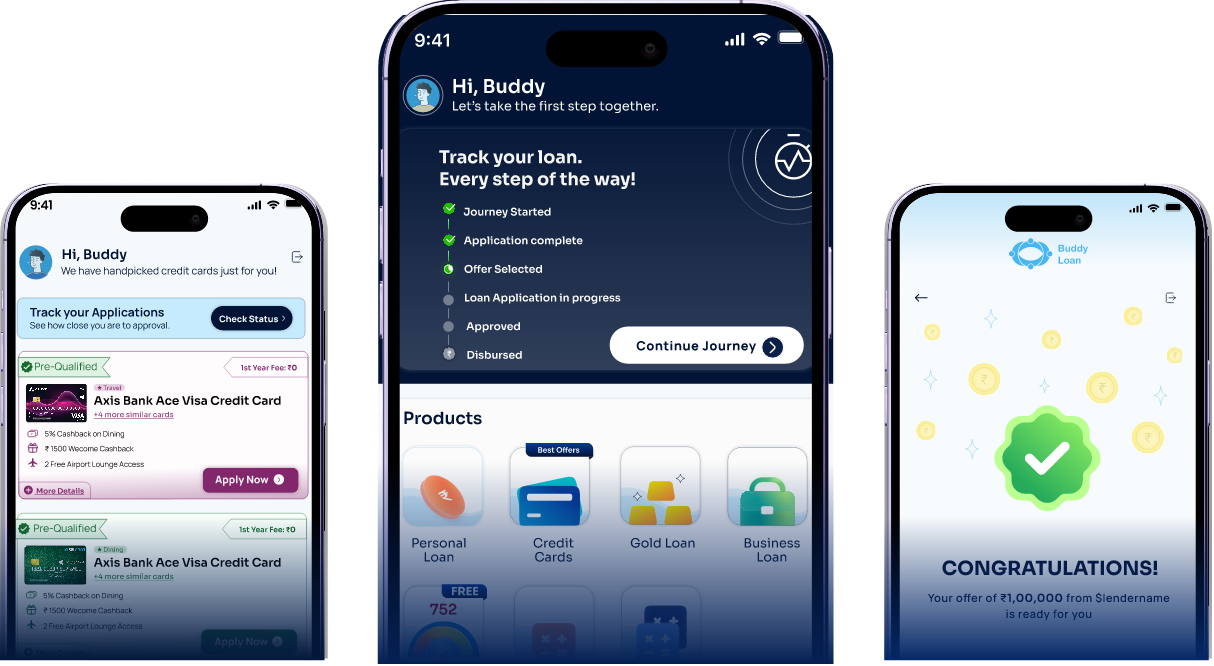
Download the Buddy Loan App Now!
One solution to each of your financial needs at your fingertip.

Scan to download now