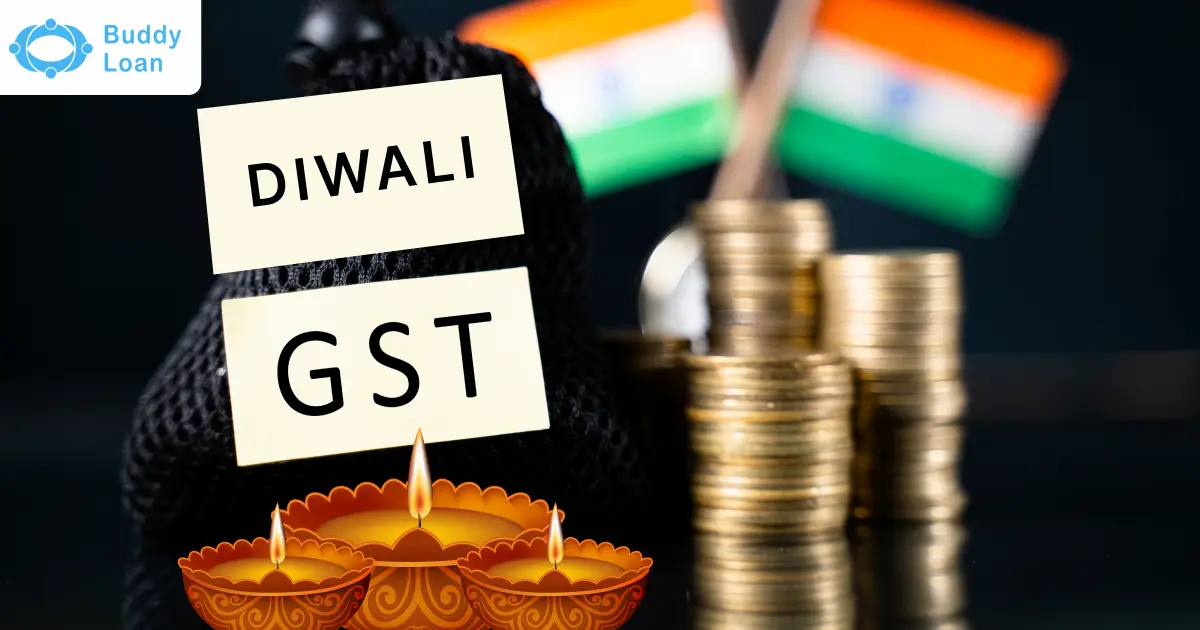
India is gearing up for one of its most talked-about tax changes in years: a major simplification of the GST system. If the plans go through, the four confusing tax slabs could shrink down to just two, potentially making everyday items and gadgets easier on the pocket. That said, the GST reforms rollout isn’t a done deal yet; it still needs approval and comes with a few concerns.
In this blog, we’ll unpack what this “GST 2.0” could mean for prices, your spending power and the broader economy.
GST Reform in Simple Terms: What’s Changing?
India’s current GST system has four main tax slabs: 5%, 12%, 18%, and 28%. It’s often seen as confusing, both for consumers and businesses. The new proposal, being called “GST 2.0,” aims to change that by introducing just two main rates:
- 5% for essentials and 18% for everything else.
- A special 40% slab would apply only to luxury or harmful goods like tobacco and pan masala.
If this sounds technical, here’s what it really means: buying daily-use items and even gadgets like TVs or washing machines could become simpler and cheaper. The idea is to boost consumer confidence, cut red tape for small businesses and keep the economy moving by making spending easier and less taxing, literally.
The government is targeting a rollout around Diwali 2025, depending on how quickly a final agreement is reached among the central and state governments.

Can Revised GST Boost Spending and the Economy
When taxes go down, prices often follow and that’s exactly what the GST reform aims to do.
- By reducing the tax burden on common items like food, home appliances and small cars, people may feel more comfortable spending. This isn’t just good for households; it’s great for the entire economy.
- Experts estimate that these changes could unlock up to ₹2.4 lakh crore in extra consumer spending. That’s because lower prices mean people can buy more with the same income. It also helps ease inflation, which has been a concern for many households.
In simple terms: this reform gives the average Indian shopper more value for their money, while giving a strong push to industries like automobiles, consumer goods and construction. It’s a win-win; consumers save and businesses grow.
Also Read: GST Reforms to bring big discounts
Sectors with Big Boost as Revised GST Nears
Some industries are better positioned than others to ride the wave of this GST reform.
- Automobiles: Two-wheelers and small cars could become significantly cheaper if they move from the 28% to the 18% GST slab. This makes them more affordable for first-time buyers, especially in semi-urban and rural India.
- Consumer Durables: Think air conditioners, televisions, washing machines and refrigerators. With taxes dropping, these essentials could see a spike in demand, helping brands grow their market share and households upgrade their lifestyles.
- Packaged Foods: Items like snacks, juices and staples that are currently taxed at 12% may shift to the 5% slab. This would bring down retail prices and make daily essentials more budget-friendly.
- Cement & Construction: While cement demand doesn’t change quickly with price, a GST reduction here means lower input costs for builders. That can lead to slightly cheaper homes or at least higher profit margins for developers.
- Finance and Banking: More consumer confidence and increased demand mean more personal loans and EMI-based purchases. This could benefit NBFCs and banks offering easy financing options.
MSMEs: Simpler tax rates mean fewer classification issues and less confusion. However, for small businesses to truly benefit, procedural challenges like complex filings and digital compliance still need attention.

Concerns & Challenges of GST Reforms
While GST 2.0 holds a lot of promise, it’s not without hurdles and not all of them are small.
- Revenue Loss for States: If items move to lower tax brackets, states could lose thousands of crores in annual revenue. This could strain their budgets, especially with the GST compensation cess ending in 2026. Without a new revenue-sharing formula, tensions between the Centre and states could rise.
- Temporary Dip in Spending: Consumers might delay purchases in anticipation of lower prices, especially for big-ticket items. This could lead to a short-term dip in consumption before the benefits fully kick in.
- Impact on the EV Market: Electric vehicles currently enjoy a low 5% GST rate. If petrol and diesel vehicles get cheaper under the new system, the price gap narrows. This could slow down EV adoption, an unintended consequence for a sector that’s key to India’s green goals.
- Compliance Pressure on MSMEs: Despite simplification, many small businesses still struggle with digital tools, multiple return filings and system glitches. Unless these pain points are addressed, reforms may feel like more of the same for the smallest players.
Impact of GST Reform on Everyday Indian
For the average Indian household, GST reforms may sound distant or too technical, but their effects could be felt in very real ways.
If implemented well, GST 2.0 could make everyday essentials a little more affordable, bring down the cost of gadgets and appliances, and leave people with more money in their hands. That means more power to save, spend and plan ahead.
For small business owners and shopkeepers, a simpler tax structure could mean fewer headaches with compliance, fewer disputes and a fairer shot at growth, provided the system becomes easier to use and less intimidating.
In the bigger picture, the goal is to make India’s tax system not only more efficient but also more inclusive. When taxes are simpler and fairer, more people participate in the economy, which benefits everyone in the long run.
Conclusion
The GST reforms proposed for 2025 aren’t just about changing tax rates; they’re about changing the way India spends, saves, and grows. By making the system easier to understand and fairer for all, the government is betting on the power of everyday consumption to drive big economic gains.
Will it be smooth sailing? Not entirely. There are challenges to iron out, especially around state revenues and small business compliance, but the intent is clear: to give India’s economy a fresh boost from the ground up.
If done right, GST 2.0 won’t just lighten our bills, it could lighten the burden on businesses, boost confidence and move India closer to a future that’s both fast-growing and financially inclusive.
Download the Buddy Loan App Now!
One solution to each of your financial needs at your fingertip.

Scan to download now