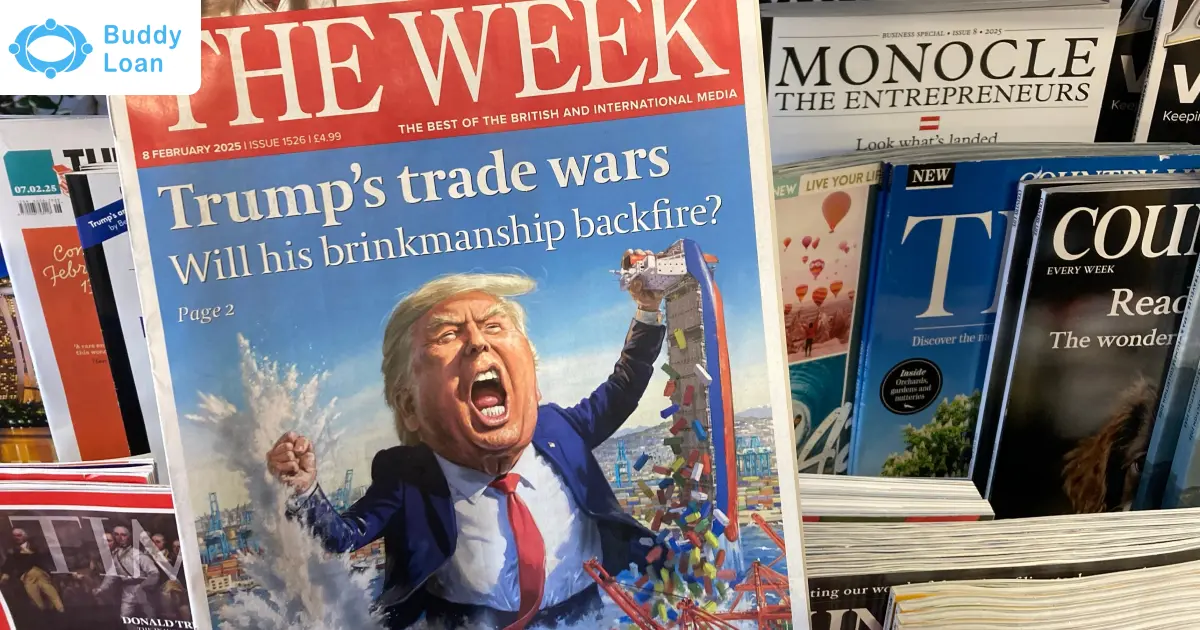
The Government of India has released a new update on 28th August 2025, where it was announced that the window for cotton import duty has been extended. According to the new update, this exemption is valid till 31st December 2025.
This is a key move to support the textile and garment industry amid global price volatilities and US tariff pressures. The news was originally launched on 19th August 2025, imposing a duty-free window from 19th August to 30th September 2025.
This extension presents vital opportunities for textile manufacturers, apparel exporters and cotton importers to optimise sourcing costs and strengthen their competitiveness internationally.
Read on to understand how this extension can help your business reduce costs, plan procurement effectively and stay competitive in the global textile market.
What Is The Point Of The Exemption
The key objectives of this update include
- Stabilising cotton prices,
- Easing input costs across the supply chain,
- Supporting exporters hit by US tariffs and
- Safeguarding domestic growers.
This expanded duty-free import window for cotton (HS Code 5201) is for an additional three months until the end of the year. The duty suspension removes about 11% import duty on all cotton varieties, enabling cost-effective procurement amid fluctuating domestic supplies and global demand.
Scope of the Exemption
- Applies to all cotton varieties under HS Code 5201.
- Covers raw cotton, cotton yarn and cotton fabrics used by the textile sector.
- Targeted to support Indian manufacturers, exporters and MSMEs in the textile supply chain.

Impact on Cotton Prices and Supply Chain
The exemption plan is expected to help stabilise domestic cotton prices. This is done by allowing access to cheaper and better-quality imported cotton from countries like the USA, Australia and Brazil.
Experts expect that due to this update, the imports may reach record levels, easing supply constraints and lowering raw material costs by 5–7% compared to local cotton.
Not just that, but the duty relief also acts as a buffer against the US tariffs, which are currently in effect at 50% on Indian textile goods, thereby maintaining a competitive export. This can also prevent downstream increases in garment prices.
Domestic manufacturers benefit from assured cotton availability during peak production seasons and the lucrative global export cycle.
Optimising Business and Supply Planning
Here is how the textile industry can actually benefit from this window:
- Secure long-term cotton import contracts at duty-free rates.
- Negotiate better prices with global suppliers during this eased tariffs window.
- Reduce production costs and enhance export profit margins.
- Plan inventory and procurement ahead for uninterrupted manufacturing.
The key thing that importers must keep in mind is that they should stay informed about documentation requirements for exemption compliance, which typically include valid import licenses and customs declarations certifying cotton HS codes and duty status.

Effect on Textile Exports and Domestic Manufacturing Costs
Stable cotton prices help exporters earn better profits because their raw material costs don’t suddenly rise. At the same time, local spinning mills and garment units can keep their production costs under control, which is crucial since buyers around the world are very price-sensitive.
This move also boosts confidence among small and medium exporters, who form the backbone of India’s textile industry and provide jobs to millions. Knowing that cotton prices are predictable makes it easier for them to plan, compete internationally and protect livelihoods.
Related Policies and Government Initiatives
The exemption complements other trade facilitation measures and subsidies too. The goal is to strengthen programs like ‘Aatmanirbhar Bharat’ and India’s global trade footprint under initiatives like ‘Azadi Ka Amrit Mahotsav’.
The Minimum Support Price (MSP) for cotton growers remains insulated through the Cotton Corporation of India to safeguard farmers’ interests alongside import easing.
How This Extension Compares to Previous Years
Unlike past short-term exemptions, this extended period reflects the government’s adaptive policy stance to align with supply chain realities and international trade dynamics. This decision complements the current impacts on domestic cotton yields and the need to stay competitive amid global price rises and trade disruptions.
Final Word
In conclusion, with the cotton import duty exemption extended till December end, Indian textile businesses gain a crucial tool to stabilise costs, enhance global competitiveness and secure smoother supply chains.
Importers and manufacturers should strategise procurement accordingly.
This duty exemption extension represents a significant lever for the textile sector’s sustained growth and export vitality throughout 2025 and beyond the year. Staying updated with official government notifications and market trends will be key to maximising the benefits of this policy.

Download the Buddy Loan App Now!
One solution to each of your financial needs at your fingertip.

Scan to download now