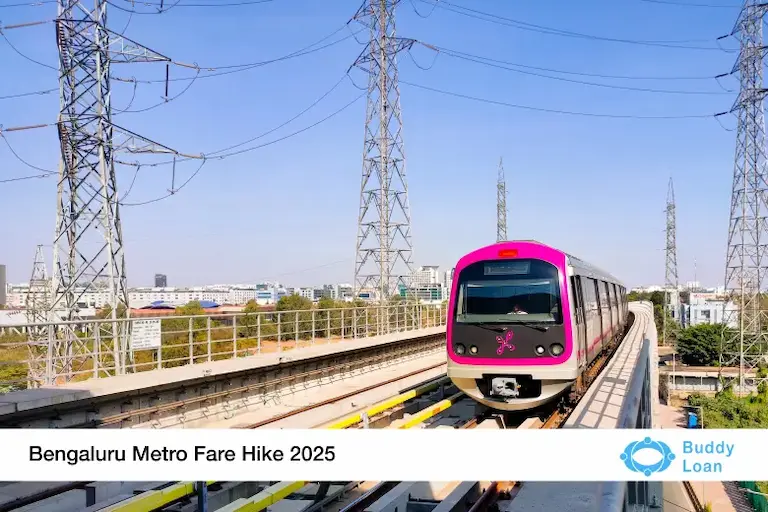
Bengaluru, India’s bustling tech hub, relies heavily on its Namma Metro metro system to navigate the city’s infamous traffic. However, a recent and substantial fare hike has left commuters reeling, sparking widespread protests and raising questions about the affordability and accessibility of public transport. This blog delves into the details of the fare increase, its impact, and what it means for the future of Bangalore metro train.
The Namma Metro, initially hailed as a solution to Bengaluru’s traffic woes, has become an integral part of the city’s commute. Millions rely on it daily, from students and office-goers to daily wage earners. The recent fare revision, the first in over six years, has thrown a wrench into this system, leaving many feeling priced out and disillusioned. The move has affected individual budgets and raised concerns about the long-term implications for the city’s transportation infrastructure.
| Latest Update: After public backlash, BMRCL has rolled back the recent metro fare hike, reducing prices by up to 30%. The board reviewed feedback and adjusted the excessive fare increases, effective immediately. |
A Pricey Ride – The New Fare Structure
The fare hike, implemented on February 4, 2025, has introduced significant increases across various distances. The recent 50% metro fare hike announced by the Bengaluru Metro Rail Corporation Limited (BMRCL) has sparked intense reactions from Bangalore residents. The most striking changes are seen in the longer distances, where Namma Metro fares have nearly doubled in some cases. This has disproportionately impacted those who travel longer distances for work or education, effectively adding a significant burden to their monthly expenses. Here’s the new fare structure:
| Distance (km) | New Fare (₹) |
| 0-2 | 10 |
| 2-4 | 20 |
| 4-6 | 25 |
| 6-8 | 30 |
| 8-10 | 35 |
| 10-12 | 40 |
| 12-14 | 50 |
| 14-16 | 60 |
| 16-18 | 70 |
| 18-20 | 80 |
| 20-25 | 80 |
| 25-30 and above | 90 |
Beyond the individual fare increases, the minimum balance required on metro cards has also been hiked from ₹50 to ₹90. This seemingly small change adds another layer of financial burden, especially for those who may not use the metro frequently.

Peak and Non-Peak Hour Pricing
BMRCL has introduced peak and non-peak hour fares, offering discounts to smart card users.
Bengaluru Metro Peak Hour Fare Discounts:
| Time Period | Discount | Details |
| All Day (Except Non-Peak & Holidays) | 5% | Applies to smart card users. |
Bengaluru Metro Non-Peak Hour Fare Discounts
| Time Period | Discount | Details |
| Weekdays until 8 AM | 10% | Applies to smart card users. |
| Weekdays 12 PM – 4 PM | 10% | Applies to smart card users. |
| Weekdays 7 PM – Closing | 10% | Applies to smart card users. |
| Sundays & National Holidays | 10% | Applies to smart card fares all day. |

Impact of the Metro Fare Hike
The Bengaluru Metro fare hike has had a cascading effect, impacting various stakeholders:
- Commuters: The most direct impact is on the daily commuters. The increased fares have strained household budgets, forcing many to reconsider their mode of transport. Anecdotal evidence and reports suggest a noticeable dip in ridership, particularly during off-peak hours. This raises concerns about the long-term viability of the metro system if ridership continues to decline.
- Economy: Increased transportation costs can have a ripple effect on the local economy. Employees may find it more challenging to commute to work, potentially affecting productivity. Businesses located near metro stations might also see a decline in foot traffic if people opt for cheaper alternatives.
- Environment: A shift away from public transport towards private vehicles can exacerbate traffic congestion and increase pollution levels. This defeats the very purpose of having a metro system aimed at promoting sustainable transportation.
- Public Trust: The fare hike has eroded public trust in the BMRCL. Many feel that the decision was made without adequate consultation and consideration for the public’s needs.
Conclusion
The ongoing debate surrounding the Bangalore metro price hike highlights the delicate balance between financial viability and public service. While infrastructure development is essential, it’s equally crucial to ensure that such projects remain accessible to all segments of society. The current situation calls for a thorough review of the fare structure, greater transparency in decision-making, and a renewed focus on prioritizing the needs of the commuters. The future of Namma Metro, and indeed Bengaluru’s transportation ecosystem, depends on it.
Download Personal Loan App
Get a loan instantly! Best Personal Loan App for your needs!!
Looking for an instant loan? Buddy Loan helps you get an instant loan from the best-verified lenders. Download the Buddy Loan App from the Play Store or App Store and apply for a loan now!
Download the Buddy Loan App Now! One solution to each of your financial needs at your fingertip. Scan to download now



Frequently Asked Questions
Q. Why was the fare hike implemented?
A. BMRCL has cited increased operational costs, loan repayments, and the need to maintain the metro system as the primary reasons for the fare hike.10
Q. How much have the fares increased?
A. The fare increase varies based on the distance traveled, with some routes seeing increases of up to 50%. The minimum balance on metro cards has also been increased.
Q. What has been the public reaction?
A. The fare hike has been met with widespread criticism and protests from commuters, who argue that it is unaffordable and unjust. There are reports of declining ridership since the implementation.
Q. What is BMRCL’s response?
A. BMRCL has acknowledged the public feedback and stated they will review the fare hike. However, they have also defended the increase, citing the financial pressures they face.
Q. What are the potential long-term impacts?
A. The fare hike could lead to a decline in metro ridership, increased traffic congestion, and a negative impact on the local economy. It also raises concerns about the accessibility and affordability of public transport in Bengaluru.