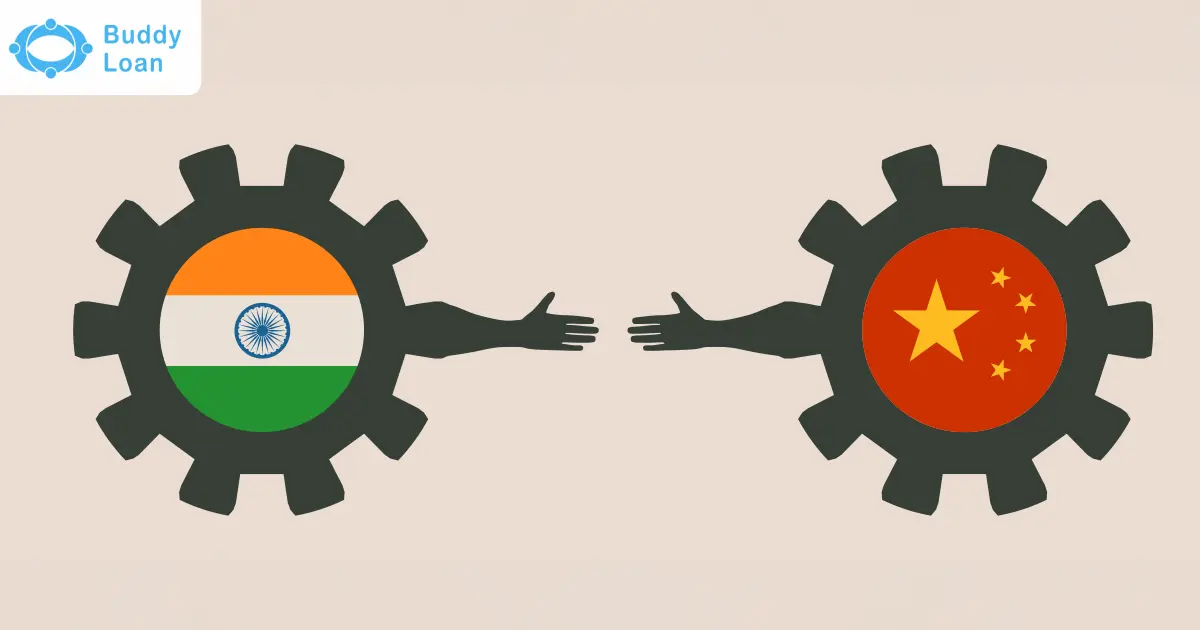
India’s diplomatic development towards neighbouring countries is expected to shift dramatically as PM Modi lands in China after 7 years, just as US tariffs squeeze Indian exports. Both countries have a history of minor conflicts between them, resulting in the non-cooperative relation between them for the past few years.
However, many experts look at this latest development with hope and belief that India and China could shake hands and form a better relationship and step into a better future.
Will renewed India-China dialogues at the Shanghai Cooperation Organisation (SCO) summit spark a profitable reset or deepen complex interdependencies? Read on to learn more about how this can affect you, as this could reshape India’s financial future and regional standing.
Behind PM Modi’s China Visit And Why It Is Big Deal
PM Modi’s China visit, his first since 2018, was with the aim to attend the 25th SCO Summit held in Tianjin, China, from August 31 to September 1, 2025.
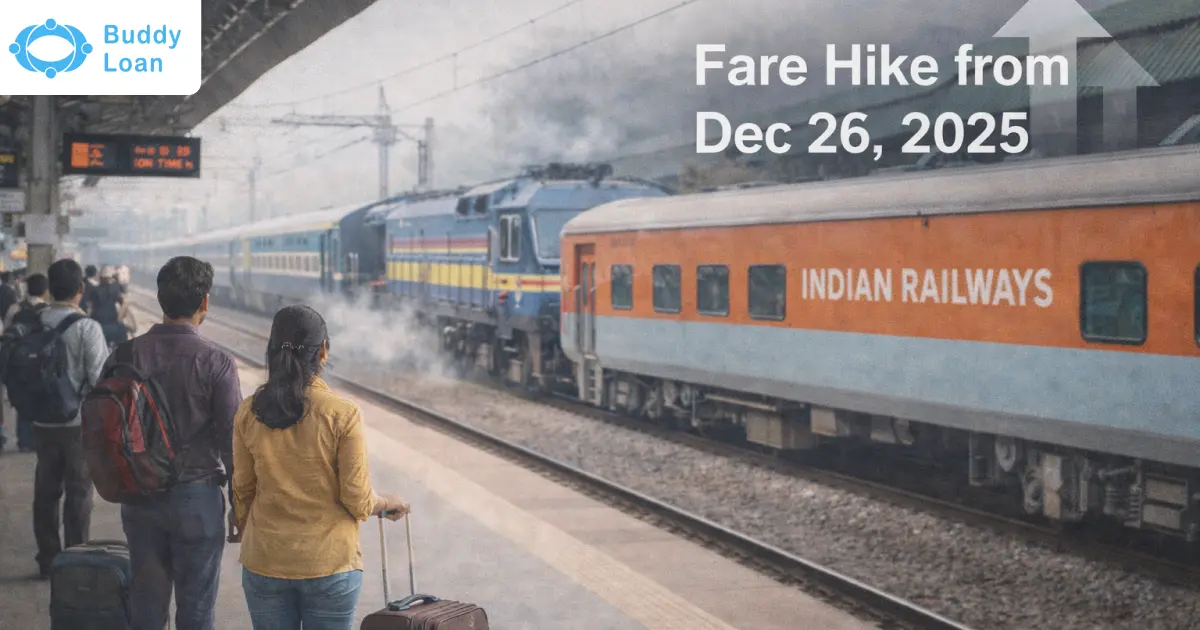
This visit positively coincides with the US hitting Indian exports with 50% tariffs on key goods, severely undercutting India’s access to its largest export market. While many speculate this to be a part of India’s growing attempt to find international markets outside the US, it is still largely unclear what our countries’ diplomatic heads have been planning on implementing.
This turn of interest from New Delhi to Beijing, however, will not be just for diplomacy but to reboot trade, restore border peace and stabilise supply chains.
Even if the ‘hidden agenda’ is to counter US tariffs, it can be said for sure that India will benefit greatly from an alliance with its neighbouring economic giant, China. Highlights from the trip include:
- Talks on reopening direct flights and streamlining business visas
- Strategic dialogue over fair trade and rare earth access
- Discussion about reducing the $80B+ trade deficit favouring China, a longstanding thorn in the relationship
| Following the clashes in Galwan Valley on June 15, 2020, India-China bilateral relations went on to deteriorate severely, for which India took diplomatic steps such as boycottingChinese goods in India, high-level military deployment in the region and banning several apps, including Tiktok, causing an overall financial blow of ₹58,000 crores. |

Could US Tariffs Bring A Change In India’s Relation With China?
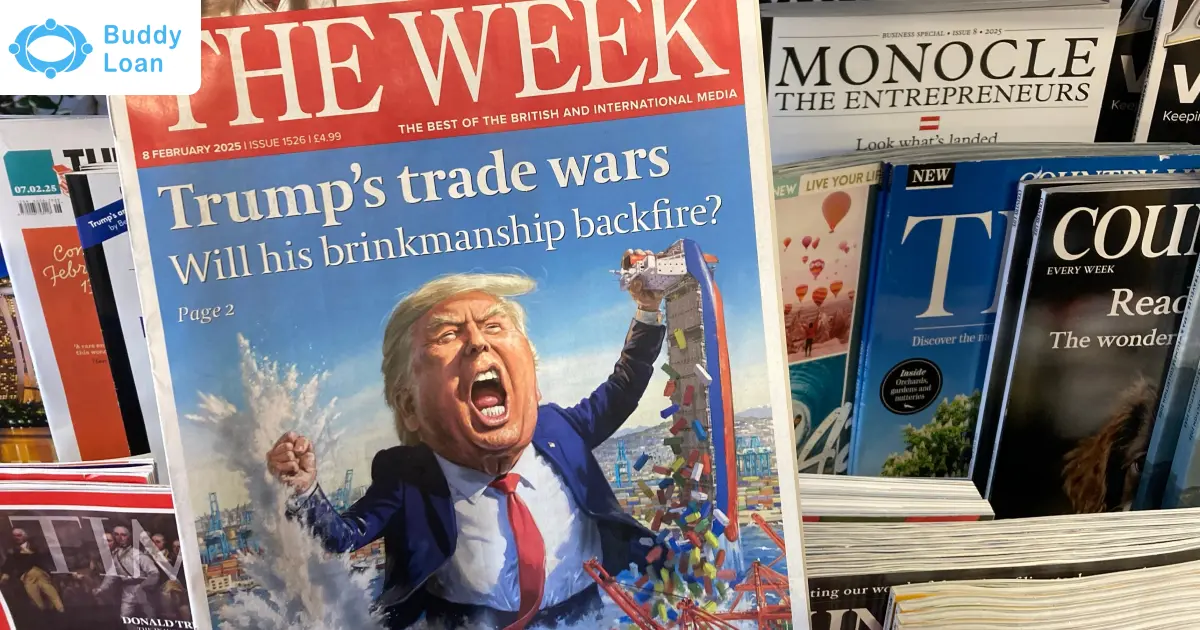
The sharp escalation in US tariffs by 50% is a huge blow to India, as it threatens India’s exports of textiles, jewellery and chemicals to the US, India’s largest marketplace.
MSMEs face real risk, potentially causing job losses.
|
Sector |
Tariff Rate Charged by U.S. |
Key Notes / Impact |
|
Apparel & Textiles |
Approx. 60% (garments up to 63.9%) |
Massive blow to ₹3.4 lakh crore industry; job threats in hubs like Tiruppur and Bengaluru due to export uncompetitiveness. |
|
Gems & Jewellery |
Approx. 50–53% |
The ₹3.32 lakh crore export sector was hit hard; exporters in Surat and Mumbai demand relief from soaring costs. |
|
Seafood (Shrimp) |
Up to 60% |
Shrimp exports (worth over ₹50,000 crore) face heavy tariffs; Andhra Pradesh, Odisha and Gujarat processing units are stressed. |
It is important to understand that this is mutually beneficial for China too, as the US imposed a tariff of ~30% on Chinese imports.
India’s export momentum to the US is suddenly upended, pushing the nation’s policymakers to rethink market strategies. So far, the steps taken by them majorly include:
- Diversifying exports to Europe, the Gulf and crucially, China
- Exploring new supply chain partnerships and technology tie-ups
- Assessing long-term fiscal impacts as trade balances shift
This change towards China and other countries in diplomacy can be conceived as an ongoing effort to establish better connections with other countries and open up more international markets.

25th SCO Summit: Peace, Trade and Power Plays
SCO is a Eurasian political, economic, and security alliance formed in 2001, evolving from the Shanghai Five of 1996. Currently, it consists of India, China, Russia, Pakistan, Iran, Kazakhstan, Kyrgyzstan, Tajikistan, Uzbekistan and Belarus.
The Shanghai Cooperation Organisation emerged as a vital forum for India this time. It enables dialogue and cooperation with Central Asian nations, balancing relations with major powers like China and Russia while promoting India’s strategic autonomy.
As part of the key agenda of the summit to discuss regional security, economic integration, counter-terrorism initiatives (like RATS), and infrastructure projects, India was able to voice out several of its key concerns and ideas and leveraged the SCO platforms to:
- Call for stronger action against terrorism
- Safer and more open trade routes
- Better regional connectivity through projects like the Chabahar Port and
- Closer cooperation in technology, energy and climate issues.
| Prime Minister Modi also highlighted that building trust and respect among member countries is the only way to reduce border tensions and bring long-term peace and growth to the region. |
On the summit sidelines, PM Modi also met with Chinese President Xi Jinping and Russian President Vladimir Putin, advocating for action against terrorism, regional connectivity (like Chabahar Port) and cooperation in areas like innovation and security.
Both Modi and Xi Jinping echoed support for ‘mutual trust, respect and sensitivity’, a subtle nod to resolving the border disputes and reducing mutual suspicion. As of now, we don’t have any sure reasons to celebrate but can hope for better cooperation in trade, travel and industrial development in the future.
Roadblocks to a Better Future
Despite positive signals, bilateral tensions between India and China over unresolved border issues and increasing economic competition still remain, at least for now. Risks include:
- Over-reliance on China for critical imports (e.g., electronics, rare earths minerals)
- Geopolitical uncertainty, especially if the US-China rivalry intensifies
- Fragile diplomatic gains that could dissolve with renewed incidents at the border
However, India’s diplomatic leaders are working on making the adjustments needed to not rely on China entirely and develop a better relationship internationally.
Opportunities and Adjustments: What’s Next for Businesses and Policymakers?
With global tariffs shifting and trade tensions mounting, navigating uncertainty has become a core part of business strategy. To stay resilient and competitive, leaders should consider the following practical steps:
- Sharpen risk-monitoring tools to stay ahead of tariff shocks and pinpoint supply chain vulnerabilities before they escalate.
- Rebalance export portfolios, exploring new international partnerships while reinforcing established trade relationships.
- Stay financially agile by evaluating smart options like applying for short-term loans, checking credit scores to improve borrowing capacity or using EMI calculators to manage cash flow, especially as working capital cycles stretch in volatile markets.
Conclusion: Preparing for a Multipolar Economic Era
India is adjusting its global strategy by improving talks with China, our immediate neighbour, by working with groups like the SCO while dealing with pressure from U.S. tariffs. These changes point to a future where power is shared among many countries and risks are higher.
To keep growing and protect our economy, India’s plan is to:
- Trade with different partners (Looking for international markets)
- Manage money wisely (as depicted by reduction of value of rupees)
- Update policies quickly when needed (Like the cotton tax exemption)
Leaders now face an important choice: act early, think beyond borders and use every reliable tool to protect both India’s future and their own success in this changing world.
Download the Buddy Loan App Now!
One solution to each of your financial needs at your fingertip.

Scan to download now