There are many different loan options out there, and many of them can help you get the money you need to start a new business, pay for your education, or even cover unexpected repairs. But which one is right for you? To answer that question, you first need to understand what kind of loan options are available to you, and how they all fit together. There are several types of loans, which differ based on their purpose and how much they require from the person borrowing the money. In this article, we’ll explore the different loan types so you can make an informed decision on which one is right for your specific needs. Finding the Right Loans for people benefits
Why is it Important to Choose the Right Loan?
Choosing the wrong financial product can lead to a lot of stress, worry, and financial trouble for you and your loved ones. If you’re struggling to make ends meet, a loan can put your future at risk. If you’re already doing well financially, a bad financial decision can leave you with a significant amount of debt. This is why it’s important to choose the right loan. A good loan is one that helps you achieve your financial goals. A bad loan may make you feel like you have to take on additional debt, or that you’ll always be in debt. In order to make good financial choices, you first need to understand the different loan types available to you.

Also Read: Top 5 Tips of Getting a Loan At Your Doorstep
Why do Lenders offer Loans to People on Benefits?
Benefits, like unemployment and Supplemental Security Income, are meant to provide cash assistance to people who need it most. However, this does not mean that you are not capable of getting a loan. In fact, there are many lenders that offer loans to people on benefits and will even work with you to determine your ability to repay the loan. Some lenders will even give you a loan at a higher interest rate so that you can make payments that fit your budget and your circumstances.
Loans Aimed at People on Benefits
- Business loans: These types of loans are often given to new businesses, or to help them expand. The most common types of business loans include loans for machinery and equipment, inventory, and startup costs.
- Education loans: Some lenders offer education loans to help people fund their education or pay off their student loans. You’ll most commonly find these types of loans on online forums and social media pages aimed at helping people who are seeking financial assistance with their debts.
- Healthcare loans: Healthcare loans can be used for a variety of purposes. Some are used to pay for medical expenses, while others are used to pay off credit cards or other medical debt.
- Payday Loans: There are institutions which offer payday loans to people on benefits. These are generally small amount loans with high interest rates and are expected to be repaid when the borrower gets their benefits.
- Budgeting Loans: This loan can be applied by those who have been receiving benefits for one year. These are interest free loans with long repayment periods.
- Home Finance Loans: These loans are available in certain countries and can be taken by families which have received benefits for at least a few years. It can be used for any purpose and repayments are made weekly. However, these loans come at high interest rates and can be expensive.
- Low Income Loans: Many banks offer low income loans for people on benefits. It can be availed only if the benefit money reaches a certain value per week and repayment is made weekly.
- Secured Loans: These loans are provided against collateral. The most common collateral is cars and the interest rate is comparatively lower than payday loans.

Eligibility Criteria
- Should be a resident or citizen of India
- The applicant should be 18 years and above
- Should have a bank account
- Must be getting financial aid from the government.
Also Read: The Ultimate Guide To Get Instant Personal Loan Without PAN Card
How to Approach the Loan Application Process
When you first start thinking about getting a loan, it’s important to write down a wish list of things you’d like to purchase with the loan money. This will help you better determine what loan type you should apply for. Next, it’s important to figure out how much you need to borrow. There are a few different ways to do this.
- Estimate how much you’ll use the money for and how often. This will help you estimate how much you’ll need to borrow.
- Use an online budgeting tool.
- Use an app to track your spending.
If you are looking for a personal loan for people on benefits, stop thinking about it and apply to fulfill your financial needs! But before you apply, make sure you understand the loan terms, interest rate, and repayment plan for a better and seamless experience!
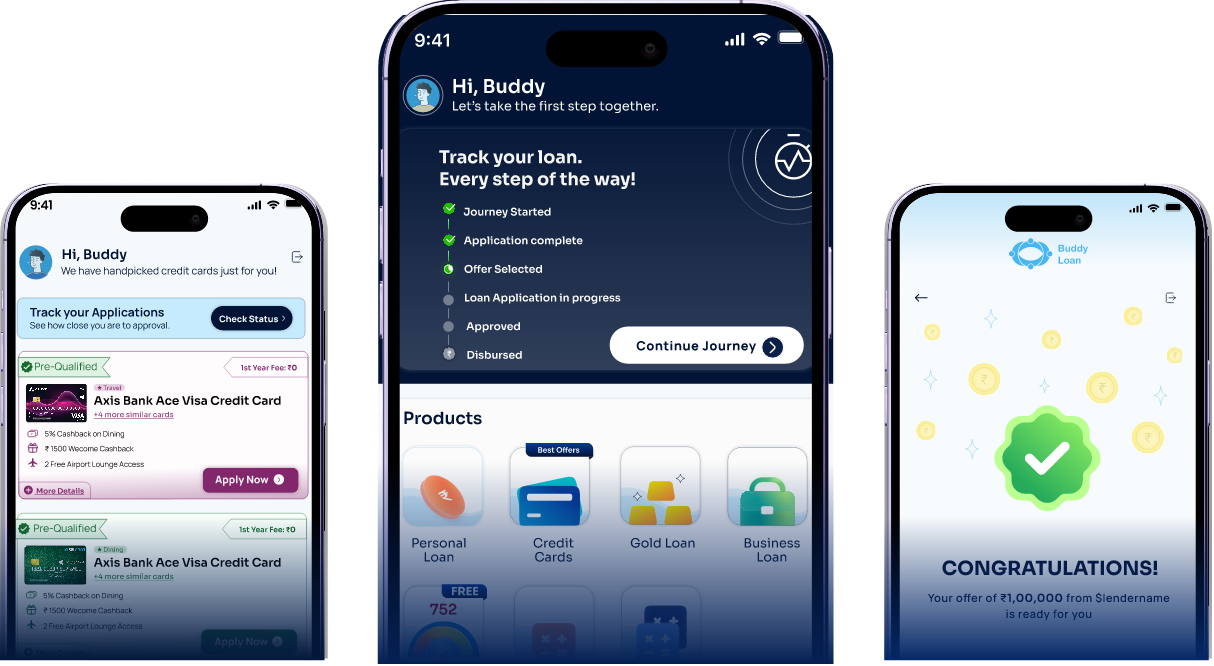
Download the Buddy Loan App Now!
One solution to each of your financial needs at your fingertip.

Scan to download now