So, you’ve taken the big step and got your first personal loan, maybe it’s for a new gadget, a family trip or an emergency expense. But now, you’re probably wondering, “How am I going to make sure I can handle the monthly EMI without stressing out?”
Trust me, you’re not alone! A lot of people feel the same way when they’re starting out. The good news? With a little bit of planning, managing your first EMI can be a lot easier than you think. Let’s walk through how to budget for it in a way that feels totally doable, no headaches, no panic.
7 Steps To Budget Your First Personal Loan EMI
Step 1: Know Your EMI Amount
First things first, what’s your EMI going to be? Once your loan is approved, the lender will tell you exactly how much you’ll need to pay every month. This number depends on a few things:
- The loan amount (the total you borrowed)
- The interest rate (what you’re charged for borrowing the money)
- The tenure (how long you’ll take to repay the loan)
Once you know this amount, you’ll have a clear picture of how much of your monthly income will go towards paying off the loan.
Step 2: Take a Good Look at Your Income
Next, let’s check your income, what’s coming in every month. It might seem obvious, but it’s essential to know exactly how much you earn. Your income could include:
- Salary: Your fixed monthly pay (after taxes)
- Other income: Side gigs, freelance work, or any additional streams
Now, with a clear picture of your monthly income, you can move on to the next step, figuring out how much of that can go towards your loan repayment.
Step 3: Track Your Expenses
Now comes the fun part: tracking your expenses. This is where you’ll need to look at your regular spending. You’ll want to factor in:
- Rent/Mortgage: Your biggest monthly expense.
- Utilities: Bills for electricity, water, internet, etc.
- Groceries: What you’re spending on food and household essentials.
- Other payments: These could be things like insurance or transport costs.
Once you have all these numbers down, you’ll know exactly how much money is left over after covering the essentials and that’s what you’ll use to pay your EMI.
Step 4: Set Your EMI Limit
Here’s a good rule of thumb: your total EMIs (for any loans or credit repayments) should ideally be no more than 30 to 40% of your monthly income. That’s the sweet spot that lets you keep your finances healthy.
So, for example, if you earn ₹50,000 a month, try to keep your total loan repayments around ₹15,000 to ₹20,000.
That way, you’re not stretching yourself too thin, and you’ve still got room for other expenses, like groceries or that unexpected bill that might pop up.

Get Personal Loan Online Up to ₹35 Lakhs
By entering your number, you're agreeing to Terms & Conditions & Privacy Policy.
Step 5: Set Aside Emergency Funds
Life happens. Maybe your car breaks down, or an unexpected medical expense pops up. That’s why it’s important to keep a little extra aside for emergencies. It’s always good to have a buffer for those moments when things don’t go exactly as planned.
Consider setting aside about 5-10% of your monthly income for emergencies. This ensures you don’t have to dip into your loan repayment money when something unexpected comes up.
Step 6: Track Your Spending and Stay on Course
Once you’ve got your budget set, the next step is sticking to it. This might sound simple, but it’s easy to let spending slip, especially when you’re tempted by a sale or that dinner out. Tracking your spending helps keep you on track, and there are tons of apps out there that can help you stay organized. Some even send reminders when your EMI is due, so you never miss a payment.
Using a budgeting app or tool can also show you how much you’re saving each month and help keep you motivated.
Step 7: Stick to the Plan
Now that you have a budget, it’s time to stick to it. This is the part where discipline comes in. Try to avoid impulse buys or splurging on non-essential things while you’re paying off your loan. The more disciplined you are, the easier it will be to keep your finances on track.
And here’s a pro tip: Automate your EMI payments if you can. Set it up so that your loan repayment happens automatically on the same day every month. This way, you’ll never forget or miss a payment.
Real-Life Example: Meet RheaRhea, a marketing professional, recently took out her first personal loan of ₹1,00,000 for a family vacation. Her EMI was ₹9,500 per month for 12 months. To manage this, Rhea followed a simple process:
Rhea also set aside ₹5,000 each month for emergencies. By tracking her spending carefully and sticking to her budget, she was able to pay off the loan on time while still managing her regular expenses. |
Step 8: Consider Refinancing or Prepayment
If things go well and your financial situation improves, you might want to prepay your loan or refinance it for a better interest rate. Prepaying means paying off part of the loan earlier than planned, which can help reduce the total interest you pay. Refinancing might get you a lower rate or better repayment terms, saving you money over time.
Before making any moves, always check with your lender to see if there are any penalties or fees for early repayment.
Final Thoughts
Budgeting for your first personal loan EMI doesn’t have to be a headache. With a little preparation, tracking, and some smart planning, you can handle it without feeling overwhelmed. The key is to know your EMI, track your income and expenses, and stick to your budget.
Start by setting a realistic repayment plan, give yourself some room for emergencies, and use budgeting tools to stay on top of things. If you’re unsure about which loan option is best for you, platforms like Buddy Loan can help by connecting you to the right lenders based on your financial profile.
Before you know it, you’ll have that loan paid off and you’ll be ready for whatever comes next.
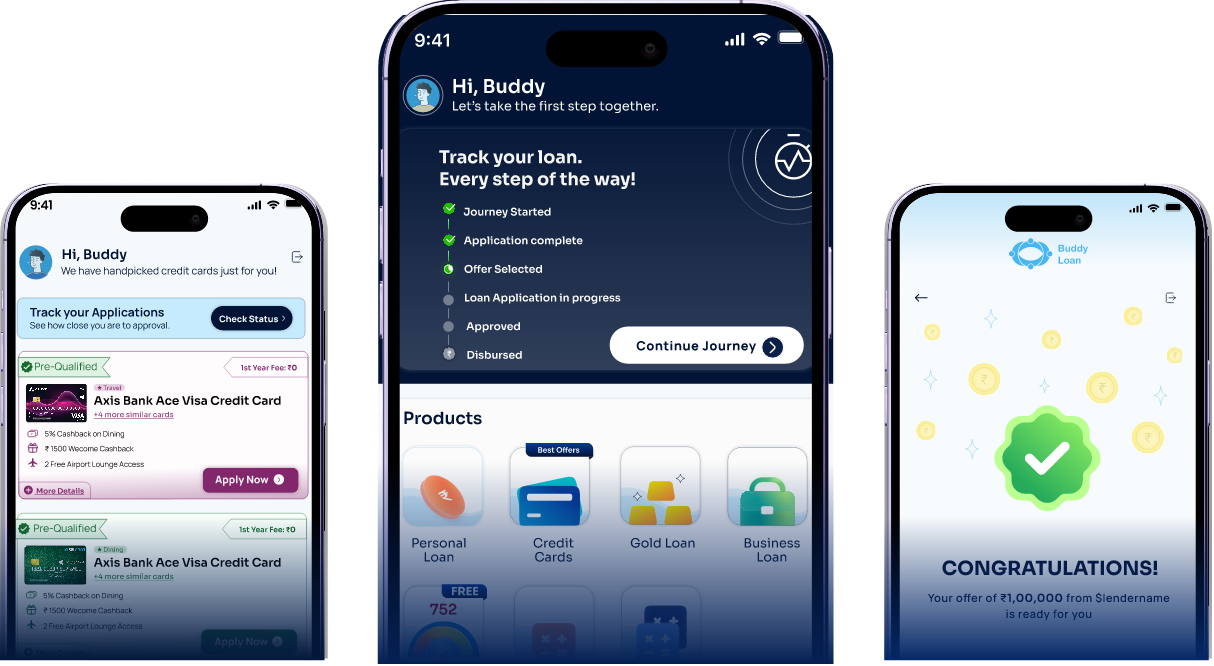
Download the Buddy Loan App Now!
One solution to each of your financial needs at your fingertip.

Scan to download now