There is no doubt that EMIs have become the easiest solution to buy the products of your desire and enjoy an easier life. From electronic gadgets to vehicles, paying those huge amounts in monthly instalments has been a lifesaver for many.
However, when a sudden financial crisis hits, such as a medical emergency, job loss or business failure, it becomes difficult to make the repayments on time. Thus, you might have to face the burden of increased interest rates, where you pay more than the actual amount you borrowed.
Now, this is what you call the hidden EMI trap. While getting that emergency loan approved might feel like a big relief to your financial strains, it is important to build a solid safety net for the repayments, even if you are confident.
This blog article will take a deep dive into the serious risks of having no backup EMI fund and how you can effectively build one.
Here’s What Happens When You Miss An EMI
You might think missing one month’s EMI might not be a big deal. But in reality, it is the start of financial trouble for many.
Here’s what the consequences look like:
- Credit Score: Your credit score (ranging from 300 to 900) represents your repayment behavior. So, when you miss paying your EMIs, your credit score gets affected severely. And a score below 750 can lower your eligibility for loans, credit cards, and low-interest rates.
- Extra Interest: The more you miss your repayments, the interest rate increases and, as mentioned earlier, can result in bigger repayments.
- Legal Action: If you consistently miss EMIs (usually for 90 days), your loan can be classified as a Non-Performing Asset (NPA). Banks may send legal notices or recovery agents. If it is a car loan or a home loan, you may lose the collateral to the bank to make up for the loan amount.
- Charges or Penalties: A missed EMI can trigger late fees and penalty interest almost immediately. These extra charges can add up pretty quickly and potentially turn your current financial situation worse.

How To Effectively Build Your EMI Backup Fund
Keeping aside a backup fund for your EMI payments can always be helpful whenever you face any unexpected barriers to your loan repayments.
Here are some of the simple and effective steps you can take to build your EMI backup fund:
- Target Amount: First things first, decide your goal, that is, how much you want to set as your backup fund. A good rule of thumb is to save enough to cover at least 6 to 12 months of your total living expenses, including your EMIs.
- Automation: This is probably the easiest way to build your backup amount. You can set up an automated transfer to move a certain fixed amount from your salary to your backup every month.
- Separate Account: It is always a good idea to keep different accounts for your savings and backup. This can help control your expenses.
- Cost-Cut: Understand your spending behaviour and keep track of it. Identify areas where you can cut back on the expenditure and modify your monthly budget. Redirect the saved amount to your backup fund.
In addition to all these, if you received any sudden income, such as a bonus or a tax refund, you can contribute a significant portion of it to your backup. These measures can help ease any hiccups in your repayment when needed.

Is It Possible To Manage EMIs Without A Backup Fund?
Now that you have read till here, you might be having this question in mind. Setting up a backup fund is easier said than done, and might take some time to even build up the fund.
So, is it really possible to make timely repayments when you are financially struggling and have no backup? Yes, to an extent. Here’s what you can do:
- Contact your lender: These days, there are several banks and NBFCs that allow loan restructuring, where they adjust the repayment plan to ease repayments.
- Reconsider your loan: Balance Transfer is another option you can consider, where your loan is moved to another bank or NBFC that offers a lower interest rate.
- Make extra income: Find a side gig where you get a reasonable amount of profit. This can also be used to set up your backup fund or directly contribute towards your EMIs.
- Make partial pre-payments: In cases where you get a bonus or have existing savings, you can make use of them for small pre-payments. This can potentially lower your interest rate and loan tenure in the long run.
While paying off your EMIs without a backup or during unexpected financial problems can be difficult in itself, you can take certain measures from the start to avoid such situations to an extent. This starts with planning your monthly payments in advance and choosing the right lender.
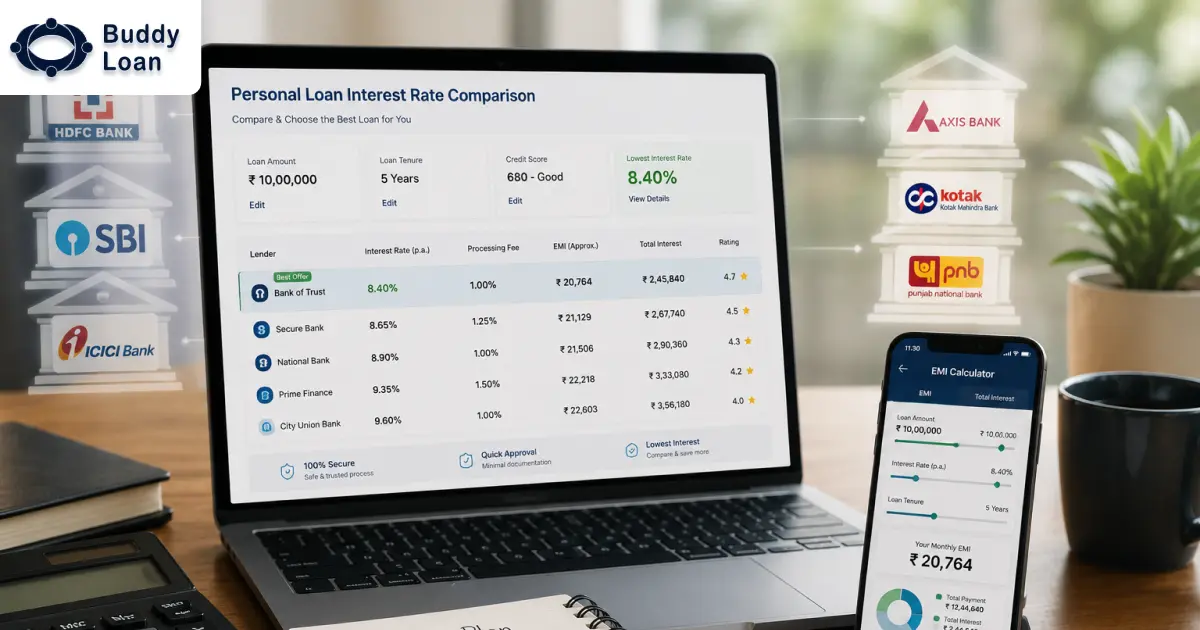
Buddy Loan is a loan aggregator platform where you can find verified lenders and connect with the one that suits your financial profile. You can also find a personal loan EMI calculator on the platform to get an understanding of your monthly payment amount based on your loan. This can help you plan ahead and make informed decisions for the well-being of your finances.
Conclusion
Missing your EMI payment and not having a backup is the last thing you need when you are struggling financially. It’s not just the penalty charges that come in, but your credit score and future borrowing opportunities that are affected.
At the end of the day, it is always wise to start building your emergency backup, whether or not you have EMIs to pay, for a smooth financial journey.
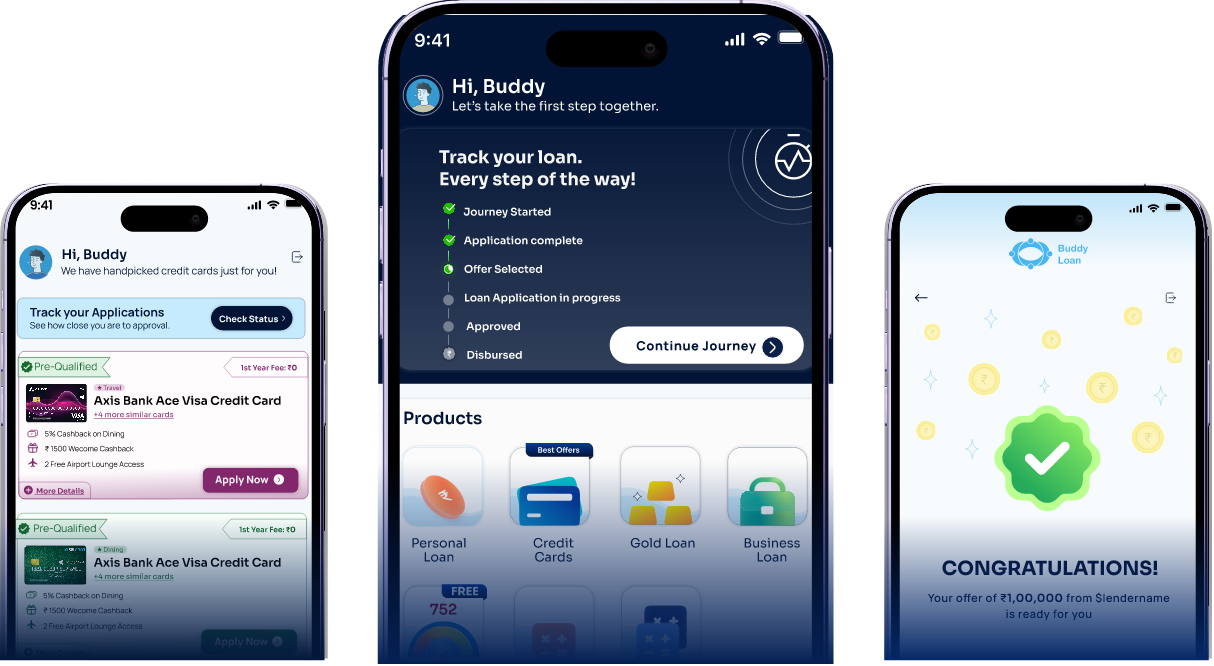
Download the Buddy Loan App Now!
One solution to each of your financial needs at your fingertip.

Scan to download now