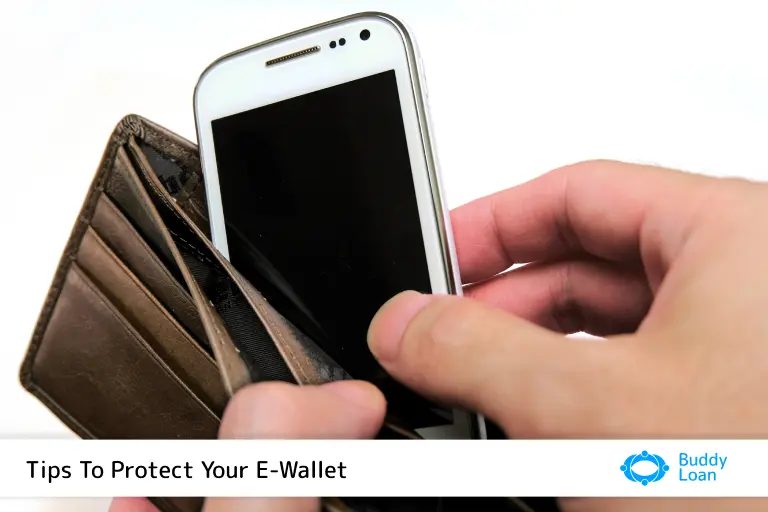
The introduction of digital wallets has reduced the use of cash or the necessity of physical cards. These electronic wallets, often referred to as eWallets, offer contactless payments through your mobile phone or other electronic devices. They provide efficient means to manage finances efficiently with fast and secure transactions. The growing popularity of e-wallets has attracted cybercriminals who take advantage of limitations to steal private/confidential data. To counter this threat, it’s necessary to know how to safeguard your electronic wallet. In this blog, let’s learn about e-wallet, the strategies to protect your E-wallet effectively, its benefits, and the risks of using a digital wallet.
What is an E-Wallet?
An eWallet is a digital replica of a physical wallet. It operates as a software-based system where you can securely store payment information like credit and debit card details, gift cards, and even bank account information. This allows you to make fast, easy, and secure transactions for it’s peer-to-peer transfers and online shopping.
Paytm, PhonePe, Google Pay, PayPal, BHIM, Amazon Pay, YONO SBI, Freecharge, Airtel Money, and Mobikwik are a few popular digital wallets in India. We also know these as digital e-wallet, mobile wallets, online wallets, or electronic wallets.
Benefits of E-Wallet
The primary reason behind the increasing demand for digital wallets is the convenience of payments with smartphones. It eliminated the need for carrying multiple cards and extra cash, as almost everyone has their mobile phone with them all the time.
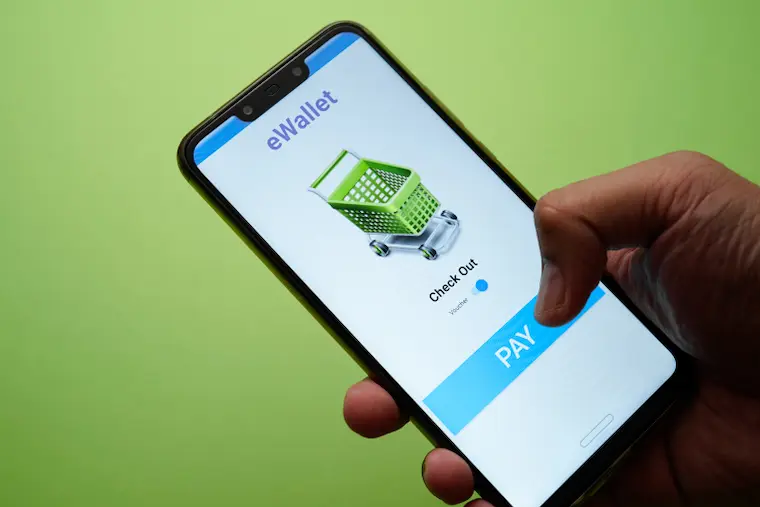
Here are the benefits of eWallets:
- Offers convenience
- Speed and efficiency
- Provides access to multiple card types
- Enhances security
- Widely available in stores and online
- Allows transaction approval
- Offers discounts, bonuses & cashback
- Assists with cost savings
- A digital record of transactions
- Saves time

Risks of Using a Digital Wallet
Digital wallets make payments easier, but they pose certain risks that users should know. The following are some risks associated with digital wallets.
- Your identity may be stolen
- Losing your mobile phone
- Your money might not be insured
- Cyber threat and other security concerns
- Data privacy
- Unauthorised access
- Illegal transactions
How To Protect Your E-Wallet?
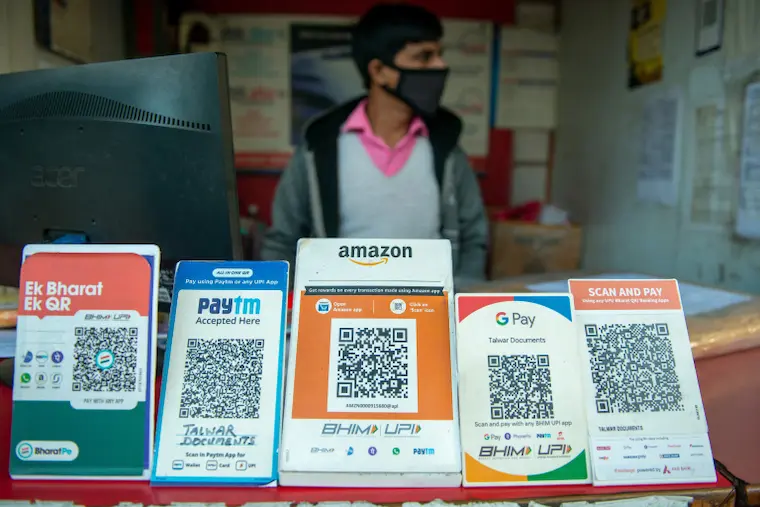
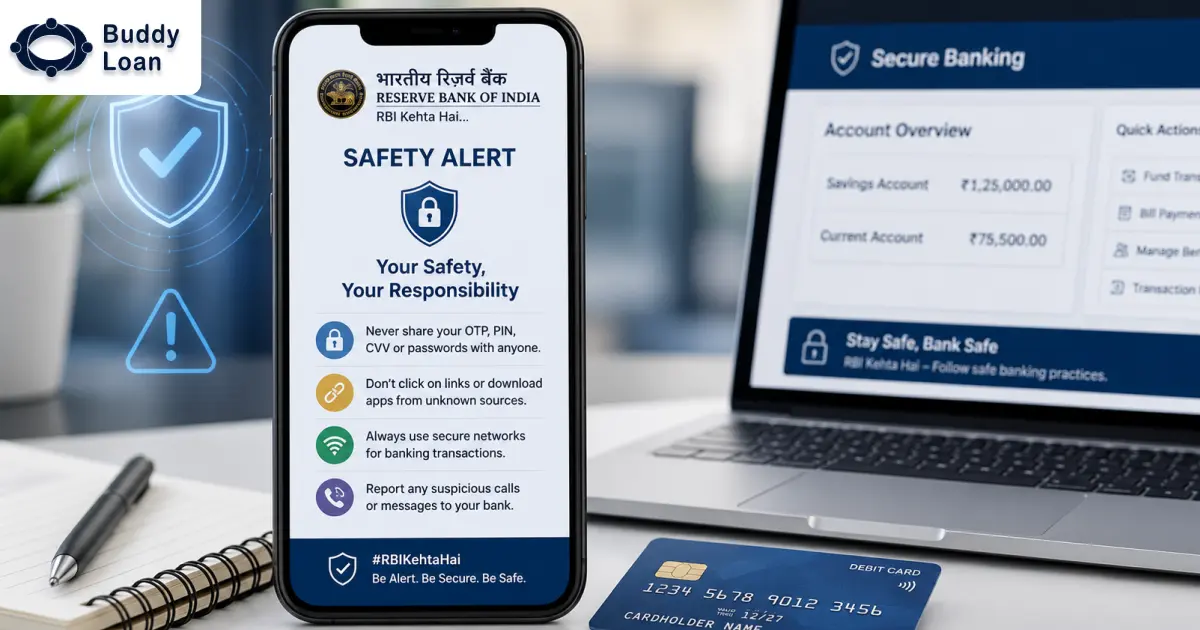
E-wallets are a go-to solution for quick and efficient financial transactions. However, in an environment with increasing cyber threats, protecting your electronic wallet becomes a primary concern.

The following are some of the practical tips to protect your e-wallet:
1. Choose strong & unique passwords to increase your e-wallet defence against unauthorised access and cyber threats. Avoid using easily guessable passwords like your date of birth or easy patterns.
2. Avoid using public Wi-Fi to access sensitive information, because public Wi-Fi is insecure. There are high possibilities for scammers to access your data.
3. Install authorised apps from the app store as there are many applications available for digital payments. Download apps only from reliable sources.
4. Don’t share your personal information or card details with anyone anywhere. Also, avoid storing card details in third party apps.
5. Enable multi-factor authentication that requires two-step verification to prove your identity. This includes setting up a unique PIN, password, or biometric authentication, such as fingerprint or facial recognition.
6. Monitor bank accounts regularly for any suspicious activities. If you detect any unidentified financial transactions, contact your bank immediately and lock your accounts.
7. Watch out for malicious activity and avoid clicking any random links you get in texts messages or emails.
8. Update software regularly to ensure you have the latest security features. It is important to stay updated since app developers issue updates to address security flaws and improve functionality.
9. Backup your eWallet data to make sure you have a record of your funds and transactions. This helps in case your device is lost or stolen.
Also Read: Use Your e-Wallet Amount for Payments via UPI Apps
In Conclusion
In terms of managing your finances, e-wallets offer unparalleled convenience, but this shouldn’t come at the cost of security breach. By following the above mentioned practices, you can protect your e-wallet from potential threats. These extra layers of security makes it much more challenging for unauthorised users to access your wallet or steal your money or data.
Regardless of how rapidly the digital world evolves, your financial security should remain as a high priority.
Download Personal Loan App
Get a loan instantly! Best Personal Loan App for your needs!!
Looking for an instant loan? Buddy Loan helps you get an instant loan from the best verified lenders. Download the Buddy Loan App from the Play Store or App Store and apply for a loan now!

Apply for Loan on BUDDYLOAN App
Interest rates starts @11.99% p.a. onwards
Download App

Rated 4.5 on Google Play

10M+ App Installs
Frequently Asked Questions
Q. How are e-wallets generally used?
A. E-wallets are generally used to store money and make online payments, transactions, and in-store purchases via smartphones or other devices.
Q. Are e-wallets safe?
A. E-wallets are generally safe, but users should take precautions to protect their personal and financial details.
Q. Do I need any documentation to open an e-wallet account?
A. To open an e-wallet account, you may need to provide basic details like your name, phone number, and email ID, but specific requirements vary as per the service providers.
Q. Do you need to link a bank account with your e-wallet?
A. Linking a bank account with your e-wallet is optional, but doing so can make it easier to add and withdraw funds.
Q. Can you pay utility bills using mobile wallets?
A. Yes, you can pay utility bills using mobile wallets, making it convenient for users to manage their expenses.