Personal loans are among the most widely used forms of credit in the financial world today. They are unsecured, meaning you don’t need to pledge property, gold, or other assets to secure approval. This makes them attractive to millions of borrowers who need funds quickly, whether to pay medical bills, consolidate debts, fund a wedding, or manage travel expenses.
According to financial experts, personal loans are one of the fastest-growing segments of consumer lending globally, thanks to digitization, quick approvals, and wider accessibility through fintech platforms. However, while the convenience is undeniable, personal loans can be a double-edged sword. The ease of access may encourage overspending, while high interest rates and rigid repayment structures can strain your finances if not managed wisely.
In this blog, we’ll break down the pros and cons of personal loans, explore the different types, highlight common alternatives, and provide a practical checklist to help you decide whether a personal loan is the right choice.
Pros of Personal Loans
Personal loans have several benefits that make them a preferred financial tool for many individuals.
1. No Collateral Required
Unlike secured loans, you don’t need to pledge assets such as property, jewelry, or fixed deposits. This makes personal loans accessible to a wide range of borrowers, particularly those who don’t own significant assets. For first-time borrowers, this is a major advantage.
2. Flexible Use of Funds
Most loans have specific purposes: a home loan for property, an auto loan for vehicles, or an education loan for studies. A personal loan, on the other hand, can be used for nearly any purpose—from funding higher education abroad to renovating your home, or even covering wedding costs. This flexibility makes them highly versatile.
3. Quick Approval and Disbursal
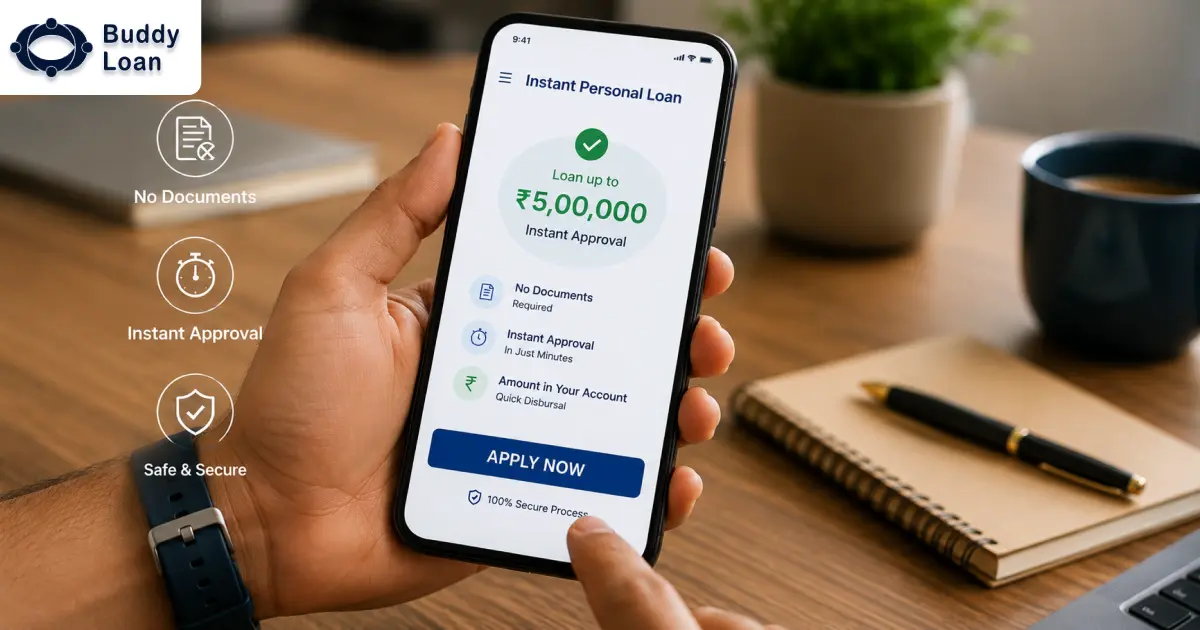
Thanks to digitization, many banks and non-banking financial companies (NBFCs) now offer instant approvals and same-day disbursals. Fintech platforms have made it possible for borrowers with a good credit profile to access funds within hours. In emergencies, this speed can make all the difference.
4. Fixed Repayment Structure
Personal loans generally come with fixed EMIs (Equated Monthly Installments). Knowing your exact repayment amount each month makes budgeting easier and ensures predictability. Loan tenures typically range from 12 months to 60 months, depending on the amount and lender.
5. Helps Build Credit History
For borrowers with limited or no credit history, a personal loan can be an entry point. By repaying on time, you establish a credit track record, which improves your credit score and opens doors to better loan offers in the future.
Cons of Personal Loans
While the advantages are appealing, it’s equally important to understand the downsides.
1. Higher Interest Rates
Since personal loans are unsecured, lenders charge higher interest rates compared to secured loans. Depending on your credit profile, rates can range between 10% and 24% (or even higher for poor credit borrowers). This makes them more expensive than loans backed by collateral.
2. Extra Fees and Charges
In addition to interest, lenders often levy processing fees (1–3% of the loan amount), late payment penalties, and prepayment charges if you decide to close the loan early. These fees add up, increasing the total cost of borrowing.
3. Strict Eligibility Criteria
Lenders carefully assess your income stability, debt-to-income ratio, and credit score. If your credit score is low, you may either face rejection or be offered a loan at very high interest rates.
4. Risk of Over-Borrowing
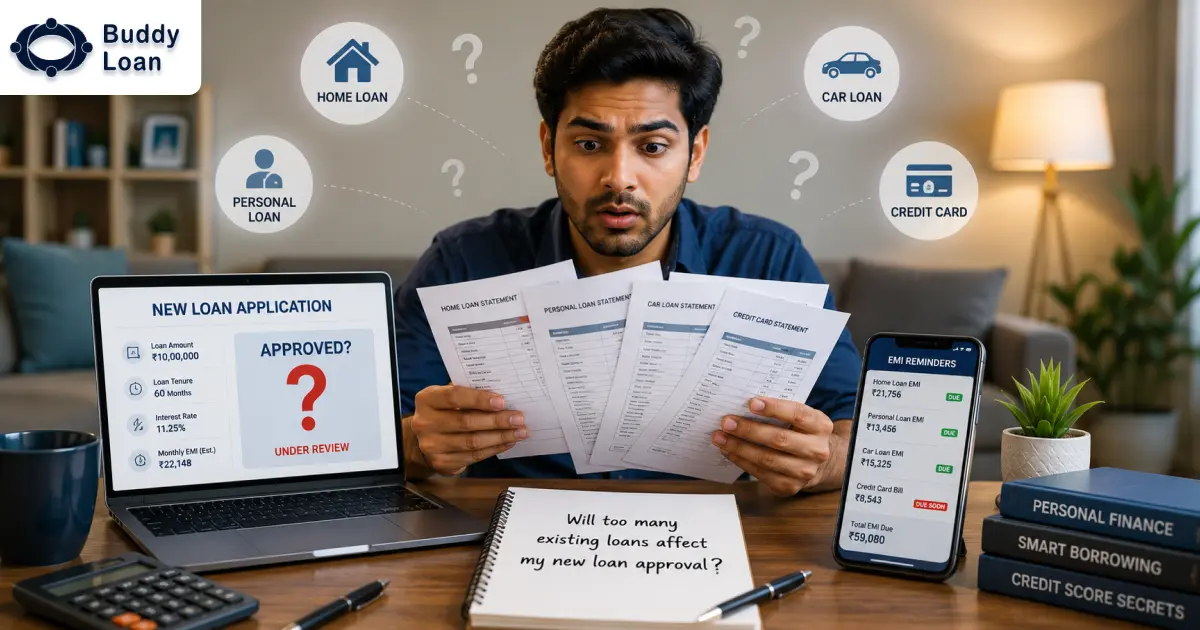
The easy availability of personal loans, especially through digital apps, can tempt borrowers to take multiple loans without evaluating their repayment ability. This often leads to a debt trap, where EMIs consume most of the monthly income.
5. Fixed Repayment Pressure
While fixed EMIs help with budgeting, they also create rigidity. If your financial situation changes—such as a job loss or unexpected medical emergency, keeping up with repayments becomes difficult. Defaulting damages your credit score and attracts penalties.
Personal Loans Pros & Cons Comparison
To help you evaluate whether a personal loan suits your financial needs, here’s a side-by-side look at the key pros and cons:
| Personal Loan Pros | Personal Loan Cons |
|---|---|
| No collateral required | Higher interest rates |
| Flexible use of funds | Processing fees & hidden charges |
| Quick approval & disbursal | Strict eligibility criteria |
| Fixed repayment schedule | EMI burden can strain income |
| Helps build a credit score | Over-borrowing may cause a debt trap |
Types of Personal Loans
Personal loans are not a one-size-fits-all solution. Depending on the borrower’s need and profile, lenders offer different categories:
| Type | Description |
|---|---|
| Secured Personal Loan | Backed by collateral (property, FD, or gold). Lower interest rates but involves risk of losing assets if you default. |
| Unsecured Personal Loan | No collateral required. Higher interest but widely used. |
| Fixed-Rate Loan | EMI remains constant throughout the tenure. Easier for budgeting. |
| Variable-Rate Loan | Interest rates fluctuate with market conditions, leading to changing EMIs. |
| Debt Consolidation Loan | Designed to combine multiple debts (like credit card dues) into one loan with a lower interest. |
| Short-Term Personal Loan | Smaller loan amounts with repayment periods of 12–24 months. |
Understanding these types helps borrowers choose a product that aligns with their financial needs.

|
Real-Life Example of Using Personal Loans Wisely Case Study: Ramesh, a 35-year-old professional from Delhi
Takeaway: Personal loans are best used to replace higher-interest debts. However, if Ramesh had taken the loan for a non-essential expense like a vacation, without ensuring repayment discipline, he could have slipped further into debt. |
Alternatives to Personal Loans
Before signing up for a personal loan, consider whether these alternatives may be more cost-effective:
- Credit Card Balance Transfer – Move outstanding dues to a credit card offering a low or zero interest rate for a limited time.
- Loan Against Fixed Deposits (FDs) or Mutual Funds – Secured borrowing with much lower interest.
- Salary Advance Loans – Some employers or fintechs provide salary-linked loans with minimal paperwork.
- Home Equity Loan/Line of Credit – If you own property, this can provide larger funds at a lower rate.
- Gold Loans or Property Loans – Collateral-backed loans with relatively lower interest.
Checklist Before Taking a Personal Loan
To avoid regrets later, run through this checklist:
- Evaluate the Need – Is the loan for an emergency or non-essential spending?
- Check Credit Score – A higher score increases your chances of approval at favorable rates.
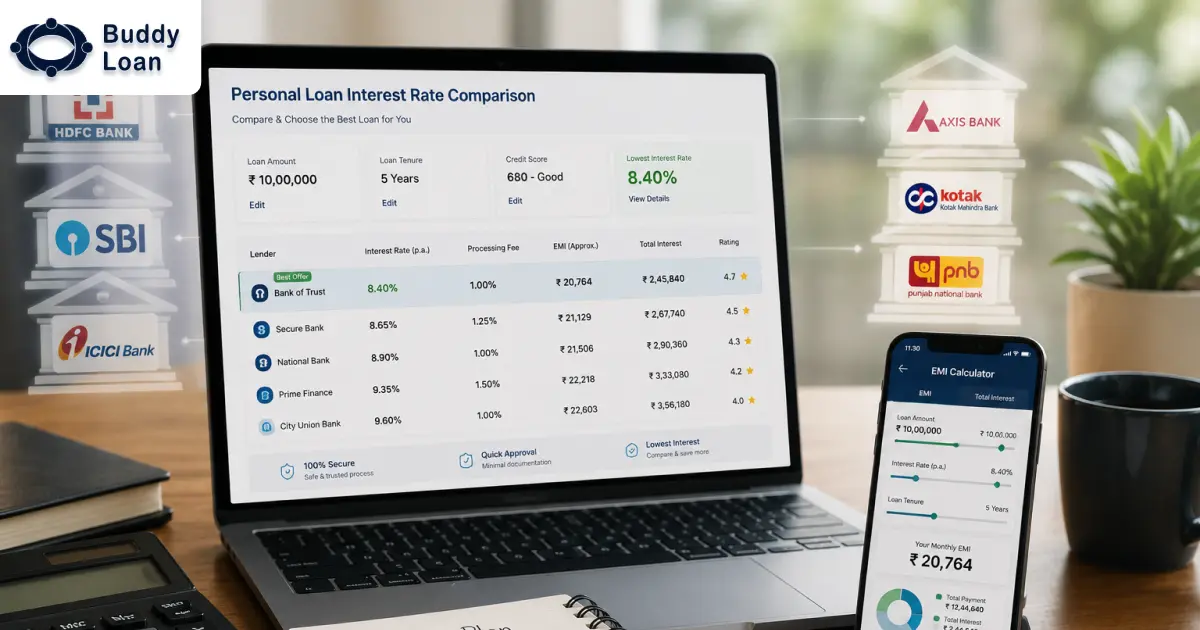
- Compare Offers – Review multiple lenders (banks, NBFCs, fintech apps) for the best terms.
- Calculate EMIs – Use EMI calculators to ensure repayments fit your budget.
- Read the Fine Print – Watch for processing fees, hidden charges, and foreclosure rules.
- Plan for Repayment – Ensure steady income before committing to fixed EMIs.
When Should You Consider a Personal Loan?
You should consider a personal loan if:
- You need quick funds for emergencies.
- You want to consolidate high-interest debt.
- You don’t have collateral for secured loans.
- You have a good credit score and a stable income.
Avoid a personal loan if:
- You already have multiple loans.
- The loan is for luxury spending you can’t afford.
- The interest rate offered is too high compared to alternatives.
Conclusion
Personal loans can be a lifeline or a liability, depending on how wisely they’re used. They offer flexibility, no-collateral borrowing, and quick approvals, making them ideal for emergencies and debt consolidation. But with higher interest rates and strict repayment schedules, caution is key.
If you’re considering a personal loan, it’s important to compare lenders and loan terms before applying. Platforms like the Buddy Loan simplify this process by connecting borrowers with a network of verified lenders, helping you find the right loan for your financial needs. This ensures faster access to funds while giving you multiple options to choose from, all in one place.
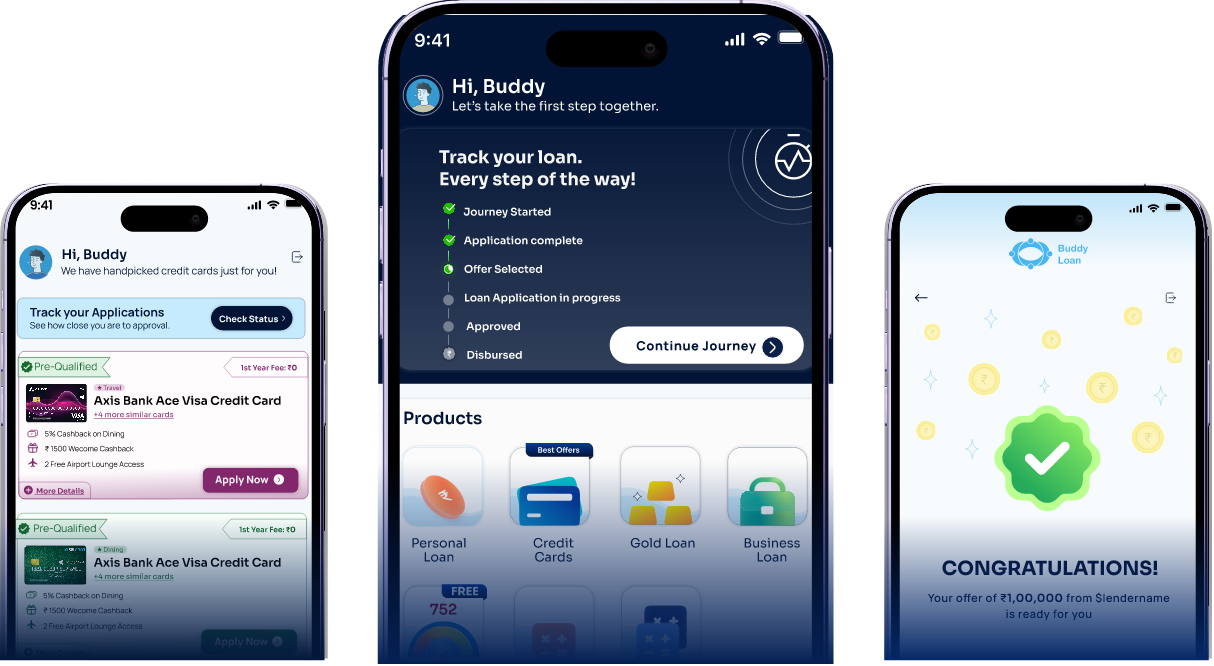
Download the Buddy Loan App Now!
One solution to each of your financial needs at your fingertip.

Scan to download now