Navratri, one of Hinduism’s most sacred and vibrant festivals, is celebrated twice a year—once in Chaitra (spring) and again in Sharad (autumn). Both hold deep mythological, seasonal, and spiritual importance. These nine-day celebrations are devoted to Goddess Durga and her nine forms, observed with fasting, daily rituals, community pujas, Garba dances, Kanya Pujan, and the grand culmination with Ram Navami or Vijayadashami.
In 2025, Chaitra Navratri will be celebrated from Sunday, 30 March, to Monday, 7 April, culminating in Ram Navami. Later that year, Sharad Navratri will fall between Monday, 22 September, and Wednesday, 1 October, concluding with Vijaya Dashami on Thursday, 2 October 2025.
For 2026, Chaitra Navratri will occur from Thursday, 19 March, to Friday, 27 March, with Ram Navami observed either on March 26 (Smarta) or March 27 (Vaishnava), depending on sect and tithi timing. Meanwhile, Sharad Navratri 2026 will take place sometime between mid-September and mid-October, though the exact dates are yet to be confirmed, as this celebration depends on the lunar tithi of Ashwin Shukla Pratipada, not a fixed Gregorian date.
Key Highlights of Navratri 2025 & 2026
| Festival Name | Navratri (Sharad & Chaitra) |
| Primary Keyword | Navratri |
| Chaitra Navratri 2025 | Sunday, 30 March – Monday, 7 April 2025 |
| Sharad Navratri 2025 | Monday, 22 September – Wednesday, 1 October 2025
(Vijaya Dashami: Thursday, 2 October 2025) |
| Chaitra Navratri 2026 | Thursday, 19 March – Friday, 27 March 2026 |
| Sharad Navratri 2026 | Monday, 28 September – Wednesday, 7 October 2026
(Vijaya Dashami: Thursday, 8 October 2026) |
| Observed By | Hindus across India and the global diaspora |
| Worshipped Deity | Goddess Durga and her nine manifestations (Navadurga) |
| Main Celebrations | Fasting, Navratri Puja Vidhi, Kanya Puja, Garba Nights, Dandiya Raas, Durga Ashtami, Ram Navami, Durga Visarjan |
| Public Significance | Symbolizes the eternal victory of good over evil; also marks seasonal shifts—spring (Chaitra) & autumn (Sharad); celebrated with massive cultural diversity across India |

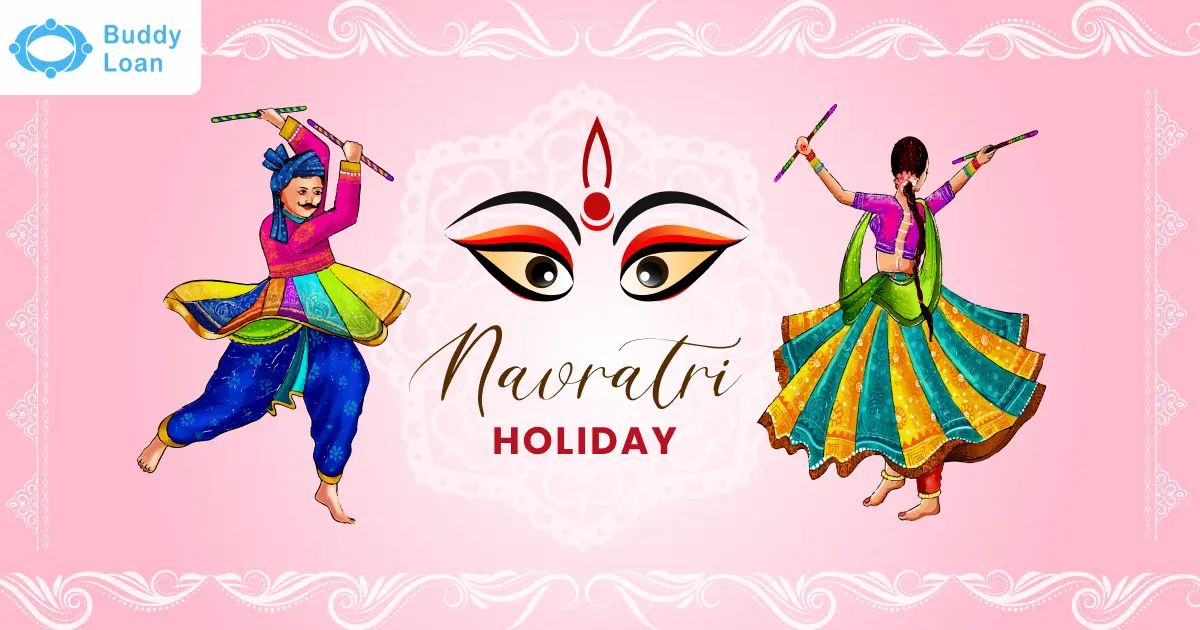
Navratri Holiday
Navratri is one of the most vibrant and spiritually significant festivals in Hindu tradition—but is Navratri a public holiday? Well, not exactly.
While the entire Navratri period (September 28 – October 7, 2026) is not officially recognized as a national public holiday in India, key days within the festival are observed widely—often as public, restricted, or bank holidays depending on the region.
Important Navratri Holiday Dates in 2025 and 2026
| Occasion | Date (2025) | Holiday Type & Observance |
| Durga Ashtami (Ashtami) | Wednesday, 1 October | Public/Restricted Holiday in many states; significant day for Kanya Puja and fasting rituals |
| Mahanavami (Navami) | Thursday, 2 October | Public Holiday in Eastern states like West Bengal, Tripura, Odisha; ceremonial pujas observed |
| Vijayadashami (Dussehra) | Friday, 3 October | Gazetted Holiday across India, symbolizing the victory of Dharma over Adharma |
| Occasion | Date(2026) | Holiday Type & Observance |
| Durga Ashtami (Ashtami) | Monday, 5 October | Public/Restricted Holiday in many states; major rituals and fasting day |
| Mahanavami (Navami) | Tuesday, 6 October | Public holiday in Eastern states like West Bengal, Assam, Odisha |
| Vijayadashami (Dussehra) | Wednesday, 7 October | Gazetted Holiday across India – marks the triumph of good over evil |
Navratri Bank Holidays
Navratri as a whole is not a standard bank holiday.
Banks are likely to remain closed on Vijayadashami (Oct 7, 2026) , especially in cultural hubs like
- Gujarat
- Maharashtra
- West Bengal
- Uttar Pradesh
Pro Tip: In states like West Bengal and Assam , offices and schools may remain closed for a few days around Durga Puja , which overlaps with Sharad Navratri—so plan your work and banking activities accordingly!

Importance of Navratri
Observed twice a year—Chaitra Navratri in spring (March–April) and Sharad Navratri in autumn (September–October)—this vibrant festival marks the triumph of good over evil and honors the nine forms of Goddess Durga, collectively known as Navadurga.
Across India, each region celebrates Navratri in its own unique way:
- In Gujarat and Maharashtra, the nights come alive with Garba and Dandiya Raas, transforming streets and courtyards into rhythmic sanctuaries of dance.
- In West Bengal, Sharad Navratri culminates in Durga Puja, one of India’s most elaborate cultural and religious spectacles.
- In North India, Chaitra Navratri is a time for spiritual cleansing, fasting, and devotion, leading up to Ram Navami—the birth of Lord Rama.
Beyond cultural festivities, Navratri holds astrological and yogic significance:
- It aligns with major seasonal transitions—spring (Chaitra) and autumn (Sharad)—which are ideal for inner purification and renewal.
Each of the nine days is said to correspond with one of the nine chakras (energy centers) in the body, making it a spiritually potent time for meditation, prayer, and self-discipline.
History of Navratri
Navratri is a Legacy of Divinity, Victory & Cultural Evolution. The origins of Navratri stretch deep into the ancient layers of Vedic literature and Puranic texts, making it one of the oldest and most sacred festivals in Hindu tradition. Central to the festival is the legend of Goddess Durga’s epic battle with Mahishasura, as narrated in the Devi Mahatmya from the Markandeya Purana.
According to the scripture, Goddess Durga fought Mahishasura for nine nights and ten days, ultimately vanquishing him on the tenth day—celebrated as Vijayadashami (Dussehra). This tale symbolizes the victory of righteousness (Dharma) over arrogance and evil (Adharma) and reaffirms the strength of the divine feminine (Shakti).
Historically, warrior clans and kings invoked Goddess Durga’s blessings through special Yajnas and rituals before going to war, especially during Sharad Navratri, which aligned with pre-harvest and post-monsoon military campaigns. The tradition of Ayudha Puja (worship of weapons and tools), still practiced on the 9th day in southern states, stems from these ancient customs of preparing spiritually and physically for battle.
As Navratri travelled through centuries, it absorbed regional traditions, transforming into a multidimensional festival:
- In Eastern India, especially West Bengal, Sharad Navratri morphed into Durga Puja, featuring elaborate pandals, idol processions, and cultural shows.
- In Western India, particularly Gujarat, it evolved into a grand community celebration of Garba and Dandiya Raas, where dance became a spiritual offering.
- In South India, Golu (the doll display tradition) and Ayudha Puja became central, celebrating knowledge, learning, and tools of livelihood.
In Northern India, Chaitra Navratri gained importance with fasting, Ram Navami observances, and the Hindu New Year, reflecting its agrarian and spiritual roots.
Different Types of Navratri
When most people hear “Navratri,” they instantly think of colorful Garba nights, Durga Puja pandals, and Dussehra festivities in September or October. But here’s something fascinating — Navratri isn’t just a once-a-year celebration. It actually occurs four times annually, each aligning with a different seasonal and spiritual shift in the Hindu calendar.
Let’s break them down:
♦ Sharada Navratri (September–October)
- Most Celebrated & Popular: Also called Shardiya Navratri , this is what most people refer to when they say “Navratri.”
- Timing: Falls in the Ashwin month (around September–October).
- Significance: Marks Goddess Durga’s victory over Mahishasura, symbolizing the triumph of good over evil.
- Major Celebrations:
⇒ Durga Puja in Eastern India (especially West Bengal, Assam, and Odisha).
⇒ Garba & Dandiya in Western states like Gujarat and Maharashtra.
⇒ Dussehra (Vijayadashami) on Day 10 marks the conclusion.
♦ Chaitra Navratri (March–April)
- Springtime Renewal: Also known as Vasant Navratri , it kicks off the Hindu New Year in many regions.
- Timing: Celebrated during the Chaitra month (March–April).
- Culmination: Ends with Rama Navami, celebrating the birth of Lord Rama.
- Who Celebrates: Popular in North India with customs like fasting, Kanya Puja, and home altars—very similar to Sharada Navratri.
- Theme: Symbolizes spiritual rebirth, personal reflection, and new beginnings, in sync with Vasant Ritu (spring season).
♦ Magha Navratri (January–February)
- The Silent Seeker’s Navratri: Known as a Gupt (secret) Navratri , observed by spiritual practitioners, sages, and tantric followers.
- Timing: Falls in the Magha month (Jan.–Feb.); the fifth day coincides with Vasant Panchami, honoring Goddess Saraswati.
- Focus: Primarily about meditation, mantra japa, and inner awakening, rather than public celebrations.
♦ Ashadha Navratri (June–July)
- Monsoon Navratri: Another Gupt Navratri , occurring during the Ashadha month (around June–July).
- Mystical Practice: Primarily practiced by Tantric sects and certain temples in South and Eastern India.
- Spiritual Importance: Emphasizes spiritual discipline, occult worship, and connection with divine feminine energy in her esoteric form.
Navratri Rituals & Traditions
Navratri isn’t just about fasting or dance—it’s an all-encompassing spiritual and cultural experience celebrated over nine nights and ten days. Across India, these days are filled with ritual purity, vibrant traditions, devotion to Goddess Durga, and a powerful journey of inner transformation.
While regional practices vary, the core Navratri rituals remain consistent, blending deep spiritual discipline with communal harmony and cultural richness .
Ghatasthapana (Kalash Sthapana)
- When : Performed at sunrise on Day 1.
- What Happens : A kalash (sacred water pot) is installed over soil and barley seeds, topped with a coconut and mango leaves.
- Why It Matters : This marks the invocation of Goddess Durga’s presence into the home or temple. As the barley sprouts grow, they symbolize prosperity and new beginnings.
Daily Devi Pujan (Navadurga Worship)
- Each day is dedicated to one of Durga’s nine avatars, from Shailaputri to Siddhidatri.
- Offerings include fresh flowers, incense, fruits, coconut, sweets, and red cloth.
- Mantras & Texts : Devotees recite Durga Saptashati, Devi Kavach, or Chandi Path based on tradition.
Fasting and Dietary Discipline
- A key aspect of Navratri is fasting (vrat) to purify the body and mind.
- No salt? No problem! Devotees use sendha namak (rock salt) instead of regular sal
Allowed foods:
- Sabudana (sago)
- Kuttu (buckwheat)
- Singhara (water chestnut flour)
- Potatoes, arbi, pumpkin
- Fruits, milk, curd, paneer
Color Code Tradition
- Each Navratri day is associated with a specific color representing the attributes of the day’s deity.
- In states like Maharashtra and Gujarat, it’s customary to wear that day’s color as a sign of devotion.
Kanya Pujan/Kumari Puja
- Performed on Ashtami (8th day) or Navami (9th day).
- Who’s worshipped : Nine young girls under the age of 10, symbolizing the nine forms of Durga.
- Offerings : foot washing, tilak, prasad (puri, chana, halwa), gifts, and respect.
Garba & Dandiya Raas
- In states like Gujarat and Maharashtra, Garba (clapping dance) and Dandiya Raas (stick dance) light up the nights.
- People wear traditional attire: Chaniya cholis, lehengas, and kediyus, paired with glitter and mirror work.
- It’s not just dance—it’s a circular, rhythmic celebration of life and divinity, centered around a symbolic Garba lamp or Durga idol.
Ayudha Puja & Saraswati Puja
- Celebrated on Navami, especially in South India.
- People clean and worship tools, musical instruments, vehicles, books, electronics, and weapons.
- Why: This expresses reverence for knowledge, skill, and creation, recognizing that all tools of livelihood are sacred.
Durga Visarjan & Vijayadashami
- On the 10th day, devotees immerse clay idols of Goddess Durga in rivers, lakes, or seas.
- It marks Vijayadashami (Dussehra)—a celebration of Durga’s and Lord Rama’s victory over evil.
Homes and temples perform final aartis, and sweets are distributed as the spiritual journey concludes.
Ways to Celebrate Navratri
People from every corner of India (and even abroad!) bring their own flavor to the celebration. Here’s how:
Participate in Garba & Dandiya Nights
⇒ Join traditional dance events, especially in Gujarat, Maharashtra, and urban cities across India.
⇒ Dress in colorful ethnic attire, grab your dandiya sticks, and enjoy the evening in rhythmic devotion.
Set Up a Golu Display
⇒ In Tamil Nadu, Karnataka, and Andhra Pradesh, families arrange dolls in themed steps called Golu (or Bombe Habba).
⇒ It’s a social tradition—neighbors and friends visit each other’s homes, exchange gifts, and bond over festive sweets.
Observe the Fast (Vrat)
⇒ Choose from various fasting types—nirjal (water-only), fruit-only, or single meal per day.
⇒ It’s a time for detoxing the body and focusing inward spiritually.
Daily Puja and Aarti
⇒ Light diyas, offer flowers, chant Durga Saptashati, and perform aarti every evening.
⇒ Some devotees follow a strict daily alankaram (goddess dressing), adorning Durga in different colors based on the Navratri day.
Kanya Puja at Home
⇒ Honor young girls as a manifestation of Devi by offering them food, sweets, gifts, and new clothes.
⇒ This is widely observed on Ashtami (8th day) or Navami (9th day).
Visit Famous Durga Pandals
⇒ In cities like Kolkata, Delhi, and Mumbai, beautifully themed Durga pandals are set up.
⇒ Witness the grandeur of the idols, stage designs, cultural performances, and community feasting.
Join Bhajans, Jagrans & Community Pujas
⇒ Many temples and housing societies organize Navratri bhajans, recitations, and devotional singing.
⇒ In rural India, community Ram Lila plays are a major attraction.
Decorate Your Home
⇒ Light up your space with rangoli, fairy lights, and torans, and keep a clean, spiritual ambience.
⇒ Some also sow barley (jawara) in Kalash pots to signify prosperity.
Famous Destinations for Navratri Celebration
Across India, different cities and states celebrate it in uniquely grand styles , making them top destinations to experience the true magic of the season.
Ahmedabad & Vadodara, Gujarat
These cities host the largest and most energetic Garba and Dandiya Raas events in the world. The scale, music, and local enthusiasm are unmatched.
Highlights:
⇒ The iconic United Way Garba
⇒ Traditional attire and local bands
⇒ Electrifying community spirit
Kolkata, West Bengal
In Kolkata, Navratri merges with Durga Puja, creating a spectacle of art, devotion, and social revelry.
Highlights:
⇒ More than 3,000 themed Durga pandals
⇒ Cultural performances, dhunuchi naach, and bhog
⇒ Visarjan processions on the 10th day
Mumbai, Maharashtra
A melting pot of communities, Mumbai celebrates with a fusion of Garba nights, Durga pandals, and vibrant music events.
Highlights:
⇒ Famous Navratri nights in suburbs like Borivali, Malad, and Thane
⇒ Celebrity-hosted events and designer dandiya nights
Mysuru, Karnataka
Known for the grand Mysore Dasara, this city adds regal elegance to Navratri.
Highlights:
⇒ 400+ years old royal procession tradition
⇒ Palace illumination and cultural showcases
⇒ Ayudha Puja observed with rituals and grace
Varanasi, Uttar Pradesh
Witness the spiritual essence of Ramlila performances and Durga Puja against the backdrop of the Ganga ghats.
Highlights:
⇒ Ramlila at Ramnagar Fort
⇒ Ganga aarti during Navratri
⇒ Deep-rooted devotion and ancient rituals
Chennai, Tamil Nadu
For a more serene and artistic Navratri experience, Chennai’s Golu doll displays and classical music concerts are unmissable.
Highlights:
⇒ Golu/Kolu setups in homes and temples
⇒Carnatic music and Bharatanatyam recitals
⇒Saraswati Puja and Ayudha Puja ceremonies
Hyderabad & Secunderabad, Telangana
Experience the floral beauty and cultural essence of Bathukamma, a Navratri tradition unique to Telangana.
Highlights:
⇒ Thousands of women participate in flower arrangements & folk songs
⇒ Traditional attire and group celebrations
⇒ Fusion of devotion and ecology
Final Thoughts
Navratri, whether celebrated in spring (Chaitra) or autumn (Sharad), is more than just a festival—it’s a spiritual journey, a cultural legacy, and a collective expression of devotion to Maa Durga and her nine divine forms. It blends fasting, prayer, music, dance, and rituals into a powerful experience that nourishes both the soul and community spirit.
In 2025, Sharad Navratri falls from Monday, September 22, to Wednesday, October 1, with Vijayadashami (Dussehra) celebrated on Thursday, October 2. Earlier in the year, Chaitra Navratri brings in the Hindu New Year from Sunday, March 30, to Monday, April 7, marking a time of spiritual renewal and fresh beginnings.
Meanwhile, in 2026, Chaitra Navratri will occur from Thursday, March 19 to Friday, March 27, and Sharad Navratri from Monday, September 28 to Wednesday, October 7, culminating in Dussehra on October 8, 2026.
Download the Buddy Loan App Now! One solution to each of your financial needs at your fingertip. Scan to download now