
Gold prices in India rise after import duty hike because the government increased the import duty on gold and silver from 6% to 15%, making imported bullion costlier and immediately lifting domestic market prices. Since India depends heavily on imported gold, higher duties quickly affect MCX prices, jewellery rates, Gold ETFs, and investor sentiment.
For buyers, this means wedding jewellery, coins, bars, and physical gold purchases may become more expensive. For investors, the key question is not “Should I buy gold now?” but how much gold should I hold, and in what form?


2026 Bullion Shock onCurrent Gold & Silver Rates
As of May 14, 2026, retail gold prices in India are hovering near ₹16,233 per gram for 24K purity and ₹14,880 for 22K gold. Silver has reached a psychological peak of ₹3,00,000 per kilogram. These rates reflect a mechanical adjustment to the new 15% import duty structure.
The price movement on May 13, 2026, was one of the most aggressive in Indian history. On the Multi Commodity Exchange (MCX), gold futures jumped by over ₹9,000 in a single day, a spike of nearly 6%.
City-Wise Retail Rates (May 14, 2026)
The following table provides the latest retail market rates across major Indian hubs. While prices vary slightly due to local taxes and transportation, leading national jewellery brands continue to maintain uniform pricing across these metros.
| City | 24K Gold (per gram) | 22K Gold (per gram) | Silver (per kg) |
| Delhi | ₹16,216 | ₹14,866 | ₹3,00,000 |
| Mumbai | ₹16,233 | ₹14,880 | ₹3,00,000 |
| Bangalore | ₹16,233 | ₹14,880 | ₹3,00,000 |
| Chennai | ₹16,368 | ₹15,001 | ₹3,20,100 |
| Kolkata | ₹16,233 | ₹14,880 | ₹3,00,000 |
Check Today’s Gold Rate in India
Why India’s Gold Prices Are Rising After Import Duty Hike
Indian gold prices rise after import duty hike because higher import taxes increase the landed cost of gold. Since India imports most of its gold demand, any rise in import duty directly raises domestic prices, even when global gold prices remain unchanged.
The latest gold import duty hike India has created a sharp pricing adjustment across bullion, jewellery, futures, and ETFs. The revised duty structure includes 10% basic customs duty and 5% Agricultural Infrastructure and Development Cess, taking the total effective import tax to 15%.
That matters because India is one of the world’s largest gold-consuming markets. Domestic supply depends heavily on imports, so a higher duty works like a direct price shock.
In simple terms:
- Importers pay more to bring gold into India.
- Bullion dealers adjust rates higher.
- Jewellers pass higher costs to customers.
- MCX futures react quickly.
- Gold ETFs may move up as their underlying gold value rises.
This is why gold prices in India in 2026 are not moving, only because of global gold rates. They are also being shaped by domestic tax policy, currency pressure, and investor demand.
What Changed in India’s Gold Import Duty?
The government raised import duty on gold and silver from 6% to 15%. This makes official imports costlier and can push domestic prices higher, especially in the short term.
Here is the simplified duty structure:
| Item | Earlier Duty | Revised Duty | Likely Market Impact |
| Gold | 6% | 15% | Higher domestic gold prices |
| Silver | 6% | 15% | Higher silver prices |
| Platinum | Around 6.4% | Around 15.4% | Costlier platinum imports |
| Gold and silver findings | Revised separately | 5% duty reported | Jewellery component costs may rise |
The government’s goal is to reduce overseas purchases, protect foreign exchange reserves, and manage pressure on the rupee. India’s gold and silver import bill had become a concern, especially with rising global uncertainty and higher demand for precious metals.
Why Does Import Duty Affect Gold Prices So Quickly?
Gold reacts fast to import duty changes because bullion pricing is closely linked to landed cost, currency value, customs duty, GST, dealer margin, and demand. A duty hike increases the tax component immediately.
Think of gold pricing in India as a layered cost structure.
Basic Gold Price Formula in India
The domestic gold price usually reflects:
- International gold price
- USD-INR exchange rate
- Import duty
- AIDC or cess
- GST
- Logistics and refining costs
- Dealer premium
- Jewellery making charges, if applicable
So, even if global gold prices stay flat, Indian gold rates can rise when import duty increases.
For example, if imported gold becomes more expensive due to tax, the domestic market has to adjust. Jewellers, bullion dealers, and ETF pricing mechanisms all reflect this higher replacement cost.
Check out the Gold and Silver ETF rules effective from April 1st 2026
How the Gold Import Duty Impact on India Affects Buyers
The gold import duty impact on India is different for different buyers. Jewellery shoppers face higher purchase costs, investors see higher asset values, and traders deal with sharp volatility.
For Retail Gold Buyers
Retail buyers may notice:
- Higher 22K and 24K gold rates
- Wider difference between old and new purchase prices
- More variation between city-wise rates
- Possible delays in jewellery price revisions
- Higher final bills due to GST and making charges
The biggest impact is on fresh buyers. People who already own gold may see the value of their holdings rise.
For Jewellery Buyers
Jewellery buyers face a double cost effect:
- Higher bullion cost
- Making charges and GST calculated on higher base value
This can make wedding jewellery budgets stretch quickly.
For Investors
Investors may benefit if they already hold gold. But new investors should avoid rushing in after a sharp move. Gold futures jumped sharply after the tariff increase, showing how quickly markets priced in the duty change.
Impact on Wedding Shoppers and Jewellery Buyers
Wedding shoppers should not panic-buy gold after the duty hike. Instead, they should plan purchases in phases, compare making charges, consider lighter designs, and separate jewellery needs from investment goals.
In India, gold is not just an investment. It is part of weddings, festivals, family savings, and cultural gifting.
That makes the current price rise emotionally difficult for buyers. A family planning wedding jewellery may not have the flexibility to delay all purchases.
Practical Tips for Wedding Gold Buyers
Use this approach:
- Buy essential jewellery first: Prioritize must-have items such as mangalsutra, bangles, chains, or traditional family pieces.
- Avoid buying all gold in one day: Spread purchases over weeks or months to reduce timing risk.
- Compare making charges: Making charges can vary widely. A lower making charge can partly offset higher gold prices.
- Check buyback policies: Choose jewellers with transparent exchange and resale terms.
- Consider lower-weight designs: Lightweight jewellery can preserve the look while reducing the bill.
- Avoid impulse coin or bar purchases from jewellery counters: Investment gold should be evaluated separately from ornamental gold.
| For example, suppose a family planned to buy 300 grams of jewellery for a wedding. A sharp increase in gold rates can raise the total budget by lakhs, especially after making charges and GST.
A better strategy may be:
|
Impact on Gold Investors in 2026
For investors, the India gold price rise in 2026 reinforces gold’s role as a hedge, but it also increases the risk of buying after a sudden spike. A disciplined allocation strategy is better than emotional buying.
Gold has three main roles in a portfolio:
- Inflation hedge
- Currency hedge
- Crisis hedge
When the rupee weakens, global risk rises, or equity returns disappoint, gold often attracts more attention. Reports also showed strong interest in Gold ETFs, with ETF activity rising after the duty hike.
But investors should be careful. A tax-driven price jump can create short-term excitement. It does not mean gold will move up in a straight line.
What Existing Gold Investors Should Do
If you already hold gold:
- Review your total allocation.
- Avoid selling only because prices jumped.
- Rebalance if gold has become too large a part of your portfolio.
- Prefer tax-efficient and liquid forms for investment exposure.
- Keep jewellery separate from investment gold.
What New Investors Should Do
If you are planning to buy now:
- Avoid lump-sum buying after a sharp rally.
- Use staggered purchases.
- Choose ETFs or digital formats only through regulated platforms.
- Keep gold allocation within your financial plan.
- Do not replace emergency funds or insurance with gold.
Gold ETFs vs Physical Gold India: Which Is Better After the Duty Hike?
Gold ETFs are usually better for investment, while physical gold is better for personal use, gifting, and jewellery needs. After the import duty hike, investors may prefer ETFs for liquidity, transparency, and lower storage risk.
Here is a practical comparison.
| Factor | Physical Gold | Gold ETFs |
| Best For | Jewellery, gifting, cultural use | Investment exposure |
| Storage | Requires locker or safe storage | Held in a demat account |
| Purity Risk | Possible if bought from an unreliable seller | Lower, fund-backed structure |
| Making Charges | Applies to jewellery | No making charges |
| Liquidity | Depends on the jeweller or buyer | Can be sold on the exchange |
| Pricing | Includes premium, GST, and making charges | Linked to market price |
| Emotional Value | High | Low |
| Investment Efficiency | Lower for jewellery | Higher for investors |
When Physical Gold Makes Sense
Physical gold may be suitable when:
- You need jewellery for a wedding.
- You are buying for cultural or family reasons.
- You prefer tangible assets.
- You can verify purity and store safely.
When Gold ETFs Make Sense
Gold ETFs may be suitable when:
- You want investment exposure.
- You do not need jewellery.
- You want easy buying and selling.
- You want to avoid making charges.
- You already have a demat account.
Gold ETFs and silver ETFs rallied after the import duty announcement, showing that financial-market gold products also respond to domestic pricing changes.
Also Read: A New Way to Invest in Gold

Should You Buy Gold Now?
You may buy gold now only if it fits your need and allocation. Wedding buyers can purchase in phases, while investors should avoid chasing prices after a sharp rise. A staggered strategy is safer than one large purchase.
The answer depends on your purpose.
Buy Now If
You may buy now if:
- You need gold for a wedding within 1–3 months.
- Your portfolio has little or no gold exposure.
- You are buying in small, planned amounts.
- You are using gold as a hedge, not a quick-profit trade.
- You are comfortable with price volatility.
Wait or Stagger If
You may wait or stagger if:
- You are buying only because prices are rising.
- You already hold enough gold.
- You are using borrowed money.
- You are unsure whether you need physical gold or ETF exposure.
- You expect short-term volatility.
Avoid Buying If
Avoid buying gold if:
- It will disturb your emergency fund.
- You are replacing long-term equity investing with gold.
- You are buying jewellery as an “investment” without considering the making charges.
- You are trying to time a quick trade without understanding commodity risk.
Gold Investment Strategy 2026
A smart gold investment strategy for 2026 should focus on allocation, staggered buying, form selection, and rebalancing. Gold can protect wealth, but overexposure can reduce long-term portfolio growth.
Step 1: Decide Your Gold Allocation
For many retail investors, gold works best as a limited allocation within a diversified portfolio.
A common approach:
| Investor Type | Possible Gold Allocation |
| Conservative investor | 10%–15% |
| Balanced investor | 5%–10% |
| Aggressive equity investor | 5% or less |
| Wedding buyer | Based on need, not portfolio allocation |
This is not a fixed rule. Your allocation depends on income, age, goals, risk tolerance, and existing assets.
Step 2: Separate Jewellery From Investment
This is one of the biggest mistakes Indian families make.
Jewellery is not the same as investment gold because:
- Making charges reduces resale value.
- Designs may not get full value on resale.
- GST and wastage charges add cost.
- Emotional attachment makes selling difficult.
For investment, Gold ETFs are often cleaner than jewellery.
Step 3: Use Staggered Buying
Instead of buying ₹5 lakh worth of gold in one day, consider buying in parts.
Example:
- 25% now
- 25% after one month
- 25% after a price correction
- 25% closer to the actual need
This reduces the risk of buying at a short-term peak.
Step 4: Rebalance Annually
If gold rises sharply, your allocation may become too high.
Example:
- Your portfolio was 10% gold.
- Gold prices jumped.
- Gold becomes 17% of your portfolio.
At that point, you may rebalance by selling some investment gold or investing more in other assets.
India Gold Price Outlook
India’s gold price outlook remains supported by higher import duties, global uncertainty, currency movement, and investment demand. But short-term prices may stay volatile due to profit booking, weak jewellery demand, and changing dealer premiums.
Several forces are working at the same time.
Factors That Can Push Gold Prices Higher
Gold prices may remain firm if:
- The rupee weakens.
- Global uncertainty continues.
- Central banks maintain gold demand.
- Inflation fears rise.
- Investors increase ETF exposure.
- Domestic supply tightens due to lower imports.
Factors That Can Cool Gold Prices
Gold prices may soften if:
- Global gold prices correct.
- The rupee strengthens.
- Jewellery demand drops sharply.
- Dealers offer discounts due to weak buying.
- Investors book profits after the spike.
- Government policy changes again.
Reuters reported record discounts in India after the sharp price rise, as weak retail demand and profit-taking appeared in the physical market. That shows why buyers should not assume every price spike means an immediate shortage.
Gold and Silver Import Duty Hike: What About Silver?
The gold and silver import duty hike affects silver even more sharply for some buyers because silver has strong industrial demand, investment demand, and retail demand. Silver prices can be more volatile than gold.
Silver is not just a precious metal. It is also used in:
- Solar panels
- Electronics
- Electric vehicles
- Industrial components
- Jewellery
- Coins and bars
- Silver ETFs
Because silver has both investment and industrial demand, its price can move faster than gold during policy shocks.
Silver futures also reacted strongly after the duty increase, with reported sharp gains in domestic markets.
Should Retail Investors Buy Silver Now?
Silver can offer upside, but it is more volatile.
Consider silver only if:
- You understand price swings.
- You already have a stable core portfolio.
- You are not buying only because of recent headlines.
- You prefer ETFs over bulky physical silver for investment.
Should You Take a Gold Loan During a Gold Price Hike?
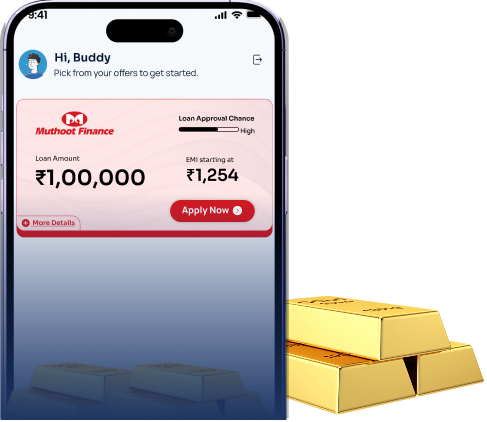
A gold loan can help during a gold price hike because pledged gold may qualify for a higher loan amount. However, it should be used only for short-term cash needs with a clear repayment plan.
When gold prices rise, lenders may value the same jewellery or coins higher, depending on purity, valuation, and loan-to-value rules.
A gold loan may be useful for medical emergencies, wedding expenses, business cash flow gaps, education costs, or short-term liquidity needs.
Benefits of a Gold Loan During High Gold Prices
- A higher gold value may improve loan eligibility
- You can access cash without selling family gold
- Approval is usually faster than unsecured loans
- Existing pledged gold may have a stronger collateral value
What to Check Before Taking a Gold Loan
| Factor | Why It Matters |
| Interest rate | Affects total repayment cost |
| Loan-to-value ratio | Decides how much you can borrow |
| Tenure | Impacts interest burden |
| Processing fee | Adds to borrowing cost |
| Repayment terms | EMI, bullet, or interest-only options differ |
| Auction policy | Default may lead to loss of pledged gold |
Gold Loan vs Selling Gold
A gold loan is better for temporary cash needs because you retain ownership if you repay on time. Selling gold makes sense only when you need permanent liquidity and are comfortable losing the asset.
Expert tip: Avoid pledging sentimental jewellery unless repayment is certain.
Check out: Gold Loan vs Personal Loan
Common Mistakes to Avoid After Gold Price Spikes
The biggest mistake is panic buying. Gold should be bought with a clear purpose, not because headlines say prices are rising.
Avoid these mistakes:
- Buying jewellery as a pure investment
- Ignoring the charges
- Buying without checking hallmarking
- Investing too much in gold
- Selling long-term assets to buy gold
- Chasing silver without understanding volatility
- Ignoring tax implications
- Buying from unreliable sellers
- Forgetting storage and insurance costs
Buyer Checklist Before Purchasing Gold
Before buying, check:
- BIS hallmark
- Purity: 18K, 22K, or 24K
- Making charges
- GST
- Buyback terms
- Invoice details
- Exchange policy
- Final per-gram cost
- Storage plan
- Whether ETF is better for your purpose
Conclusion
Gold prices rise after an import duty hike because higher import taxes directly increase the domestic cost of gold. The move may help reduce imports and support macroeconomic stability, but it also raises costs for jewellery buyers and creates volatility for investors.
For wedding shoppers, the best approach is practical: buy essential jewellery, compare making charges, and spread purchases. For investors, Gold ETFs may offer a more efficient route than physical gold, especially when the goal is portfolio protection rather than personal use.
Gold still has a place in Indian portfolios, but discipline matters. Do not panic-buy after a policy shock. Decide your purpose, choose the right form, buy gradually, and keep gold as part of a balanced financial plan.
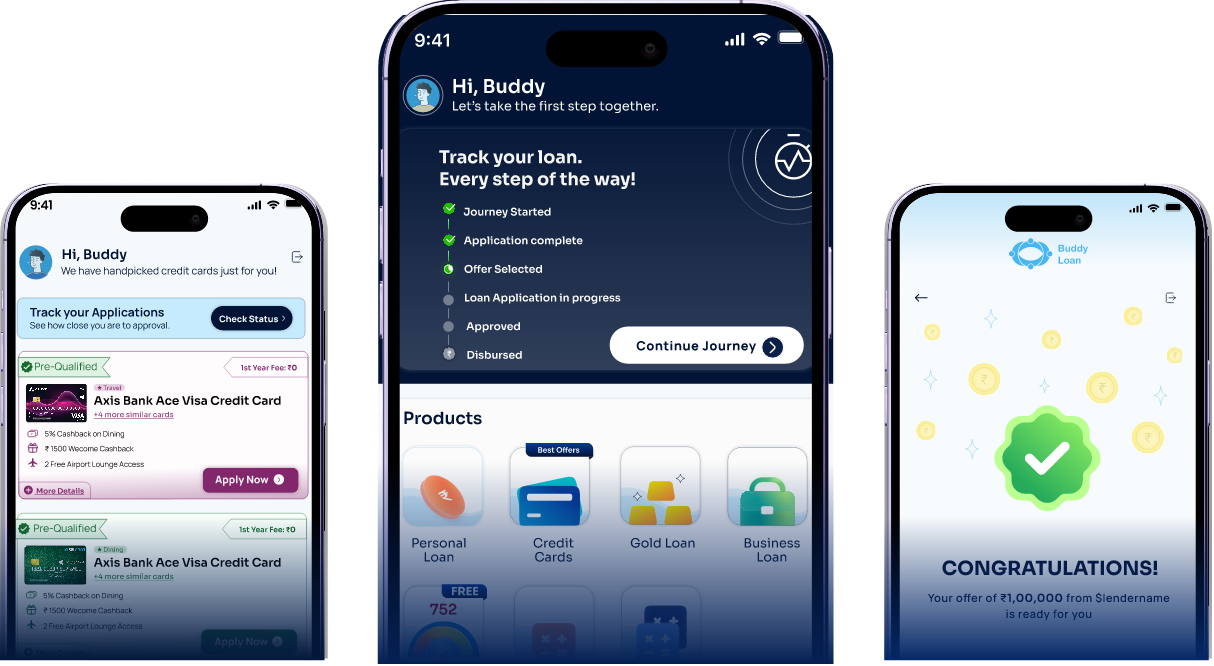
Download the Buddy Loan App Now!
One solution to each of your financial needs at your fingertip.

Scan to download now