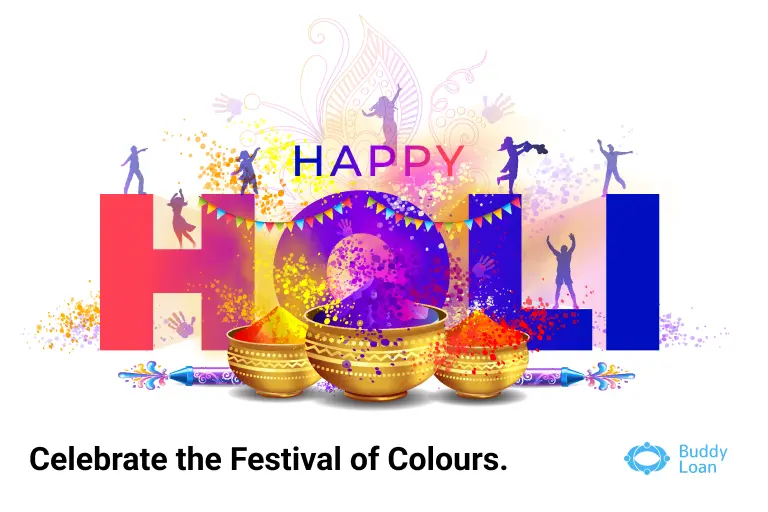
Holi, often called the Festival of Colors, is one of India’s most vibrant and widely celebrated festivals, symbolizing the arrival of spring and the victory of good over evil. In 2026, Holi will be celebrated with great enthusiasm across the country, marked by public festivities, traditional rituals, and widespread holidays in many states.
Recognized as a public holiday and a bank holiday in several regions, Holi is not just a cultural event but also an official observance that affects work schedules, travel plans, and banking operations. Understanding the details around Holi holidays can help individuals and businesses prepare effectively for the celebrations.
This blog provides complete information about the Holi Holiday 2026, including important dates, highlights, historical significance, rituals, and top destinations to experience Holi at its best.
Key Highlights of Holi
Here’s a quick overview of the essential details about Holi Holiday 2026:
| Aspect | Details |
| Festival Name | Holi (Festival of Colors) |
| Holi Date (Main Celebration) | Monday, 4 March 2026 |
| Holika Dahan (Chhoti Holi) | Sunday, 3 March 2026 |
| Public Holiday | Yes, in most Indian states |
| Bank Holiday | Observed widely, banks closed in multiple states |
| Cultural Significance | Celebration of the victory of good over evil |
| Popular Celebrations | Color throwing, water fights, traditional sweets, music, and dance |
| Region’s Most Celebrated | Uttar Pradesh (Mathura, Vrindavan), Rajasthan, Gujarat, Delhi, Punjab |

Holi Holiday 2026
Holi Holiday 2026 will be observed as a major public holiday and bank holiday across many parts of India, reflecting the nationwide cultural significance of the festival.
| Day | Date | Occasion | Holiday Type | States Observing |
| 3 March | Sunday | Holika Dahan (Chhoti Holi) | Regional Holiday | Celebrated with bonfires in parts of Uttar Pradesh, Bihar, Rajasthan |
| 4 March | Monday | Holi (Rangwali Holi) | Public and Bank Holiday | Uttar Pradesh, Madhya Pradesh, Bihar, Rajasthan, Haryana, Delhi, Gujarat, Punjab, West Bengal, Jharkhand, Uttarakhand, Chhattisgarh, and others |
⇒ Public Holiday:
• Holi is a gazetted public holiday in most northern and central states.
• Schools, colleges, government offices, and many private organizations remain closed.
⇒ Bank Holiday:
• Banks observe closure on Holi in states where it is declared as a public holiday.
• Core banking services like ATMs and internet banking remain available.
⇒ State-Specific Observance:
• In states like Goa, Tamil Nadu, and Kerala, Holi is celebrated by specific communities but may not be an official holiday.
• In West Bengal, Holi is often associated with Dol Jatra (celebrated a day earlier or the same day, depending on the local calendar).
Also Read: Ugadi Holiday
Importance of Holi
• Holi is much more than just a festival of colors; it carries deep cultural, spiritual, and social significance in Indian tradition.
Cultural Importance of Holi
• Holi marks the end of winter and the arrival of spring, a time for renewal and regeneration.
• It breaks social barriers, bringing people together regardless of caste, creed, or age through collective celebration.
Spiritual Importance of Holi
• Holi commemorates the victory of good over evil, rooted in the story of Prahlad and Holika from Hindu mythology.
• The ritual of Holika Dahan symbolizes the burning away of negativity and evil influences.
Social Importance of Holi
• Holi strengthens community bonds, promotes friendship, and encourages forgiveness and new beginnings.
• It offers a joyful platform where differences are set aside, and happiness and unity take center stage.
Why Holi Remains Relevant Today
• In modern times, Holi serves as a reminder of inclusivity, environmental renewal, and cultural richness.
• Beyond India, Holi celebrations have gained popularity globally, emphasizing its universal message of joy and togetherness.
History of Holi
The history of Holi is deeply rooted in ancient Indian mythology and traditions, spanning both spiritual symbolism and seasonal celebration.
Mythological Origins
• The primary legend associated with Holi is the story of Prahlad and Holika.
Prahlad, a devout follower of Lord Vishnu, was persecuted by his father, the demon king Hiranyakashipu, for his unwavering devotion.
To destroy Prahlad, Holika (the king’s sister) attempted to burn him alive by sitting with him in a fire while wearing a fireproof cloak. However, due to divine protection, Prahlad remained unharmed, and Holika was consumed by the flames.
This victory of faith and goodness over evil is celebrated through the ritual of Holika Dahan.
• Another popular narrative connects Holi to Lord Krishna, who, legend says, playfully colored his beloved Radha and other gopis (cowherd girls) with vibrant powders. This playful act evolved into the tradition of throwing colors during Holi.
Historical References
• Holi is one of the oldest festivals mentioned in Indian scriptures such as the Puranas, and references can also be found in ancient temple carvings.
• Medieval Indian literature and paintings depict Holi as a festival of love, colors, and community gatherings.
Evolution Over Time
• While Holi started as a religious and agricultural festival, over centuries it evolved into a pan-Indian cultural event celebrated by people across religions and communities.
• Today, Holi is not just a Hindu festival but a global event, embraced by people worldwide for its joyous spirit and colorful traditions.
Also Read: Akshaya Tritiya
Different Types of Holi
Holi is celebrated in diverse ways across different parts of India, each adding a unique cultural flavor to the festival. Here’s a look at the various types of Holi celebrated:
Lathmar Holi – Barsana and Nandgaon (Uttar Pradesh)
• In this traditional celebration, women playfully hit men with sticks (lathis) while the men defend themselves with shields.
• It reenacts a famous legend where Lord Krishna teased Radha and her friends.
Phoolon ki Holi – Vrindavan (Uttar Pradesh)
• Known as the “Holi of Flowers”, priests shower devotees with colorful flowers inside temples.
• This celebration focuses on devotion and beauty rather than colored powders.
Rang Panchami—Madhya Pradesh and Maharashtra
• Celebrated five days after the main Holi day, Rang Panchami involves vibrant color throwing and water festivities.
• It marks the symbolic purification of negative energies.
Royal Holi—Jaipur and Udaipur (Rajasthan)
• In Rajasthan, Holi is celebrated with grand processions, traditional music, and dances, often organized by royal families.
• Traditional attire and folk performances add to the royal charm.
Holla Mohalla—Punjab
• Coinciding with Holi, Holla Mohalla is celebrated by the Sikh community with displays of martial arts, horse riding, and mock battles.
• It emphasizes bravery, community service, and unity.
Basanta Utsav—Shantiniketan (West Bengal)
• Initiated by Rabindranath Tagore, Basanta Utsav is celebrated with songs, dances, and the smearing of colored powders.
• It is a more artistic and graceful version of Holi.
| Important Points:
• Despite regional differences, all types of Holi celebrate joy, community bonding, and the triumph of good over evil. |

Holi Rituals & Traditions
Holi is celebrated through a series of age-old rituals and traditions that add meaning and structure to the festivities. Each ritual is symbolic of deeper spiritual and cultural beliefs.
Holika Dahan (Chhoti Holi)
• Celebrated the night before Holi, Holika Dahan involves lighting bonfires to symbolize the burning away of evil.
• Communities gather around the fire, offer prayers, and perform rituals for protection and prosperity.
Color Play (Rangwali Holi)
• On the main day of Holi, people throw colored powders (gulal) and spray colored water on each other.
• The vibrant colors signify unity, joy, and the beauty of diversity.
Traditional Foods
• Holi is synonymous with special foods like gujiya, malpua, and dahi bhalla, and festive drinks like thandai.
• Sharing sweets strengthens community bonds and spreads happiness.
Singing and Dancing
• Folk songs (often revolving around Krishna and Radha) and lively dance performances are an integral part of Holi celebrations.
• In many regions, drumbeats (dhol) and folk instruments fill the air with festive spirit.
Smeared Colors as a Blessing
• Elders often smear colors on the younger ones as a blessing, symbolizing goodwill and protection.
• In temples, idols of deities are also adorned with colors.
Special Puja (Prayer)
• Some families perform a special puja at home before participating in the public celebrations.
• Offerings like coconuts, grains, and flowers are placed in the Holika Dahan fire for blessings.
Cultural Note:
• Rituals may slightly vary based on regional customs, but the essence remains centered around celebrating life, community, and spiritual triumph.
Suggested Read: Buddha Purnima
Ways to Celebrate Holi
Holi is celebrated in various ways across India and around the world, blending traditional customs with modern festivities. Here are some popular ways to enjoy the Festival of Colors:
Traditional Celebrations
• Playing with Colors:
Families and communities gather in open spaces to throw colored powders and water balloons, symbolizing joy and harmony.
• Holika Dahan Bonfires:
Lighting bonfires the night before Holi remains a key tradition, signifying the victory of good over evil.
• Visiting Friends and Relatives:
Holi is an occasion to mend relationships, meet loved ones, and share festive foods and sweets.
• Singing and Dancing:
Community celebrations often feature folk music, dhol beats, and group dances that bring people together in the festive spirit.
Modern Celebrations
• Organized Color Festivals:
In cities, large-scale Holi parties are organized with live music, DJs, eco-friendly colors, rain dances, and food stalls.
• Theme-Based Events:
Some events focus on cultural themes like traditional attire, herbal colors, or environmentally sustainable practices.
• Traveling to Popular Destinations:
Many people travel to iconic destinations such as Mathura, Vrindavan, or Pushkar to experience Holi in its most authentic and vibrant form.
• Eco-Friendly Celebrations:
An increasing number of people now opt for natural, organic colors and water-saving celebrations to minimize environmental impact.
Cultural Tip:
• It’s customary to wear old or white clothes during Holi celebrations since they are likely to be stained with colors.
• Respecting consent and celebrating responsibly is important, ensuring everyone enjoys the festival safely.
Suggested Read: Jagannath Rath Yatra
Famous Destinations for Holi Celebration
If you want to experience Holi in its most vivid and unforgettable form, these destinations across India are renowned for their grand, culturally rich, and unique celebrations:
Holi Celebrations in Mathura &Vrindavan (Uttar Pradesh)
• Significance:
Birthplace and playground of Lord Krishna, Holi here is celebrated with spiritual fervor and week-long events.
• Special Attractions:
Phoolon ki Holi (Flower Holi) at Banke Bihari Temple
Widows’ Holi at Pagal Baba Ashram
Traditional Raslila performances
• Significance:
Famous for the unique Lathmar Holi, where women playfully hit men with sticks in a reenactment of Krishna and Radha legends.
• Special Attractions:
Traditional songs, dances, and dramatic recreations.
Holi Celebrations in Jaipur (Rajasthan)
• Significance:
The Pink City hosts vibrant public Holi celebrations, blending royal traditions with community events.
• Special Attractions:
Traditional processions with elephants and horses
Cultural shows and folk music performances
Holi Celebrations in Shantiniketan (West Bengal)
• Significance:
Started by Nobel Laureate Rabindranath Tagore, Holi is celebrated here as Basanta Utsav with a focus on art, music, and dance.
• Special Attractions:
Students dressed in yellow attire performing songs, dances, and poetry recitations.
Holi Celebrations in Anandpur Sahib (Punjab)
• Significance:
Holi coincides with the Sikh festival of Hola Mohalla, showcasing martial arts, mock battles, and community service.
• Special Attractions:
Gatka (Sikh martial art) demonstrations, religious congregations, and colorful parades.
Holi Celebrations in Goa
• Significance:
Holi merges with Goa’s Shigmo Festival, creating a vibrant mix of parades, dance troupes, and festive floats.
• Special Attractions:
Street celebrations, folk dances, and beach parties.
Travel Tip:
• Booking accommodations and travel tickets early is recommended, especially in popular Holi destinations like Mathura and Vrindavan, where the influx of visitors is massive.
Also Read: Mahavir Jayanti Holiday
Conclusion
Holi, celebrated with unparalleled enthusiasm across India, stands as a vibrant testament to the country’s rich cultural heritage and deep-rooted traditions. In 2026, the festival will once again bring communities together in a shared spirit of joy, unity, and renewal.
From the ritualistic Holika Dahan to the playful throwing of colors, and from regional styles like Lathmar Holi to sophisticated celebrations like Basanta Utsav, Holi offers a diverse and inclusive experience. It is not only a significant public and bank holiday across several states but also a period where cultural expressions flourish through music, dance, rituals, and community gatherings.
Understanding the dates, holiday status, historical background, and different styles of celebrating Holi allows individuals and families to plan better — whether participating locally or traveling to iconic destinations known for their celebrations.
Get ready to celebrate Holi 2025 with colors, laughter, and unforgettable memories!
Download Personal Loan App
Get a loan instantly! Best Personal Loan App for your needs!!
Looking for an instant loan? Buddy Loan helps you get an instant loan from the best-verified lenders. Download the Buddy Loan App from the Play Store or App Store and apply for a loan now!

Download the Buddy Loan App Now!
One solution to each of your financial needs at your fingertip.

Scan to download now


Frequently Asked Questions
What is the significance of Holi?
Holi signifies the victory of good over evil, the arrival of spring, and the celebration of love and joy.
Why is Holi celebrated with colors?
Holi is celebrated with colors as a symbol of happiness, togetherness, and equality, inspired by the playful color play of Radha and Krishna.
How is Holi celebrated in different parts of India?
Each region has unique traditions, such as Lathmar Holi (Barsana), Phoolon Ki Holi (Vrindavan), Basanta Utsav (West Bengal), and Hola Mohalla (Punjab).
What are the best places to celebrate Holi in India?
Some of the best places include Mathura-Vrindavan, Barsana, Jaipur, Udaipur, and Shantiniketan.
Are Holi colors safe?
It’s recommended to use organic or herbal colors to avoid skin and health issues.
How can tourists experience Holi in India?
Tourists can join community celebrations, cultural programs, and organized Holi events for a safe and memorable experience.
On which date is Holi 2026?
Holi will be celebrated on Monday, 2 March 2026; Holika Dahan is on Sunday, 1 March 2026.
What is the old name of Holi?
The old name of Holi is Holika or Phagwah.
What is the real story of Holi?
Holi originates from the legend of Prahlad and Holika, symbolizing the victory of good over evil.
What does the Holi festival celebrate?
Holi celebrates the arrival of spring, renewal, and triumph of good over evil.
What are interesting facts about Holi?
Holi is one of the oldest Hindu festivals, mentioned in Puranas, and is now celebrated globally.
Which demon was killed in Holi?
The demoness Holika, sister of Hiranyakashipu, was burned during Holika Dahan.
What is the importance of Holi?
Holi promotes unity, joy, and cultural bonding while marking spiritual renewal.
Which special dish is prepared on Holi?
Gujiya is the most popular sweet prepared during Holi.
What is the full form of Holi?
Holi is not an acronym; it is derived from the word Holika, linked to the legend.
What is the story of the Holi festival?
It tells the tale of Prahlad’s devotion and Holika’s defeat, symbolizing faith over tyranny.
What is the most important part of Holi?
The main celebration is the color play on the second day, following Holika Dahan.
What are the values of Holi?
Holi represents forgiveness, equality, joy, and renewal.
What is the secret of Holi?
Its power lies in breaking social barriers and promoting collective happiness.
What is Holi color?
Holi colors are symbolic powders (gulal) used to celebrate joy and harmony.
Do banks have a holiday on Holi?
Yes, banks remain closed in most Indian states where Holi is officially observed.
Is Holi a national holiday?
Holi is a gazetted public holiday in many states, but not a nationwide central holiday.
What are the different names of Holi?
Holi is also known as Phagwah, Dol Jatra, Rang Panchami, and Basanta Utsav.
How many types of Holi are there?
There are several types, including Lathmar Holi, Phoolon ki Holi, Rang Panchami, and more.
What is the name of Holi before day?
The day before Holi is called Holika Dahan or Chhoti Holi.
What is Holika Dahan?
A ritual bonfire symbolizing the destruction of evil, based on the legend of Holika and Prahlad.
What are the other names of Holika Dahan?
Also called Chhoti Holi or Kama Dahanam in some regions.
What is Lathmar Holi?
A tradition in Barsana, where women playfully beat men with sticks, reenacting a Krishna-Radha tale.
What is Phagunwa?
Phagunwa refers to the month of Phalguna, when Holi is celebrated.
What is Shigmo?
Shigmo is Goa’s spring festival, combining Holi with local folk traditions.
What is Baithaki or Khadi Holi?
A musical Holi celebrated in Uttarakhand, featuring devotional songs and group gatherings.
What is Rang Panchami?
Celebrated five days after Holi in parts of India, it marks the spiritual purification through colors.
What is Hola Mohalla?
A Sikh festival coinciding with Holi, featuring martial arts, parades, and community service.
What is flower Holi in Vrindavan?
Known as Phoolon ki Holi, it involves showering flowers in temples and is celebrated with devotion in Vrindavan.