For most of us, life without the internet is almost unthinkable; it’s as essential as electricity or running water. Recognizing this, the Government of India has launched ambitious initiatives to make affordable and free Wi-Fi access available to citizens across the country. From metros to remote villages, the goal is simple: ensure every Indian has a reliable gateway to the digital world.
The government’s free Wi-Fi plan is part of the larger Digital India mission, which envisions an inclusive, tech-driven society where connectivity fuels growth, learning and opportunities. While this blog offers a broad overview about the free WiFi offered by the government.
Free Wi-Fi Matters in India
India is home to over 1.4 billion people, with a large share living in rural and semi-urban regions where reliable internet is still a luxury. While mobile data has become more affordable, gaps remain in terms of speed, stability, and accessibility. This is where the government free Wi-Fi plan plays a crucial role.
Here’s why it matters:
- Digital Inclusion: Free and public Wi-Fi hotspots help bridge the urban-rural divide, giving everyone, from students in villages to workers in towns, access to education, healthcare, and government services online.
- Economic Empowerment: Connectivity creates opportunities for local entrepreneurs, small businesses, and startups to participate in India’s booming digital economy.
- Boosting Digital Literacy: Access leads to awareness. By encouraging people to use the internet for learning, skill-building, and e-services, the plan strengthens India’s digital literacy.
- Livelihood Opportunities: Shopkeepers, tea stalls, and small establishments can act as Public Data Offices (PDOs), earning revenue by offering Wi-Fi services to their communities.

Core Government-Led Connectivity Programs
The Government Free Wi-Fi Plan is not a standalone project but part of a multi-layered digital connectivity strategy. Several flagship programs work together to provide the backbone for public Wi-Fi access across India.
A. Digital India & BharatNet
- Digital India is the umbrella initiative aimed at making technology a core part of governance, services, and daily life. One of its main goals is treating the internet as a basic utility for every citizen.
- The BharatNet Project forms the backbone of this mission. By connecting over 2.7 lakh Gram Panchayats with high-speed broadband, BharatNet ensures that even remote villages have last-mile connectivity, where public Wi-Fi hotspots can then be set up.
B. National Broadband Mission (NBM)
- Launched in 2019, the National Broadband Mission is designed to accelerate internet infrastructure development across India.
- In its NBM 2.0 (2025–30) roadmap, the government has set ambitious goals:
- Fiber connectivity to lakhs of villages.
- Minimum 100 Mbps speeds nationwide.
- Expanded mobile and satellite broadband integration.
- This mission complements BharatNet by creating the highway for data, enabling Wi-Fi to reach schools, shops, and homes in every corner of the country.
Together, these programs form the foundation on which free and public Wi-Fi is being rolled out.
Enabling Framework: PM-WANI
At the heart of India’s public Wi-Fi revolution lies the PM-WANI scheme (Prime Minister’s Wi-Fi Access Network Interface). Launched in December 2020, this framework is designed to make public Wi-Fi deployment simple, scalable, and affordable.
Unlike traditional telecom setups that require heavy licensing, PM-WANI removes barriers so even small entrepreneurs can participate. Here’s how it works:
- Public Data Office (PDO):
A local entity, like a tea stall, kirana shop, or café, that sets up and runs the Wi-Fi hotspot.
- Public Data Office Aggregator (PDOA):
Acts as the manager for multiple PDOs, handling technical needs such as authentication, billing, and backend support.
- App Provider:
Offers mobile applications that help users discover nearby Wi-Fi hotspots and connect seamlessly.
- Central Registry:
Maintains records of all registered providers to ensure transparency and coordination.
The beauty of PM-WANI is simplicity:
- No license fees.
- No complicated paperwork.
- Anyone can become a provider.
This decentralized approach ensures faster rollout of hotspots and creates opportunities for local businesses to earn extra income while empowering their communities.

Why It Matters
The Government Free Wi-Fi Plan, powered by initiatives like PM-WANI, BharatNet, and NBM, is more than just about free internet; it’s about reshaping India’s digital future. Here’s how it creates impact:
- Digital Inclusion: Bridges the urban-rural digital divide by making internet access universal.
- Economic Growth: Helps small businesses, startups, and entrepreneurs tap into the digital economy.
- Education & Skills: Provides students, job seekers, and rural citizens with access to online classes, resources, and skill-development platforms.
- Access to Services: Supports e-governance, telemedicine, digital banking, and cashless transactions even in remote areas.
- Livelihood Creation: Shopkeepers, vendors, and small businesses earn extra income as Wi-Fi providers (PDOs).
- Reduced Mobile Data Dependence: Offers affordable alternatives in areas where mobile internet is expensive or unreliable.
Public Wi-Fi Hotspots in Action
The vision of free and affordable Wi-Fi is already visible across India, thanks to government-backed projects and state-led initiatives. These hotspots are bringing the digital world closer to citizens in everyday spaces.
- Railway Stations (RailTel):
One of the most successful deployments, RailTel offers free Wi-Fi at hundreds of railway stations across India. Passengers get 30 minutes of free internet daily, after which affordable recharge options are available.
- Schools & Panchayat Offices:
Public institutions like schools, colleges, and village panchayat centers are increasingly being connected to Wi-Fi, ensuring students and rural citizens have access to online resources.
- Local Shops & Tea Stalls:
Through government schemes, shopkeepers and small vendors can act as Wi-Fi providers, giving locals an easy way to get online while creating an extra stream of income.
- State-Level Pilots:
States like Goa have rolled out 75 free public Wi-Fi hotspots, with similar projects emerging in urban centers and tourist hubs across India.
Risks and Challenges
While the Government Free Wi-Fi Plan is ambitious and transformative, it faces some hurdles that need careful attention:
- Security Concerns: Public Wi-Fi networks can be vulnerable to hacking, data theft, and misuse. Ensuring robust cybersecurity measures is critical.
- Business Viability: Many small providers (PDOs) may struggle to sustain operations if user adoption is low or revenue from Wi-Fi sales doesn’t cover costs.
- Urban vs Rural Uptake: In cities, cheap mobile data reduces the demand for public Wi-Fi, while rural areas may lack awareness or digital literacy to fully benefit.
- Regulatory Oversight: Balancing affordability for users and profitability for providers requires continuous policy updates from TRAI and the government.
- Infrastructure Delays: Fiber rollout and last-mile connectivity under BharatNet and NBM sometimes face slow implementation, delaying Wi-Fi access in remote areas.
Despite these challenges, the government is making steady progress, supported by policy tweaks and growing private participation.
What’s Next: The Road Ahead
India’s free Wi-Fi vision is still unfolding, but the roadmap ahead looks promising:
- Scaling Up Hotspots: The government aims to create millions of public Wi-Fi hotspots in the coming years, expanding far beyond today’s coverage.
- Stronger Digital Backbone: Ongoing upgrades under BharatNet and the National Broadband Mission will deliver faster and more reliable internet, even in the remotest corners.
- Public–Private Partnerships: Collaboration with telecom operators, tech companies, and local entrepreneurs will accelerate growth.
- Safer Networks: Enhanced cybersecurity protocols and user education will make public Wi-Fi more secure.
- Wider Adoption: With rising smartphone penetration and growing digital literacy, more citizens will rely on Wi-Fi for education, payments, healthcare, and business.
The future is clear: India is moving towards a digitally inclusive society where affordable connectivity is a right, not a privilege.
On the Whole
The Government’s free Wi-Fi plan is more than just about faster internet; it’s about giving every Indian a fair shot at digital opportunities. From students in small towns attending online classes to shopkeepers becoming Wi-Fi providers, the impact reaches far beyond just connectivity.
Yes, there are challenges like security and sustainability, but the direction is clear: India is moving towards a future where affordable internet is not a privilege but a basic right. As more hotspots come up under projects like BharatNet, NBM and PM-WANI, the dream of a truly connected India is getting closer every day.
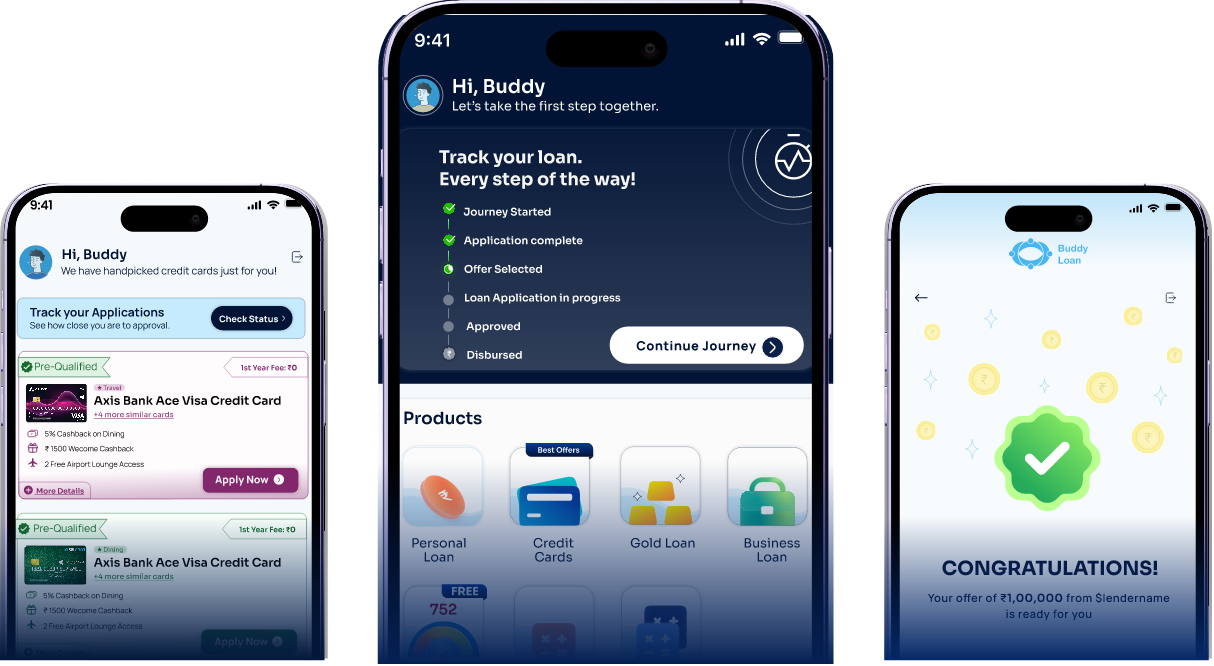
Download the Buddy Loan App Now!
One solution to each of your financial needs at your fingertip.

Scan to download now