Everyone can agree on one thing—in the modern fast-paced digital world, convenience is everything.
The Government of India’s EASE 7.0 (Enhanced Access and Service Excellence) reform agenda is making sure public sector banks don’t just keep up but lead the way. If you’ve ever struggled with paperwork, sluggish processes, or loan confusion, this one’s for you—everything is about to get better.
Let’s break down what EASE 7.0 means for everyday banking and how platforms like Buddy Loan are already riding the same wave, just faster.
What is EASE 7.0?
EASE stands for Enhanced Access and Service Excellence. It’s an ongoing initiative by the Indian government that started back in 2018 to improve how public sector banks work and serve customers. The idea is to make banking smoother, faster, and more customer-friendly.
Over the years, EASE has gone through several versions, each bringing new updates to improve services and use of technology in banking.
The latest one, EASE 7.0, was launched in 2024. It focuses more on digital banking—like making loans easier to access, speeding up day-to-day services, and using better tech to improve customer experience, whether you’re at a bank branch or using a mobile app.
Your Amortization Schedule (Yearly/Monthly)
What’s New in EASE 7.0?
Here’s what PSBs (Public Sector Banks) are focusing on this year:
- AI-enabled service platforms for smarter customer interactions.
- Unified digital portals for loan applications, grievance redressal, and KYC updates.
- Instant onboarding and paperless journeys for retail and MSME customers.
- Enhanced fraud detection using machine learning.
- Omnichannel banking across WhatsApp, mobile apps, web, and branches.
- Loan delivery via digital supply chains for agriculture and small businesses.
Just like Buddy Loan, which connects you to multiple lenders instantly through a single, intuitive app. Buddy Loan is not a lender but an aggregator that serves as a platform for multiple banks and NBFCs, offering the best loan options in the market.
The future is fast and friendly.
Also Read: Public Sector Banks in India
How Does It Benefit You?
EASE 7.0 isn’t just a policy—it’s a real-world shift in how you experience banking. That means you, as a customer, are the one most benefiting from this upgrade. These include:
- Faster loan approvals (especially for education, housing, MSME, and agriculture).
- Reduced paperwork through eKYC and API-based validations.
- Real-time grievance redressal with tracking tools.
- Smarter dashboards for personal finance and loan tracking.
Simply put, no more chasing branches.
Is EASE 7.0 Only for Public Sector Banks?
Yes, officially.
EASE is designed for Public Sector Banks like SBI, Punjab National Bank, Bank of Baroda, etc.
But the ripple effect is real.
Private banks and NBFCs often follow suit or integrate with government-backed tech layers. Fintech platforms, too, benefit. When public sector banks go digital, aggregator platforms like Buddy Loan can offer you more options, as options multiply, making it easier to access verified, fast, and secure loan products from reliable lenders.

How Does EASE 7.0 Impact Digital Lending?
Digital lending is at the heart of EASE 7.0. Borrowers can now:
- Apply for loans online with fewer documents.
- Upload income proofs, ID, and address digitally.
- Get real-time loan eligibility decisions.
- Track disbursement and repayment in-app.
The system is designed to be seamless, where you can compare interest rates, EMI options, and lenders before choosing the one that fits.
But if you are someone who prefers easy comparison options, you might prefer aggregator platforms like Buddy Loan, where you can compare various loan options and apply for them.
Also Read: Top 10 Banks in India
Support for MSMEs & Agri-borrowers
For India’s small business owners and farmers, Ease 7.0 brings dedicated benefits:
- Digital assessment of MSME credit risk.
- Instant KCC Renewals via mobile.
- Credit Counselling and digital capacity-building.
- Cluster-Based Financing to boost regional lending.
If you are not sure about your credit score or if you qualify, use Buddy Score to check your credit score for free and get a quick heads-up on your chances.
What’s Next After Ease 7.0?
The latest update aims to bring more fluidity to the system, so it is safe to assume that future editions are likely to focus on:
- Deeper integration with India Stack.
- More embedded fintech collaborations.
- Tighter cybersecurity frameworks.
- Possibly, a central credit dashboard for all banking needs.
But while public reforms take time, advanced aggregators like Buddy Loan users already enjoy several of these advantages. Think of it as a sneak peek into the future of finance.
Conclusion: Smarter Banking, Faster Loans
EASE 7.0 represents a bold leap in India’s public sector banking reform, aligning efficiency with digital innovation and customer-first services. With its emphasis on smart lending, analytics, and frictionless access, it’s not just about modernising systems—it’s about transforming the customer experience at every level.
As banks become faster and smarter, platforms like Buddy Loan complement this progress by offering users quick, transparent access to personal loans and credit solutions—all backed by trusted banking partners.
The future of finance is not just digital—it’s designed for you.
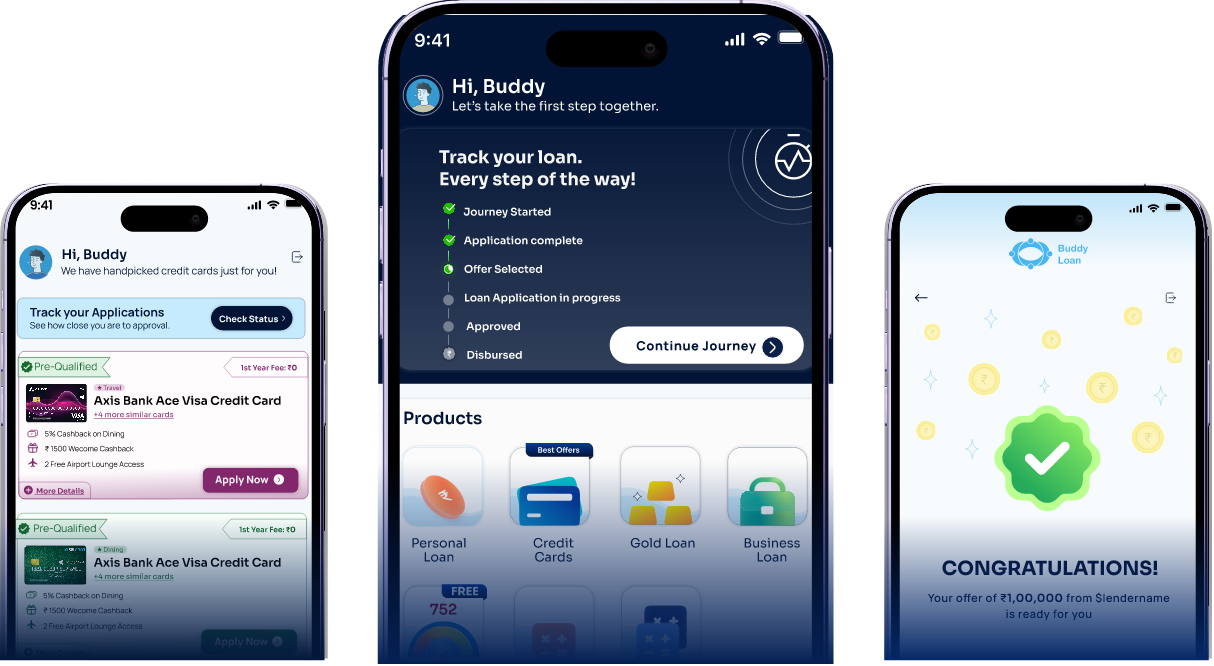
Download the Buddy Loan App Now!
One solution to each of your financial needs at your fingertip.

Scan to download now