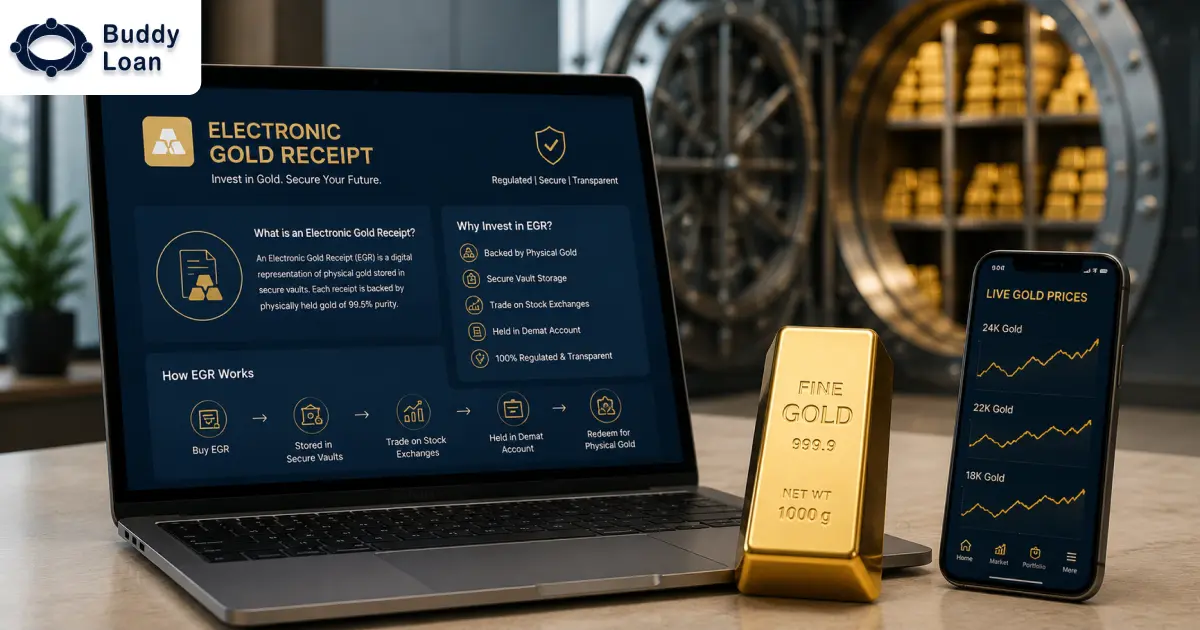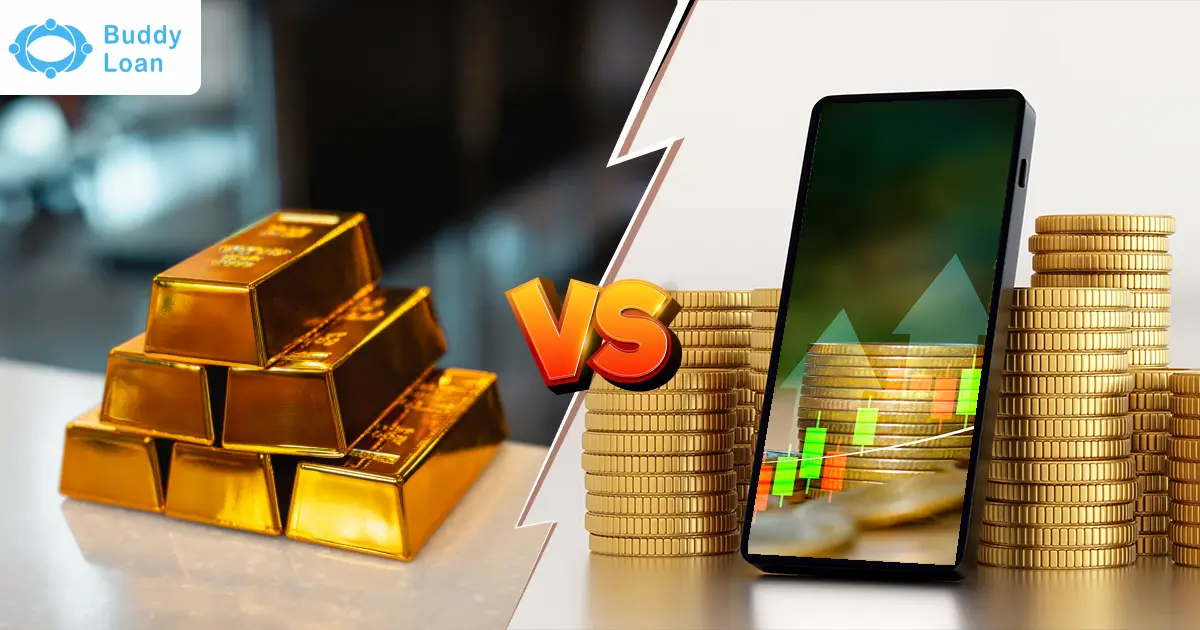
Gold has always been one of India’s most trusted and valuable assets. From weddings and festivals to savings and inheritance, gold represents prosperity and long-term security.
But today, technology has transformed the way people invest in gold. You no longer need to buy jewelry or coins to own it you can now invest in Digital Gold, which allows you to buy, sell, and store gold online safely and easily.
If you’re unsure which is better Physical Gold or Digital Gold this guide will help you understand their key differences, benefits, and which suits your financial goals best.
What Is Physical Gold?
Physical gold refers to gold you can hold such as jewelry, coins, or bars. It has been India’s traditional form of saving for centuries and is still a popular investment among families.
- Coins and Bars: Usually 24K gold, ideal for long-term storage and investment.
- Jewelry: Commonly 22K gold, often purchased for weddings and festivals, but comes with making charges and GST.
Advantages of Physical Gold
- Tangible asset you can see and touch
- Acts as a long-term store of wealth
- Can be gifted during festivals or weddings
Disadvantages
- Requires safe physical storage
- Making charges increase total cost
- Less liquid compared to digital gold

What Is Digital Gold?
Digital Gold is gold purchased online through trusted platforms such as Paytm, Google Pay, PhonePe, and Tanishq’s SafeGold or MMTC-PAMP.
You own gold stored in insured vaults by the provider, and you can sell or convert it into physical gold anytime.
It combines the security of real gold with the convenience of digital investing.
Digital Gold Is Best For:
- Investors who prefer flexibility and transparency
- People looking to invest small amounts regularly
- Those who want to avoid storage or purity issues
Drawbacks of Digital Gold
- Not regulated by SEBI or RBI
- Storage and platform fees may apply after certain periods
- Should be redeemed within 5 years (depending on platform policy)
Differences Between Physical Gold and Digital Gold
| Feature | Physical Gold | Digital Gold |
|---|---|---|
| Ownership | You own actual gold (jewelry, coins, bars) | You own digital units of real gold stored in vaults |
| Storage | Requires lockers or safes | Stored securely by the platform |
| Liquidity | Can sell physically through jewelers | Can buy/sell anytime online |
| Investment Amount | Usually requires higher minimum investment | Can start with ₹1 or ₹10 |
| Risk | Theft, purity, and making charges | Platform reliability and digital fees |
| Ease of Purchase | Buy from shops or banks | Buy instantly via apps or websites |
| Profit Potential | Long-term appreciation | Same as market gold price movement |
| Regulation | Market-linked, physical possession | Unregulated (though backed by reputed companies) |

Who Should Invest in Physical Gold?
Physical gold is ideal for:
- Traditional investors who prefer tangible assets
- Families buying for weddings or gifting
- Those wanting to preserve wealth for generations
Benefits at a Glance
- Safe, trusted, and easy to understand
- Can be gifted or used as collateral for loans
- Less affected by short-term price fluctuations
Who Should Invest in Digital Gold?
Digital Gold suits investors who:
- Want instant and flexible access to gold
- Prefer small, regular investments
- Value convenience, transparency, and purity assurance
Note: Always choose reputed providers (like MMTC-PAMP or SafeGold) to ensure your investment is genuine and insured.
How Prices Differ
- Physical Gold Price: Includes gold market rate + making charges + GST.
- Digital Gold Price: Mirrors live market rates, but without making charges.
Digital gold can sometimes offer slightly better value since it removes jewelry-related costs.
Tax Implications
Physical Gold
- Selling after 3 years qualifies as long-term capital gain, taxed at 20% with indexation.
- Short-term gains are taxed as per your income slab.
Digital Gold
- Taxed the same as physical gold long-term gains after 3 years, short-term as per slab.
(Note: Since digital gold isn’t a regulated financial product, check platform policies before investing.)
Pros and Cons Summary
| Physical Gold | Digital Gold | |
|---|---|---|
| Type | Tangible asset | Online, digital asset |
| Ideal For | Long-term savers, families | New-age investors, small investors |
| Storage | Requires space & security | Stored in insured vaults |
| Risk Level | Theft, purity issues | Platform-based risk |
| Liquidity | Moderate | High – can sell instantly |
| Charges | Making + GST | Minor platform fees |
| Taxation | Capital gains | Capital gains (same as physical) |
Final Thoughts
Both Physical Gold and Digital Gold serve different types of investors.
If your goal is long-term wealth preservation or cultural gifting, physical gold remains the best option.
If you prefer flexibility, easy transactions, and small regular investments, digital gold is a smarter modern alternative.
Download the Buddy Loan App Now!
One solution to each of your financial needs at your fingertip.

Scan to download now