In the world of personal finance, loans have become an integral part of achieving various financial goals. From purchasing a new home to cover unexpected medical expenses loans, you can cover all your needs easily. Among a multitude of loan options available, two broad categories stand out: Secured Loans Vs Unsecured Loans
Each type offering unique features, making it essential to understand the differences and choose the right option for your financial situation.
In this blog, we’ll dissect secured and unsecured loans, exploring their key characteristics, and how to make an informed decision that aligns with your financial objectives.
Get Personal Loan Online Up to ₹35 Lakhs By entering your number, you're agreeing to Terms & Conditions & Privacy Policy.
What Are Secured Loans?
Secured loans are financial arrangements where borrowers provide collateral, often an asset like a home or a vehicle, to secure the loan. Collaterals work best for the lenders. It ensures the repayment in case the borrower defaults on the loan..
The collateral reduces the lender’s risk and leads to favourable terms for the borrower.

Common Types of Secured Loans
- Mortgages/ Home Loans:
Home loans are a well-known type of secured loans. In this case, the property you’re purchasing serves as collateral.
If you cannot make mortgage payments, the lender can take possession of your home through a process known as foreclosure. - Auto Loans:
When financing a vehicle purchase, the car acts as collateral. If you don’t make payments as agreed, the lender can repossess the vehicle. - Secured Personal Loans:
Personal loans are often unsecured, some lenders may offer secured personal loans. These loans are backed by collateral such as savings accounts or certificates of deposit (CDs). If you default, the lender can access the collateral.
Key Features of Secured Loans
- Collateral Requirement: the most distinguishing feature of secured loans are the necessity of collateral to secure a debt.
- Lower Interest Rates: secured loans offer lower interest rates compared to unsecured loans. The reduced risk for the lender results in more favourable lending terms for the borrower.
- Higher Loan Amounts: because of the collateral, lenders are more willing to extend larger loan amounts, making secured loans suitable for substantial expenses.
- Extended Repayment Terms: borrowers often benefit from extended repayment periods, allowing them to spread payments over a longer duration.
- Easier Approval: secured loans are typically more accessible to a broader range of borrowers, including those with less-than-perfect credit.
- Risk to Collateral: the significant drawback of secured loans is the risk of losing the collateral if you default on the loan. This risk can be substantial, particularly when high-value assets like homes are involved.
What Are Unsecured Loans?
Unsecured loans, as the name suggests, do not require collateral. These loans are granted based on the borrower’s creditworthiness, financial history, and ability to repay. Since there’s no asset securing the loan, lenders assess the borrower’s creditworthiness to determine eligibility and loan terms.
Common Types of Unsecured Loans
- Personal Loans: Unsecured personal loans are versatile and can be used for various purposes, from debt consolidation to home improvements.
- Credit Cards: Credit card borrowing is another form of unsecured credit. Cardholders can make purchases and carry a balance, paying interest on the outstanding amount.
- Student Loans: Many student loans, both federal and private, are unsecured and do not require collateral.
Get Personal Loan Online Up to ₹35 Lakhs
By entering your number, you're agreeing to Terms & Conditions & Privacy Policy.
Key Features of Unsecured Loans
- No Collateral Requirement: unsecured loans do not involve the pledge of collateral, eliminating the risk of losing assets in case of loan default.
- Higher Interest Rates: unsecured loans come with higher interest rates compared to secured loans. Lenders charge more to compensate for the increased risk.
- Smaller Loan Amounts: unsecured loans are typically suitable for smaller borrowing needs, such as personal loans for debt consolidation or covering minor financial emergencies.
- Shorter Repayment Terms: borrowers usually face shorter repayment periods with unsecured loans, requiring them to pay off the loan over a relatively brief time frame.
- Creditworthiness Matters: lenders rely heavily on the borrower’s creditworthiness, credit score, and income to approve unsecured loans. Applicants with strong credit histories are more likely to secure favourable terms.
- Harder to Qualify: unsecured loans can be more challenging to qualify for, especially for individuals with lower credit scores or less-established credit histories.
Now that we’ve explored the fundamental characteristics of secured and unsecured loans, let’s delve into a detailed comparison to help you determine which option aligns with your unique financial situation.

Comparing Secured and Unsecured Loans
1. Collateral Requirement
- Secured Loans: these loans demand collateral, which can be a valuable asset, like a home or a car.
- Unsecured Loans: unsecured loans do not cause collateral, making them less risky in terms of asset protection.
2. Interest Rates
- Secured Loans: lower interest rates because the collateral reduces the lender’s risk.
- Unsecured Loans: comes with higher interest rates due to the absence of collateral and the higher risk for lenders.
3. Loan Amounts
- Secured Loans: offer the potential for larger loan amounts, making them suitable for significant expenses like buying a house or a car.
- Unsecured Loans: primarily caters to smaller borrowing needs, such as personal loans for debt consolidation or covering minor financial emergencies.
4. Repayment Terms
- Secured Loans: often provide longer repayment terms, allowing borrowers to spread out their payments over an extended period.
- Unsecured Loans: come with shorter repayment periods, requiring borrowers to pay off the loan relatively quickly.
5. Approval Criteria
- Secured Loans: are more accessible and accommodating for borrowers with less-than-perfect credit. The collateral mitigates some of the lending risk.
- Unsecured Loans: place a strong emphasis on the borrower’s creditworthiness, credit score, and income. Approval can be more challenging for those with lower credit scores.
6. Risk of Asset Loss
- Secured Loans: carry a significant risk of losing the collateral if the borrower defaults, which can be especially concerning when high-value assets like homes are involved.
- Unsecured Loans: eliminate the risk of asset loss, providing peace of mind in the event of financial challenges or loan default.
Get Personal Loan Online Up to ₹35 Lakhs
By entering your number, you're agreeing to Terms & Conditions & Privacy Policy.
Choosing the Right Loan for Your Needs
The decision between secured and unsecured loans ultimately depends on your financial objectives, risk tolerance, and the specific purpose of the loan. Here are some key considerations to help you make an informed choice:
Secured Loans Are Ideal When:
- You need a larger loan amount.
- You have valuable assets to use as collateral.
- Lower interest rates are a priority.
- Longer repayment terms better suit your financial situation.
Unsecured Loans Are Ideal When:
- You require a smaller loan for various purposes.
- You lack valuable assets to pledge as collateral.
- You are confident in your creditworthiness and have a good credit score.
- Shorter repayment terms align with your financial goals.

Additional Factors to Consider:
When deciding between secured and unsecured loans, consider the following factors:
- Credit History and Score: your credit history and score impact your loan eligibility. Strong credit may qualify you for unsecured loans with lower rates, while secured loans may be accessible to lower credit scores.
- Purpose of the Loan: secured loans suit major expenses like homes and vehicles. Unsecured loans are versatile for various needs like debt consolidation or medical bills.
- Risk Tolerance: secured loans carry risk due to collateral, while unsecured loans offer security from collateral loss.
- Loan Repayment Period: secured loans often offer longer terms, while unsecured loans require quicker repayment.
- Loan Application Process: secured loans may involve a lengthier process, while unsecured loans offer quicker approvals.
- Impact on Credit Score: timely payments on both affect credit. Defaults on secured loans risk collateral and harm credit.
- Flexibility and Accessibility: unsecured loans are versatile, while secured loans may be less flexible.
- Future Financial Goals: consider how the loan aligns with your financial future and potential credit needs.
- Local Regulations: be aware of regional laws that may affect loan terms and availability.
- Consultation with Financial Advisor: seek advice from financial experts to make an informed choice that suits your financial situation.
In Conclusion,
secured and unsecured loans serve distinct purposes in personal finance. The choice between the two depends on your individual circumstances, preferences, and financial objectives. While secured loans offer larger amounts, longer terms, and lower interest rates, unsecured loans are less risky and accessible to individuals with solid credit profiles.
Before committing to any loan, it’s essential to conduct thorough research, compare offers from various lenders, and carefully assess the terms and conditions. Regardless of your choice, responsible borrowing and timely repayments are keys to maintaining a healthy financial profile and achieving your long-term financial goals.
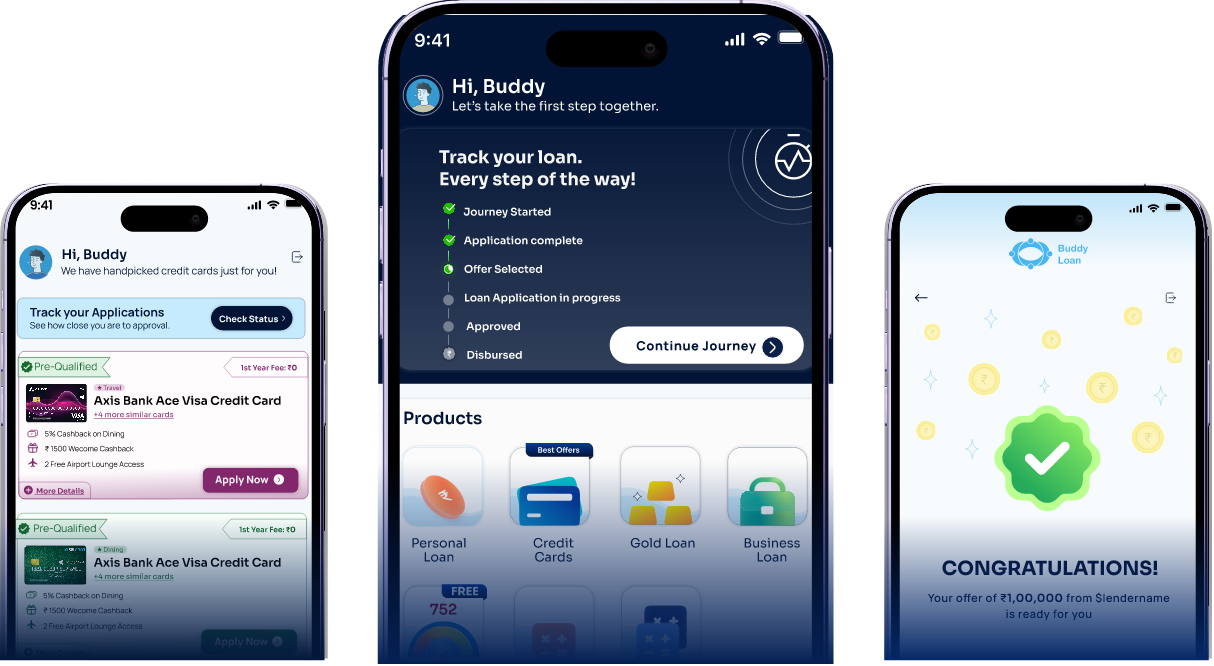
Download the Buddy Loan App Now!
One solution to each of your financial needs at your fingertip.

Scan to download now


Having any queries? Do reach us at info@buddyloan.com
Frequently Asked Questions
Q: What is the difference between secured and unsecured loans?
A: The primary difference lies in collateral. Secured loans require assets as security, while unsecured loans don’t.
Q: What is a secured loan?
A: A secured loan is backed by collateral, such as a home or a car, which serves as security for the lender in case of default.
Q: Why are interest rates for secured loans generally lower than those of unsecured loans?
A: Secured loans are less risky for lenders due to collateral, resulting in lower interest rates compared to unsecured loans.
Q: Can I borrow more money with a secured loan compared to an unsecured loan?
A: Yes, secured loans often offer higher borrowing limits since collateral reduces lender risk.
Q: Can I get longer repayment periods for secured loans than unsecured loans?
A: Yes, secured loans frequently provide longer repayment terms, allowing borrowers to spread payments over an extended period.
Q: How does collateral affect the interest rates, borrowing limit, and repayment terms of a loan?
A: Collateral lowers interest rates, increases borrowing limits, and extends repayment periods in secured loans.
Q: What is an unsecured loan?
A: An unsecured loan doesn’t require collateral; it’s granted based on creditworthiness and financial history.
Q: What are the pros and cons of choosing a secured vs an unsecured loan?
A: Pros of secured loans include lower rates and higher limits, but cons involve risk to collateral. Unsecured loans offer simplicity but often have higher rates and lower limits.