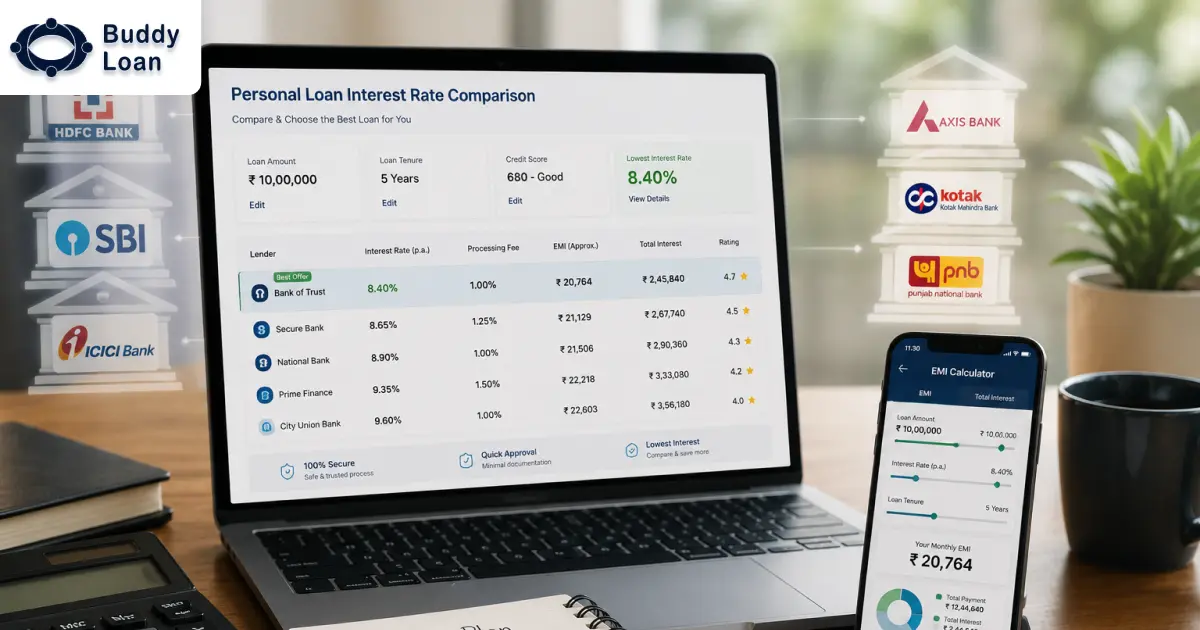
Personal loans have become one of the most popular financial products to address urgent needs like medical emergencies, home renovation, education fees, or even consolidating debts. Choosing the right personal loan, however, can be overwhelming with so many options available. Understanding the key factors that impact your loan decision is critical to ensuring that you make an informed and financially sound choice.
In this blog, we will guide you through the important considerations when choosing a personal loan, including the use of the Personal Loan EMI Calculator, eligibility criteria, loan tenure, and additional factors you should keep in mind to make the right decision.
Understanding Personal Loans
A personal loan is an unsecured loan, meaning you don’t need to provide collateral, such as a house or a car. These loans can be used for a variety of purposes, including:
- Debt consolidation
- Medical emergencies
- Home improvement
- Wedding expenses
- Vacation or travel plans
Since personal loans are typically unsecured, they rely on your creditworthiness for approval. Lenders assess your ability to repay the loan through your credit score, income, and other financial details. The loan amount, tenure, and interest rates will vary depending on these factors.

Key Factors to Consider When Choosing a Personal Loan
When selecting the right personal loan, there are several factors you should evaluate. These include the loan amount, interest rates, eligibility requirements, and more. Here’s a breakdown of the key elements to consider before committing to a personal loan.
1. Loan Amount and Purpose
- Determine Your Loan Amount: The first step in choosing a personal loan is deciding how much you need. While some lenders offer loans up to ₹50 lakh or more, borrowing only what you need will help ensure manageable repayments.
- Purpose of the Loan: Be clear about why you need the loan. Some lenders offer loans specifically for certain purposes like home renovation or education, with better terms. It’s important to choose a loan that suits your financial needs and goals.
2. Interest Rate and Charges
- Interest Rate Type: Personal loan interest rates can either be fixed or floating. Fixed rates remain constant for the loan term, while floating rates may change with market conditions. Fixed rates offer stability, while floating rates could potentially reduce interest payments if market rates fall.
- Interest Rates Comparison: Personal loan interest rates usually range between 10% to 24% or more, depending on the lender, your credit score, and the loan amount. Comparing interest rates across different lenders will help you find the most competitive option.
- Processing Fees and Charges: Most lenders charge processing fees (usually 1% to 3% of the loan amount), along with other hidden fees like prepayment charges. Always ask about the total charges involved to get an accurate picture of the loan cost.
3. Loan Tenure
- Loan Tenure: Loan tenure typically ranges from 1 year to 5 years (12 to 60 months). A longer tenure will lower your monthly EMI but will increase the total interest paid over time. If you can afford higher EMIs, opt for a shorter tenure to reduce the overall cost.
- Balancing EMI and Tenure: It’s essential to choose a tenure that balances affordable monthly payments and a reasonable total loan cost. Use a Personal Loan EMI calculator to determine how your choice of tenure affects the EMI.

Personal Loan EMI Calculator: A Tool to Choose the Right Personal Loan
When choosing a personal loan, understanding how much you’ll need to pay monthly is crucial for managing your budget. A Personal Loan EMI Calculator is an excellent tool to determine your monthly repayment obligations based on the loan amount, interest rate, and loan tenure.
How Does a Personal Loan EMI Calculator Work?
A Personal Loan EMI calculator allows you to calculate your monthly payments by inputting the following details:
- Loan Amount: The total amount you wish to borrow.
- Interest Rate: The annual interest rate offered by the lender.
- Loan Tenure: The duration of time (in months) over which you plan to repay the loan.
Once you input these details, the calculator generates your monthly EMI, helping you assess if the loan amount and repayment terms fit your budget. This tool also enables you to compare different loan scenarios with varying amounts, interest rates, and tenures.
Why Use a Personal Loan EMI Calculator?
- Assess Affordability: You can easily determine if the monthly EMI fits within your budget before applying for the loan.
- Compare Lenders: By adjusting the loan parameters, you can compare different loans from multiple lenders to find the one that offers the best terms for your financial situation.
- Plan Your Finances: Knowing your EMI upfront helps you manage your finances better and avoid overspending.
- Optimize Loan Selection: The calculator allows you to experiment with loan amounts and tenures, helping you identify the loan option that minimizes your EMI burden while meeting your financial needs.
|
Real-Life Example: Using the EMI Calculator Consider this example to see how an EMI calculator works in practice: You want to borrow ₹5,00,000 at an interest rate of 12% for 5 years (60 months). Plug these numbers into the EMI calculator, and the EMI comes out to around ₹11,440. Over the 5 years, you’ll pay a total of ₹6,86,400. Now, if you change the tenure to 3 years (36 months), the EMI increases to ₹16,920, but you’ll pay a total of ₹6,09,120, saving on interest but with a higher monthly EMI. This helps you understand how loan tenure affects the overall cost and monthly repayment. |
Additional Factors to Consider When Choosing a Personal Loan
When choosing a personal loan, it’s important to go beyond just the interest rates and terms. Consider other factors that could impact your loan application and repayment journey. These include your eligibility, prepayment options, lender reputation, and the loan disbursement process.
Check Your Eligibility Criteria
- Eligibility: Most lenders have specific eligibility requirements, including a minimum credit score (typically 685 or higher) and stable monthly income. Ensure you meet these requirements before applying to increase your chances of loan approval.
- Debt-to-Income Ratio: Lenders assess your debt-to-income ratio (DTI) to ensure you can handle the additional debt. A lower DTI indicates that you’re less burdened by debt and more likely to be approved.
Prepayment Options
-
Flexibility in Prepayment: Some personal loans allow prepayment or early repayment of the loan. It’s important to understand the prepayment charges, as some lenders may impose a penalty for early repayment. If you plan to repay your loan early, choose a loan that offers low or no prepayment charges.
Lender Reputation
-
Reputation and Reviews: Always research the lender’s reputation before applying for a loan. Look at customer reviews, complaints, and feedback. Opt for lenders with a solid reputation for customer service and transparent policies.
Loan Disbursement Process
-
Speed of Disbursement: Once approved, how fast will the lender disburse the loan? Some lenders offer quick approvals and disbursal within a day, which is crucial if you need the loan for an urgent purpose.
How to Apply for a Personal Loan
Once you’ve evaluated all factors and chosen the right personal loan, here’s how you can apply:
- Check Your Credit Score: Lenders use your credit score to determine loan approval and interest rates. Make sure your score is in good shape before applying.
- Research Lenders: Compare different lenders based on interest rates, terms, and reputation. Online loan comparison tools can help with this.
- Prepare Documents: Gather necessary documents such as identity proof, address proof, income proof, and bank statements.
- Submit the Application: Apply online or at your lender’s branch. Ensure that all information provided is accurate to avoid delays.
- Wait for Approval: After submission, the lender will review your application and decide on approval. If approved, the loan amount will be disbursed.
Conclusion
Choosing the right personal loan is a critical step in managing your financial needs efficiently. By considering key factors such as the loan amount, interest rate, tenure, and eligibility criteria, you can make a well-informed decision. Additionally, using tools like the Personal Loan EMI Calculator will help you understand your repayment obligations and avoid taking on more than you can handle. Always assess the lender’s reputation, loan disbursement process, and flexibility in prepayment options.
If you’re unsure about where to start, platforms like Buddy Loan can help connect you with multiple verified lenders, ensuring you find a personal loan tailored to your specific needs and financial situation. While Buddy Loan doesn’t directly offer loans, it can guide you to the right lender that fits your eligibility and requirements, streamlining the process and helping you secure the loan you need.
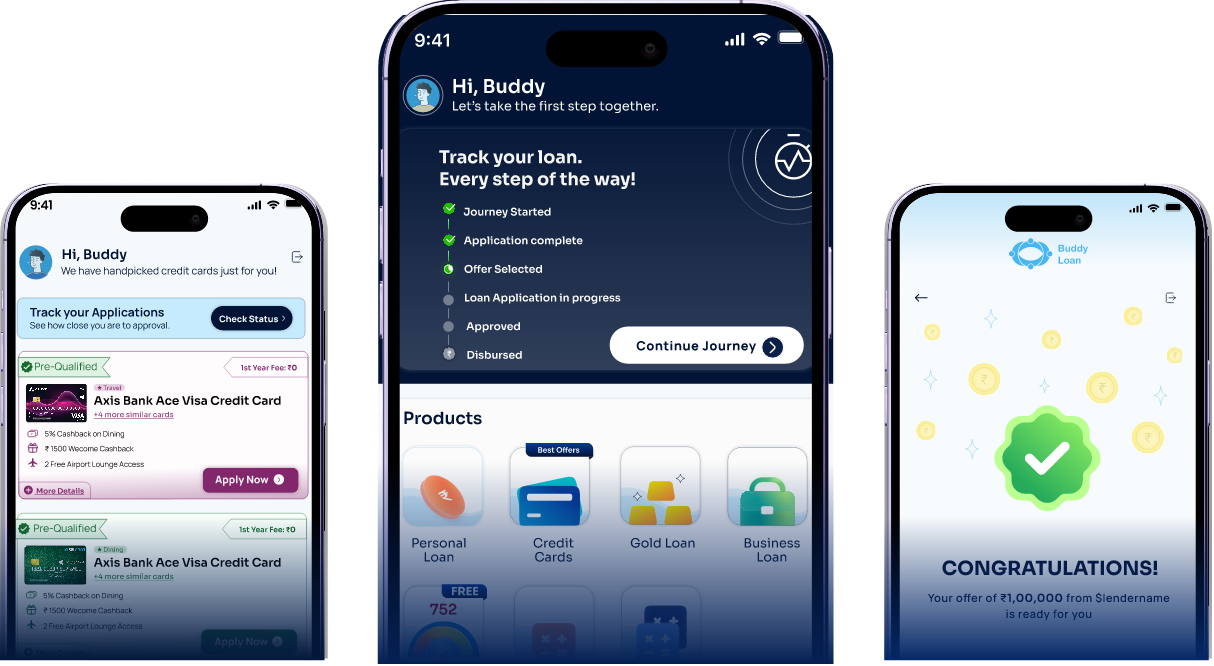
Download the Buddy Loan App Now!
One solution to each of your financial needs at your fingertip.

Scan to download now