India’s auto sector is close to witnessing a major change in its prices, and car enthusiasts are excited more than ever!
With Diwali around the corner and the latest announcement on possible GST reforms has sparked a wave of debate on whether the GST changes will reduce the car prices. If so, good news, as you can take home a new car this festive season.
If you too are wondering whether this means cheaper and more affordable cars and how the changes will come in, you are at the right page. Keep reading as we unlock everything you need to know about the GST rates on cars in India, from the current ones to the upcoming changes and how it will affect consumers.
Current GST Rates on Cars In India
As of now, the GST (Goods and Services Tax) rates on cars in India stand at 28%. Furthermore, there is a specific type of tax that is added based on the car’s engine size and length.
As a result, the total tax burden on cars is higher, ranging from 29% for small petrol cars to up to 50% for large cars, such as SUVs. As you can see, this multi-layered tax system has been one of the reasons for cars in India to be expensive.

How The Car Prices Change With New GST Structure
As announced by Prime Minister Narendra Modi during the recent Independence Day speech, the ‘next generation GST’, also known as GST 2.0, will cut down the prices for several goods across the country before Diwali.
Let’s elaborate on that. Previously, it was a 4-tier GST system. The recent update indicates a 2-tier GST system, which not only results in a price drop but also a simplified tax structure. The previous GST structure looked like 5%, 12%, 18% and 28%.
The new 2-tier tax structure involves 5% and 18%, which could cut down the prices of various goods across the country. In the case of the automobile industry, car prices may undergo a potential restructuring of the current 28% tax slab.
The GST 2.0 is aimed at making everyday goods and high-end products more accessible to the common man.
Note: The exact slab changes will be finalized by the GST Council and notified officially.
Impact On Small Cars, SUVs and Luxury Vehicles
Now, let’s understand how the upcoming GST reforms will affect the prices of both small and luxury cars.
Small cars that are currently at the tax slab of 28% will experience a tax cut to 18%. For example, a car priced at ₹7 lakh lets you save up to ₹70,000 after a tax cut of 10% And with the new tax slab being 18%, you can imagine the savings you will be able to make.
As per The Times of India, large cars such as Sedans and SUVs are also expected to see a price drop as tax rates may fall to 40% from the current 50%.
It is not uncommon to think that 40% still seems high. But here’s the bigger picture. With the tax structure simplified to a two-tier system, it becomes easier to get an idea of the pricing of SUVs and other high-end cars.
Further more, chances are these luxury cars may become a bit more affordable, which gives you plenty of options to choose from, considering your budget.
That’s not all. The GST reform and its impact on car prices are actually a win-win for car manufacturers and consumers alike. As cars become more affordable in the market, more customers mean more sales.
Note: Compact and mid-size SUVs may not undergo major price changes.

GST 2.0: What About The Electric Cars?
Electric Vehicles or EVs, are popularly known as the future of automobiles, no doubt. As the GST 2.0 comes into picture, electric vehicles may become significantly cheaper than regular cars.
As per the upcoming GST reforms, while the new GST rate for small cars is expected to be at 18%, for electric vehicles, it is likely to remain at 5%. As a result, the tax between regular cars and electric cars may be at 13%.
Benefits For First-Time Car Buyers Under GST 2.0
Any person who is buying a car for the first time experiences a wave of emotions altogether. It feels like a milestone in financial independence and a lifestyle upgrade.
With GST reforms on the way, here are the key benefits that can be expected for a first-time car buyer:
- More savings: As the prices reduce, individuals can start buying small cars of their choice and save more. This also makes the car budget-friendly and promotes an enjoyable shopping experience.
- Lower loan and EMI: Down payment goes low as the prices come down. This means you can take a small loan amount than usual and pay smaller EMIs, which supports easy repayments.
- Better budget plan: The current GST rates for cars are complicated as it is a four-tier system, and most importantly, it is based on the vehicle length, engine size and fuel type. If the GST changes to a two-tier system, it becomes easier to predict the possible price range of cars.
- More choices: As the prices on small cars goes down, the door opens to more options as they become budget-friendly. Thus, you will be able to choose a car with better features, style and engine that you could not afford before.
- Low cost of ownership: The new tax structure is also expected to simplify and potentially lower the GST on other related services, such as car insurance. This leads to a lower cost of ownership. That is, you get the car at a low price and can maintain it at less expense.
Smart Financing Solution: Get Your Dream Car Today
While the GST reform is definitely great news for car lovers, and especially first-time car-buyers, sometimes you may need a little bit of additional financial help. But worry not, as these days there are plenty of banks, NBFCs, and digital lending platforms that offer personal loans based on your profile.
Buddy Loan is one such loan aggregator that offers personal loans with minimal documentation. Whether you are taking a loan for the first time or need to compare multiple lenders, the platform connects you with the right lender based on your profile.
You can also check your credit score on the same and understand your loan approval chances. There is also a personal loan EMI calculator, which you can make use of in case you want to know your monthly payments before applying.
Conclusion
GST 2.0 is not just a tax adjustment, but a more consumer-friendly era for car lovers and the automobile industry altogether. As the tax structure simplifies and prices go low, it becomes easier to access popular car models.
The lower prices, combined with modern financing solutions, mean that your dream of a new car is now closer than ever.
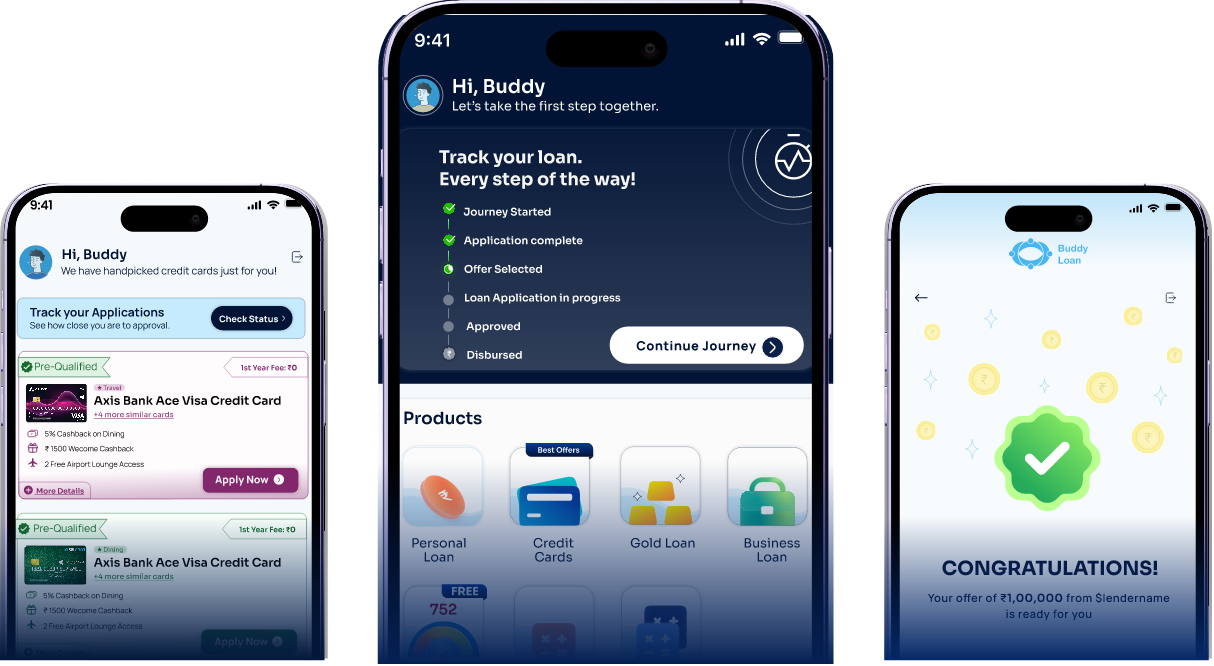
Download the Buddy Loan App Now!
One solution to each of your financial needs at your fingertip.

Scan to download now