In India, credit card usage has seen an explosive rise. By FY 2024–25, there were nearly 11 crore active credit cards, with transactions worth over ₹21 lakh crore. While some people view credit cards as debt traps, others swear by them as the most convenient loan option, thanks to rewards, cashback, and up to 45 days of interest-free credit. The reality lies somewhere in between.
If used wisely, credit cards are powerful financial tools that help build credit history, earn rewards, and manage short-term cash needs. But when misused, they can quickly become the most expensive form of borrowing. This guide will help you understand how to avoid the credit card debt trap, manage repayments effectively, and even get a credit card with a low score.
Credit Cards can be a Double-Edged Sword
Think of a credit card like a car. In skilled hands, it takes you far; without control, it can cause a crash. A credit card is as safe as the person holding it. If you struggle with impulse spending, a credit card may not be the right tool for you. However, for disciplined users, it can serve as an interest-free loan while improving their financial health.
Spend on Needs, Not Wants
The golden rule of smart credit card usage is simple: spend on needs, not wants. Essentials such as groceries, medicines, electricity, phone bills, and Wi-Fi are smart uses of your card because you would spend on them anyway. On the other hand, indulgences such as pub visits, luxury gadgets, or iPhones on EMI can quickly lead to unmanageable debt if you lack repayment capacity.
That said, occasional splurges are fine, provided you can pay the full bill on time. The key is to never swipe beyond what you can repay comfortably.
Always Pay the Full Bill, Not Minimum Due
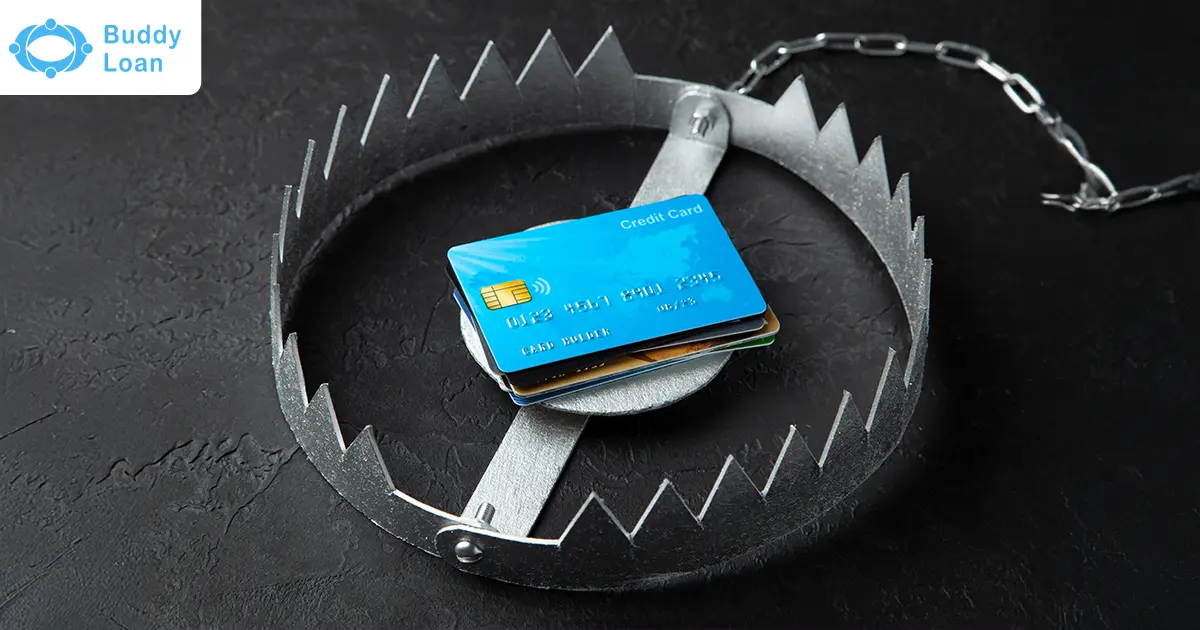
Every month, your statement will display two amounts: the minimum amount due and the total outstanding. While the minimum might look tempting, it’s a trap. Paying only the minimum triggers a monthly interest of 3–4%, which adds up to 36–48% annually. Your principal barely reduces, and debt keeps compounding.
This is why many people who owed just ₹1 lakh eventually found themselves with dues of ₹3–4 lakh—simply because they kept paying the minimum. The smarter move is to always clear your bill in full.
Control Your Credit Utilization
Another factor that affects both your financial health and your credit score is utilization. Spending 80–90% of your card limit signals you are “credit hungry,” which drags your score down. Experts recommend keeping utilization below 30%.
For example, if your card limit is ₹1 lakh and you spend ₹80,000, try to prepay at least ₹40,000 before the bill cycle closes. This way, your usage reflects as only 40%. Alternatively, split large expenses across two cards to keep each utilization ratio healthy.
Suggested Read: Top 5 Lifetime Free Credit Cards
What If You’re Already in a Debt Trap?
If you’re struggling to clear dues, paying just the minimum won’t help. Instead, consider converting your outstanding into EMIs. While credit card EMIs come at ~18% annual interest, that’s still far lower than the 36–40% charged on unpaid balances.
This strategy provides a fixed repayment plan, reduces your monthly burden, and helps you regain control of your finances.
How to Get a Credit Card with a Low Credit Score
Even if you have a poor score, there are ways to start rebuilding your credit. One of the easiest options is a secured credit card, which is issued against a fixed deposit (FD).
For example, if you open a ₹1 lakh FD, the bank will issue a credit card with a limit of about 90% of that value. Since approval does not depend on income or past credit history, it’s a smart way to begin building or repairing your score.
Many banks offer FD Credit Cards with a lifetime free feature, which means no annual fee and no joining fee, and the card is free for life. With a minimum FD of just ₹2,000, you can get a virtual or physical card, earn cashback on UPI and offline payments, and simultaneously grow your FD at 6.5% annual interest. Responsible usage here can steadily improve your credit profile.
Key Takeaways
Credit cards are neither inherently good nor bad—it’s all about how you use them. Avoid impulse-driven spending, always pay your bill in full, keep your utilization under 30%, and convert dues into EMI if you’re already in a trap. If your credit score is low, secured cards can help you get started on the right track.
When used responsibly, a credit card can become more than just a payment tool—it can be a stepping stone toward financial discipline, rewards, and a stronger credit score.
Suggested Read: Credit Cards to Improve Your Credit Score
Download the Buddy Loan App Now!
One solution to each of your financial needs at your fingertip.

Scan to download now