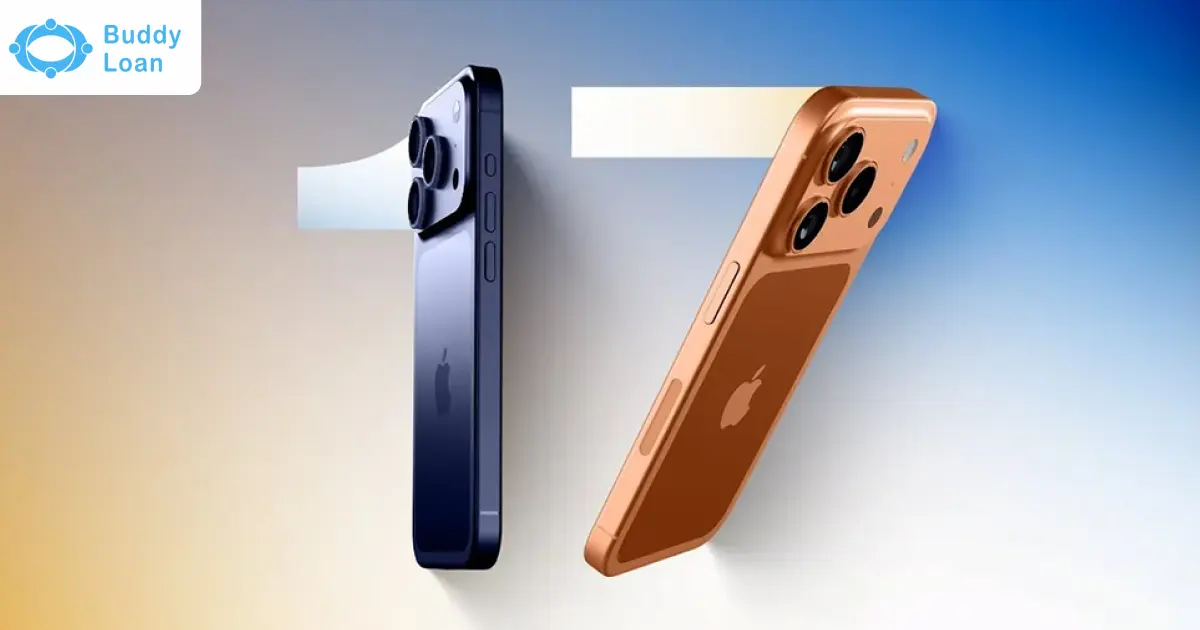
Apple is once again setting the pace for the smartphone industry with its upcoming iPhone 17 series and this time, it’s not just about camera upgrades or faster chips. The company is reportedly eliminating the SIM card tray in multiple markets, including the U.S., Germany, France, Spain and other parts of Europe.
This move reflects Apple’s long-term vision for a streamlined, digital-first mobile experience. The eSIM-only transition extends beyond design, unlocking significant improvements in battery life, durability and connectivity. Here’s how the iPhone 17 lineup is reshaping mobile standards in 2025.
iPhones in U.S. and European Markets gets eSIM
Apple took its first major step toward eSIM exclusivity with the iPhone 14 Pro models in the United States. Now, with the iPhone 17 series, the company is expanding this approach across the Atlantic.
According to recent reports, retail employees across France, Germany, and Spain are being trained on eSIM provisioning, indicating a coordinated global rollout. Carriers in these countries are also expanding their infrastructure to support digital-only mobile activations. This is more than a trend it’s a clear move toward a global eSIM standard.

List of iPhone 17 Models Features eSIM
Apple is taking a strategic, model-specific approach to the rollout:
|
iPhone Model |
Expected SIM Setup |
Primary Markets |
|
iPhone 17 Air |
eSIM-only |
U.S., Germany, France, Spain, EU |
|
iPhone 17 Pro |
Mixed (some eSIM-only) |
U.S., EU, SIM retained in China |
|
iPhone 17 Pro Max |
Mixed (some eSIM-only) |
U.S., EU, hybrid in Asia |
|
iPhone 17 (Base) |
Possible SIM + eSIM combo |
Global, pending confirmation |
The iPhone 17 Air, rumored to be Apple’s slimmest phone ever, will likely lead the eSIM-only transition globally. Other models like the Pro and Pro Max may offer region-specific variations depending on local telecom policies.
Key Benefits of eSIM-Only iPhones
Apple’s decision to remove the SIM tray isn’t just an aesthetic choice. It allows for:
- Increased internal space, used for better battery capacity and a more efficient internal design.
- Improved durability, reducing water and dust ingress points.
- Simplified design, helping Apple create thinner and lighter devices.
By eliminating physical SIM cards, Apple is also making room for future components like advanced cooling systems, more efficient antennas or satellite capabilities.

Models to Offer Bigger Battery Life with eSIM
Battery certification leaks indicate clear hardware advantages for eSIM-only models. With no SIM slot, Apple can repurpose space for larger batteries here’s what that looks like:
|
Model |
Battery (With SIM) |
Battery (eSIM Only) |
Battery Increase |
|
iPhone 17 Air |
3,036 mAh |
3,149 mAh |
~3.7% |
|
iPhone 17 Pro |
3,988 mAh |
4,252 mAh |
~6.6% |
|
iPhone 17 Pro Max |
4,823 mAh |
5,088 mAh |
~5.5% |
|
iPhone 17 (Base) |
TBD |
TBD |
TBD |
Combined with Apple’s upcoming C1 modem and A19 chip, these improvements are expected to translate into longer screen time and better power efficiency across the board.
How eSIM Enhances the User Experience
Switching to eSIM means:
- No waiting for physical SIM cards
- No ejector tool or tray
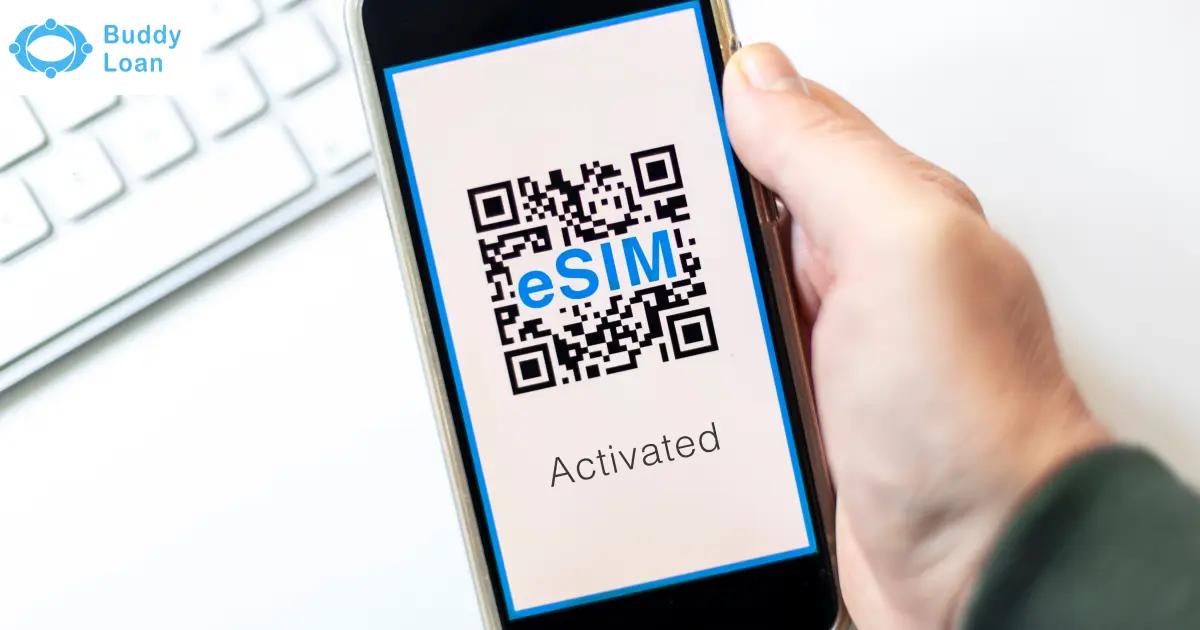
- Instant activation via QR code or carrier app
You can easily add multiple eSIM profiles, switch between plans and even activate service internationally without changing your hardware. The process is faster, more flexible and more secure, especially for frequent travellers and digital-first users.
China May Be the Exception for iPhone 17 eSIM
While eSIM-only models are set to dominate in the West, China and some Asian markets may still receive hybrid variants. That’s because:
- Many Chinese consumers use dual physical SIMs
- Local regulations in some regions still mandate physical SIM access
- Not all carriers in Asia have fully deployed eSIM infrastructure
Apple is expected to adapt to local needs, much like it did with other features such as FaceTime audio restrictions and 5G rollout delays in specific countries.
To Prepare for an eSIM-Only iPhone 17 Upgrade
Before upgrading to an iPhone 17, here’s how to ensure a smooth transition:
- Check if your carrier supports eSIM (most do in the U.S. and EU).
- Request an eSIM activation QR code or use your provider’s app.
- Ensure Wi-Fi access during initial setup.
- Back up your iPhone to iCloud or your desktop.
- Keep your physical SIM installed until the eSIM is active.
Once activated, you can remove your old SIM and enjoy a more seamless, card-free experience.
Final Thoughts
Apple’s iPhone 17 series isn’t just dropping the SIM tray; it’s redefining how users connect, activate and interact with their devices. By embracing eSIM, Apple is paving the way for smarter, thinner and more efficient phones.
This is more than a technical upgrade; it’s a strategic shift in mobile technology. And with major carriers in the U.S., Germany, France and Spain on board, Apple’s slot-free future is already well underway.
If you’re ready for the next era of iPhone design and performance, the iPhone 17 series is built with you in mind.
Download the Buddy Loan App Now!
One solution to each of your financial needs at your fingertip.

Scan to download now