Financial anxiety is a new term that is becoming more popular in recent times during the Covid-19 Pandemic. All over the world, people started facing financial backdrops when the country’s economy hit rock bottom. Many lost their jobs and faced loss in their business leading to extreme financial and mental stress.
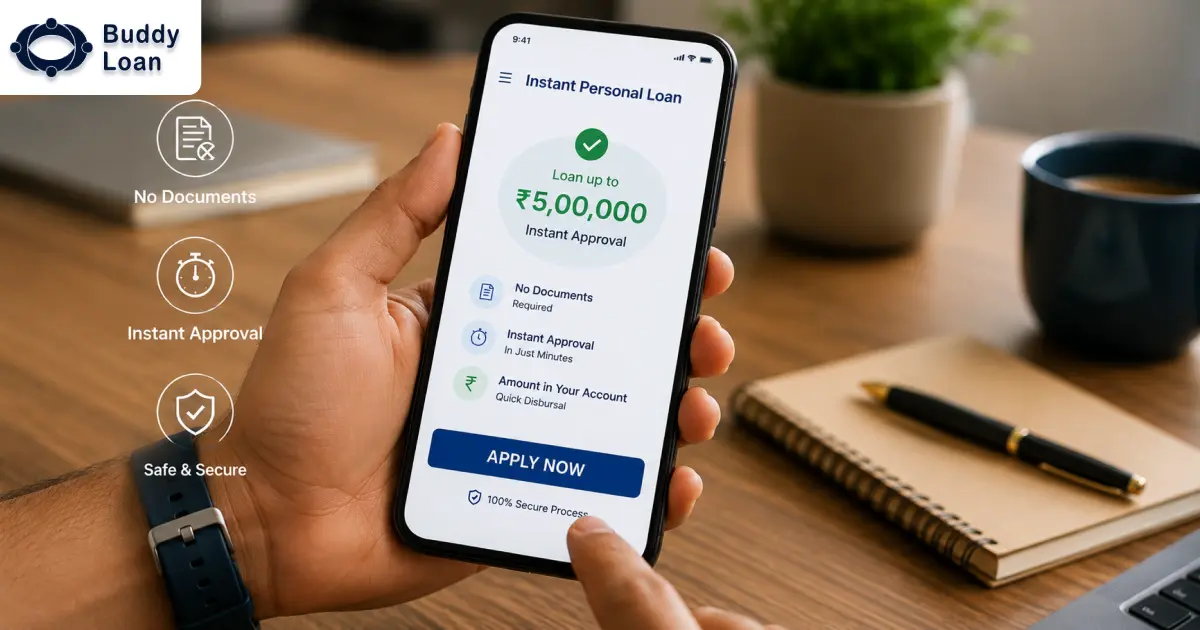
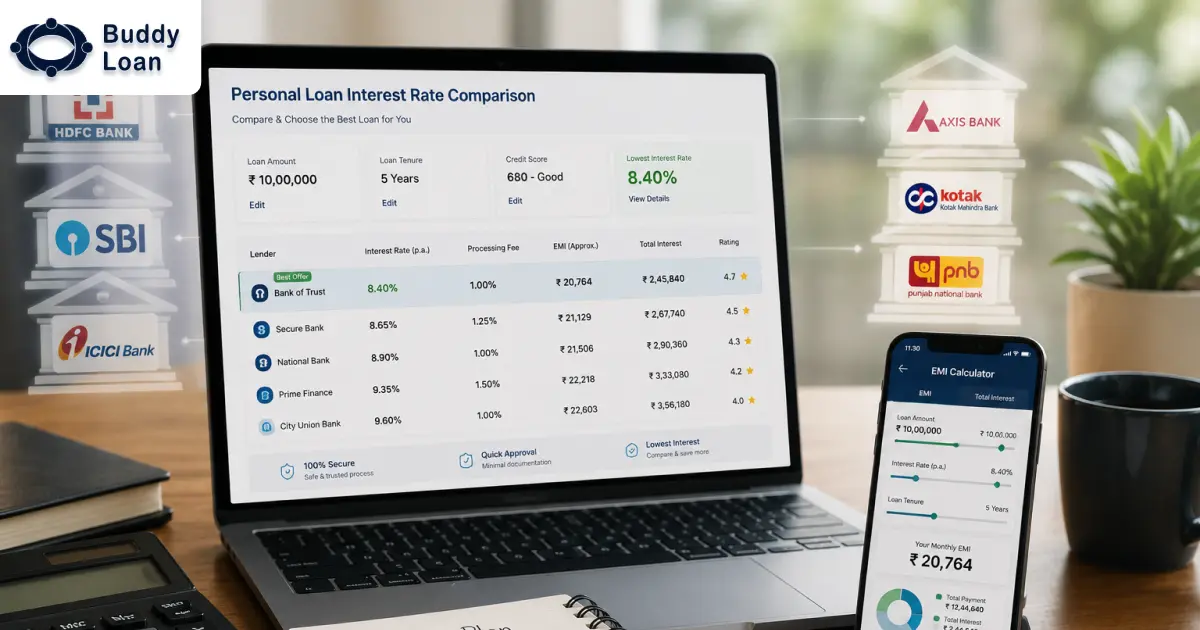
The pandemic has a high impact on physical, mental, and financial health. It becomes tough to handle your fund requirements with sudden medical emergencies. Financial institutions offer personal loans without any collateral instantly to handle such hectic situations. You can apply for a personal loan using Buddy Loan to get the maximum benefits. It is one of the largest loan aggregators with affordable interest rates. Check the article to know how Financial Institutions Ease Your Financial Anxiety

3 Ways Ease Your Financial Anxiety
- Extending Credit: Lending institutions and banks can extend the credit lines to those who have difficulty repaying their bills. It will help the customers cope with financial stress and anxiety.
- Providing accessible resources: Resources such as COVID Relief Fund Application and Customer Relief Program are readily available to customers who need financial assistance due to the pandemic.
- Training employees: Banks and financial institutions can train their employees to handle queries and provide solutions to customers facing problems. Financial institutions must train their employees to guide their customers regarding existing loan payments, new credit card options, etc. As a result, the customers will get clear guidance reducing their financial stress.
What does Financial Anxiety Look Like?
Financial anxiety begins when you lack financial literacy and have trouble managing your money outflow. Here is how you might feel when you have financial stress.
- You cannot manage your finances efficiently: You find it difficult to plan and budget your expenses; hence you fail to pay your bills on time.
- You are not prepared for financial emergencies: Your income is sufficient for your living expenses, and there is very little for savings. Hence, you will not be prepared for any financial emergencies.
- You lack financial confidence about your future: You might not be planning for your retirement or health insurance. Hence, you will lack confidence in your future financial plans.
- You are not living for yourself: You spend most of your money on paying your debts or loans; hence you do not spend for yourself.
Impact of Financial Stress on Your Physical and Mental Health
When you are having difficulties managing your finances, you will start having stress and anxiety, affecting both your body and mind. Here, let us look at how having financial stress affects your health.
- Insomnia or difficulties in sleeping
- Weight Gain or weight loss
- Depression
- Anxiety
- Problems and misunderstandings in your relationship
- Isolating from your social life
- Health problems like headaches, gastrointestinal problems, diabetes, high blood pressure, etc.
- Unhealthy coping mechanisms include getting addicted to drinking, drugs, overeating, etc.
Cyclic Link Between Financial Worries And Mental Health Problems
- Financial problems lead to stress and anxiety, affecting your mental health.
- When your mental health is affected, it is harder for you to manage money.
- When you do not manage your finances well, you get into more financial problems such as defaulting on your loans, unpaid bills, rent, etc.
Hence, this vicious cycle will continue until you start giving importance to your mental health and managing your funds.
Simple Steps To Cope With Financial Anxiety
- Set goals and plan your budget:
Set a goal and plan, whether a retirement plan, vacation, or a large purchase. It will help in achieving your goals and reduce anxiety - Save for emergency: Start saving to build an emergency fund little by little. It will help you during unexpected situations such as medical emergencies, job disruptions, etc.
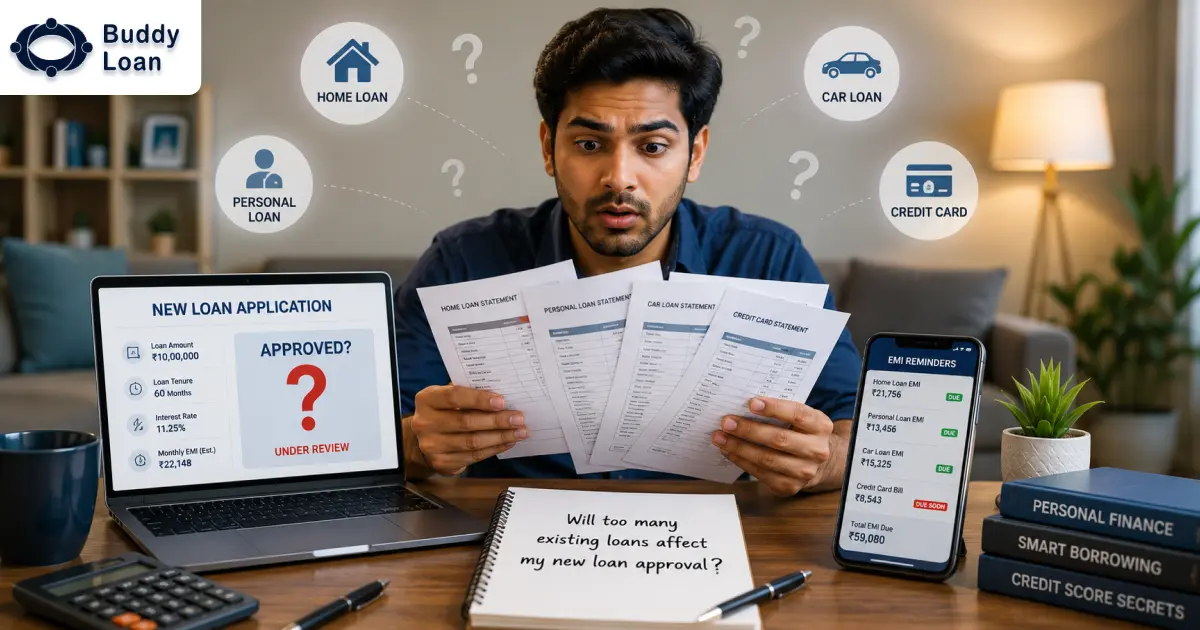
- Track your Earnings and Bills: Track how you spend your money as small expenses can consume significant amounts of money. Plan and budget your expenses according to your bills, as it will give you a clear picture of the cost of living. You must list all your debts and plan your repayment accordingly.
- Shop only when you need: Write down a list of things you want to shop for and prioritize it according to the requirements. Also, note down the cost of the things you want to purchase and budget it accordingly. It will help you avoid impulsive shopping.
- Know about personal finance: Personal finance is the technique of planning and managing your financial activities such as budgeting, planning, saving, and investing. It will improve your financial literacy and give you the confidence to handle your finances well.
- Give importance to credit score: Your credit score plays a vital role when applying for an instant personal loan. Lenders check your score to determine your creditworthiness and ability to repay the loan. You can get personal loans at lower interest rates if you have a high credit rating. Hence, make sure you maintain your credit score above 750. You can also check your credit score using Buddy Score and instantly get a full credit report.
Also Read: How to Get a Personal Loan: A Complete Guide on Eligibility and Documents
How to Create a Monthly Budget?
Here are steps to create an efficient monthly budget to plan and track your spending pattern. It will help you relieve your financial stress and regain your sense of control.
- Keep track of your everyday expenses such as groceries, traveling, monthly rent, utility bills, etc.
- Calculate your annual expenses, such as car insurance, property tax, etc., and keep that amount separately.
- Keep some amount for sudden medical emergencies.
- Set up automatic payment alerts to ensure you pay your bills on time.
- Prioritize your spending
- Keep saving money little by little wherever possible.
- Avoid impulsive shopping
Also Read: The Best Car Loan! – Avail Instant Four-Wheeler Loan With PAN Card!
Summing Up
Financial anxieties occur when you do not know how to manage your finances effectively. Financial literacy gives you the confidence to handle sudden emergencies without stress. Planning, Budgeting, Saving, and Investing are the four main pillars of financial literacy that helps in managing your finance well. Banks and financial institutions also help customers cope with financial stress by extending the credit line and providing resources and proper guidance to customers.
Download the Buddy Loan App Now! One solution to each of your financial needs at your fingertip. Scan to download now