Your credit score plays a crucial role in determining your financial credibility and borrowing potential. Whether you’re applying for a personal loan, home loan, credit card, or any other credit product, lenders often review your credit score to assess your repayment behaviour and creditworthiness. Understanding how credit scores are calculated, what influences them, and how to maintain a healthy score can help you make informed financial decisions. This page covers everything you need to know about credit scores, including credit reports, score ranges, credit bureaus, and practical tips to improve your credit health.


What is a Credit Score?
A credit score is a three-digit numerical representation of your creditworthiness. It reflects how responsibly you have managed your loans and credit cards over time. Banks, NBFCs, and other financial institutions use your credit score to evaluate the risk of lending money to you.
Your credit score is calculated based on factors such as your repayment history, credit utilization, length of credit history, credit mix, and recent credit enquiries. In India, credit scores generally range between 300 and 900, with higher scores indicating stronger credit health.
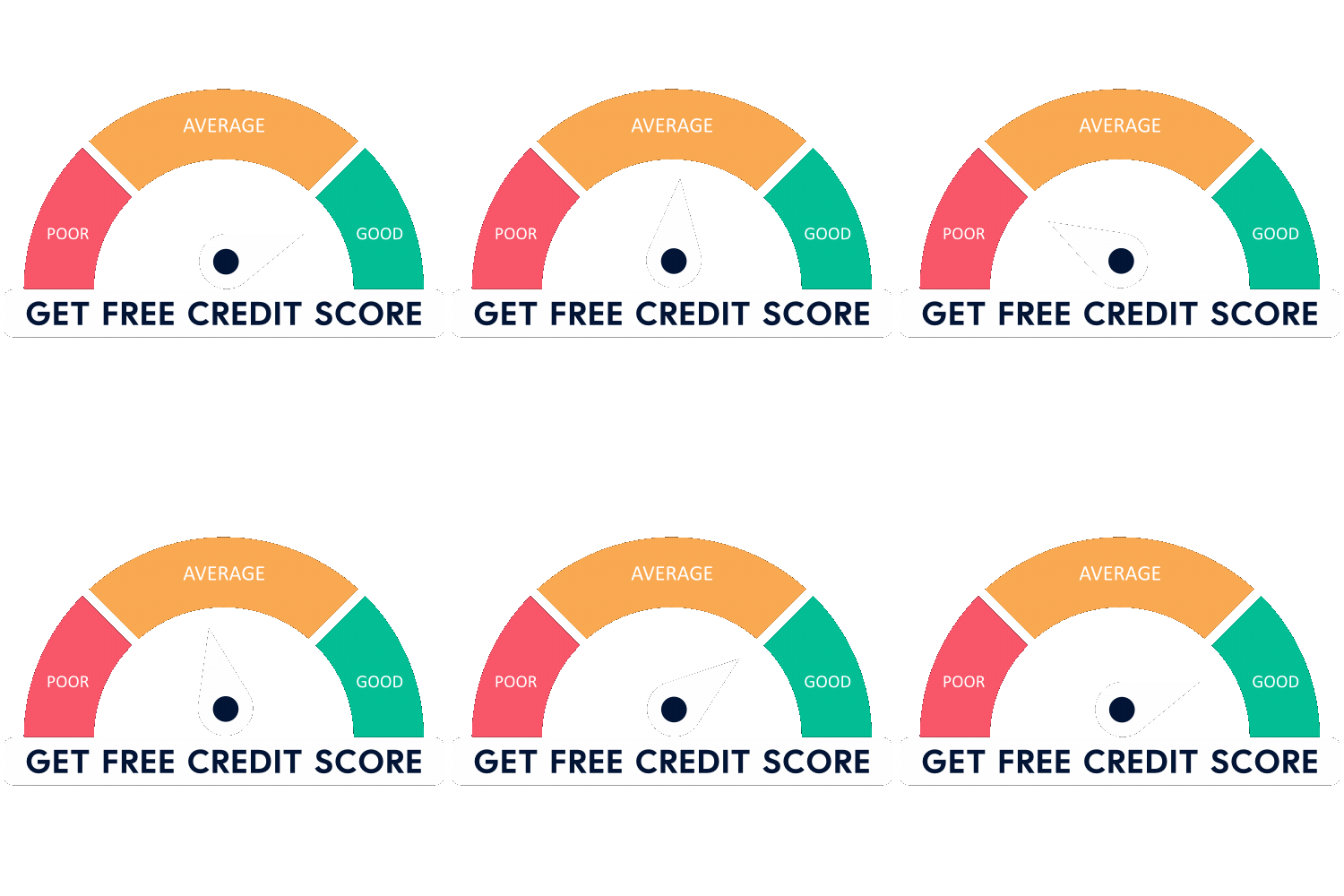
Credit Score Range
Let’s better understand the credit score range with its categories and respective meaning from below:
| Credit Score | Category | Meaning |
| 300-549 | Poor | Low approval chances |
| 550-649> | Fair | Limited borrowing opportunities |
| 650-749 | Good | Better loan eligibility |
| 750-900 | Excellent | Higher approval chances with better loan terms |
Importance of Credit Score
Your credit score is much more than a number. It acts as an indicator of your financial discipline and repayment behaviour. Almost every lender considers your credit score before approving loans or credit cards.
A healthy credit score can improve your borrowing experience by increasing your eligibility, reducing borrowing costs, and giving you access to better financial products.
Why Your Credit Score Matters
- Improves your loan approval chances
- Helps you secure lower interest rates
- Enables quicker loan processing
- Increases your credit limit eligibility
- Improves access to premium credit cards
- Strengthens your financial credibility
Read More: Importance of Credit Score
Factors Affecting Your Credit Score
Your credit score changes over time based on your financial behaviour. Some factors have a greater impact than others, making it important to understand how different credit activities influence your score.
Payment History: Consistently paying your EMIs and credit card bills on time strengthens your credit profile. Late or missed payments can remain on your credit report for several years and may reduce your score significantly.
Credit Utilization: Using a large portion of your available credit limit may indicate financial stress. Maintaining a lower utilization ratio helps improve your creditworthiness.
Outstanding Debt: Having multiple outstanding loans or carrying high credit card balances can increase your repayment burden and affect your credit score.
Credit History Length: A longer credit history demonstrates financial stability and provides lenders with greater confidence in your repayment behaviour.
Credit Mix: Managing different credit products responsibly shows lenders that you can handle multiple financial commitments effectively.
Hard Credit Enquiries: Applying for several loans or credit cards within a short period generates multiple hard enquiries, which may temporarily reduce your credit score.
Soft Enquiries: Checking your own credit score through Buddy Score or other authorised platforms does not affect your credit score.
Dormant Credit Accounts: Unused credit accounts may have a minor impact depending on your overall credit profile.
Small Outstanding Dues: Even small unpaid balances can eventually affect your repayment history if they remain unresolved.
Read More: Factors Affecting Your Credit Score
Common Reasons for a Low Credit Score
A low credit score does not happen overnight. It is usually the result of repeated financial habits that indicate higher credit risk. Understanding the reasons behind a low score is the first step toward improving it.
- Missing or Delaying EMI Payments: Late loan repayments and delayed credit card payments are among the most common reasons for a declining credit score.
- High Credit Utilization: Frequently using most of your available credit limit can signal financial dependence on borrowed funds.
- Multiple Credit Applications: Submitting several loan or credit card applications within a short period creates multiple hard enquiries and may negatively affect your score.
- Short Credit History: Individuals who are new to credit often have limited borrowing history, making it difficult for lenders to assess their repayment behaviour.
- Errors in Your Credit Report: Incorrect personal details, duplicate loan entries, or wrongly reported overdue payments can reduce your credit score if left unresolved.
- Loan Defaults and Settlements: Defaulting on loans or settling outstanding dues instead of repaying them fully may significantly impact your creditworthiness.
Tips to Improve Your Credit Score
Improving your credit score requires patience and consistent financial discipline. While there are no instant solutions, following healthy credit habits can gradually strengthen your score and improve your eligibility for future loans and credit cards.
- Pay Your Bills on Time: Always pay your loan EMIs and credit card bills before the due date. Timely repayments are the single biggest contributor to a healthy credit score.
- Keep Credit Utilization Low: Aim to use less than 30% of your available credit limit. Lower utilization demonstrates responsible financial management.
- Avoid Frequent Credit Applications: Apply for loans and credit cards only when necessary. Too many applications within a short period can lower your credit score.
- Maintain Older Credit Accounts: Older credit accounts contribute to the length of your credit history. If they are in good standing, keeping them active can positively influence your score.
- Check Your Credit Report Regularly: Regularly reviewing your credit report helps you identify errors, monitor your financial progress, and detect suspicious activity early.
- Raise Disputes for Incorrect Information: If you notice inaccurate information in your credit report, contact the respective credit bureau and lender to have it corrected as soon as possible.
- Maintain a Healthy Credit Mix: Managing both secured and unsecured credit responsibly demonstrates your ability to handle different types of borrowing.
Credit Score vs Credit Report
Although these terms are often used interchangeably, a credit score and a credit report serve different purposes. Your credit report contains your complete borrowing history, while your credit score is a numerical summary of that information.
| Credit Score | Credit Report |
| Three-digit numerical score | Detailed record of your credit history |
| Indicates your creditworthiness | Contains account-level borrowing information |
| Ranges from 300 to 900 | Includes loans, credit cards, repayment history, enquiries, and balances |
| Used for quick lending decisions | Used for detailed credit evaluation |
Your credit score is generated using the information available in your credit report. Maintaining an accurate and error-free credit report is therefore essential for a healthy credit score.
Read More On: Credit Score Vs Credit Report
Understanding Your Credit Report
Your credit report provides a complete picture of your borrowing history and helps lenders evaluate your financial behaviour. Reviewing your credit report regularly allows you to identify inaccuracies, monitor your repayment history, and understand the factors affecting your credit score.
What Does a Credit Report Include?
- Personal information
- Contact details
- Employment information, where available
- Active loan accounts
- Closed loan accounts
- Credit card accounts
- Repayment history
- Outstanding balances
- Credit utilization
- Loan enquiries
- Days Past Due (DPD)
- Written-off or settled accounts, if applicable
A well-maintained credit report improves transparency and enables lenders to make informed lending decisions.
Understanding Common Credit Report Terms
When you download your credit report, you may come across technical terms that can be confusing. Understanding these terms helps you interpret your report more accurately.
| Term | Meaning |
| DPD (Days Past Due) | Indicates the number of days a payment is overdue. |
| Hard Enquiry | A lender checks your credit report while evaluating a loan or credit card application. |
| Soft Enquiry | You check your own credit score or report. This does not affect your score. |
| Written Off | A lender classifies a loan as unlikely to be recovered after prolonged non-payment. |
| Settled | A loan is closed after accepting a partial repayment instead of the full outstanding amount. |
| Active Account | A loan or credit card account that is currently open. |
| Closed Account | A loan or credit card account that has been fully repaid and closed. |
Financial Habits That Influence Your Credit Score
Your everyday financial decisions have a direct impact on your credit score. Some habits carry greater weight than others, making it important to build responsible borrowing behaviour over time.
High-Impact Habits
- Paying EMIs on time
- Paying credit card bills before the due date
- Maintaining low credit utilization
- Avoiding loan defaults
Medium-Impact Habits
- Maintaining a longer credit history
- Managing different types of credit responsibly
- Limiting unnecessary hard enquiries
Lower-Impact Habits
- Regularly checking your own credit score
- Keeping inactive accounts under review
- Clearing small outstanding balances promptly
Consistently following healthy financial habits can gradually improve your credit profile and strengthen your borrowing capacity.
Common Credit Score Myths
Many borrowers misunderstand how credit scores work, leading to financial decisions that may do more harm than good. Understanding the facts can help you build and maintain a healthier credit profile.
| Myth | Reality |
| Checking your own credit score lowers it. | Checking your own score is a soft enquiry and does not affect your credit score. |
| Closing old credit cards always improves your score. | Closing older accounts may reduce your credit history length and affect your score. |
| Salary determines your credit score. | Your repayment behaviour has a much greater impact than your income. |
| Paying only the minimum credit card amount is sufficient. | Interest continues to accrue on the remaining outstanding balance. |
| You should avoid credit completely. | Responsible borrowing and timely repayments help build a stronger credit profile. |
Understanding these myths can help you make informed financial decisions and avoid common mistakes.
Read More on: Credit Score Myths vs. Facts
Steps To Do After Checking Your Credit Score
Checking your credit score is only the first step. Once you know where you stand, you can take meaningful action to strengthen your financial health and improve your borrowing opportunities.
Recommended Next Steps
- Understand your credit score category.
- Carefully review your credit report.
- Verify all personal and loan information.
- Raise disputes if you find incorrect information.
- Improve your repayment habits.
- Reduce outstanding debt where possible.
- Compare loan offers based on your credit profile.
- Continue monitoring your credit score regularly.
Regular monitoring helps you identify changes early and maintain a healthy credit profile over time.
Why Choose Buddy Score?
Buddy Score is designed to help you understand your credit health through a secure, simple, and completely digital experience. Whether you’re planning to apply for a loan or simply want to monitor your financial progress, Buddy Score gives you the information you need to make informed decisions.
Why Millions of Users Trust Buddy Score
- Check your credit score for free
- No impact on your credit score
- Instant access to your latest score
- Download your credit report
- Secure and encrypted platform
- Personalized loan recommendations
- Simple digital experience
- Regular access to your credit health
Stay informed about your credit profile and make smarter borrowing decisions with Buddy Score.
People Also Ask
If you’re new to credit scores or want to learn more about how they impact your financial life, the answers below address some of the most common questions borrowers ask.
What Are the Features of a Credit Score?
A credit score summarizes your credit history into a simple three-digit number that lenders can quickly understand. It helps assess your repayment behaviour and financial reliability.
Key Features
- Three-digit numerical score
- Ranges from 300 to 900
- Based on your credit history
- Reflects your repayment behaviour
- Updated periodically by credit bureaus
- Used by lenders to assess loan eligibility
- Higher scores improve borrowing opportunities
How Does a Credit Score Work?
Your credit score is calculated using your borrowing and repayment behaviour. Whenever you repay an EMI, pay a credit card bill, apply for new credit, or maintain your existing loans, your credit profile gets updated.
Lenders use this information to estimate the likelihood of timely repayments. Borrowers with stronger credit scores are generally offered loans at lower interest rates and with better terms.
Checking your own credit score is considered a soft enquiry and does not affect your score. However, when lenders evaluate your application, a hard enquiry may be recorded, which can have a temporary impact if done frequently.
How Can You Improve Your Credit Score?
Improving your credit score requires consistent financial discipline. While there is no overnight solution, following responsible credit practices can gradually strengthen your credit profile.
Ways to Improve Your Credit Score
- Pay all EMIs and credit card bills on time.
- Keep your credit utilization below 30%.
- Avoid applying for multiple loans within a short period.
- Maintain a healthy mix of secured and unsecured credit.
- Review your credit report regularly for inaccuracies.
- Raise disputes if you notice incorrect information.
- Avoid settling loans unless absolutely necessary.
- Keep older credit accounts active whenever possible.
Also Read: Increase CIBIL Score from 300 to 750
What is Credit Rating?
A credit rating measures the creditworthiness of businesses, companies, or governments, whereas a credit score measures the creditworthiness of an individual. Although both assess financial reliability, they serve different purposes.
Credit Score vs Credit Rating
| Credit Score | Credit Rating |
| Used for individuals | Used for companies and governments |
| Three-digit numerical score | Letter-based rating system |
| Typically ranges from 300 to 900 | Ranges from high-grade ratings to default ratings |
| Used for retail lending decisions | Used for institutional lending and investments |
Why Should You Check Your Credit Score Before Applying for a Loan?
Checking your credit score before submitting a loan application helps you understand your financial standing and improves your chances of getting approved. It also allows you to identify areas that may need improvement before approaching lenders.
Benefits of Checking Your Credit Score
- Understand your loan eligibility
- Compare suitable loan offers
- Improve your approval chances
- Negotiate better interest rates
- Identify report errors early
- Avoid unnecessary loan rejections
How to Check Your Credit Score Online with Buddy Score
Buddy Score makes it easy to check your credit score online through a secure and completely digital process.
Steps to Check Your Credit Score
- Enter your basic personal details.
- Verify your mobile number using an OTP.
- View your credit score instantly.
- Download your detailed credit report.
What is a Good Credit Score?
Most lenders consider a credit score of 750 and above as a good credit score. A higher score reflects responsible financial behaviour and improves your eligibility for loans and credit cards.
Although your credit score is important, lenders may also consider your income, employment stability, existing obligations, and other eligibility factors before approving your application.
Benefits of a Good Credit Score
- Faster loan approvals
- Lower interest rates
- Higher loan amounts
- Better credit card offers
- Higher credit limits
- Greater negotiating power with lenders
Tips to Maintain a Good Credit Score
- Pay EMIs and credit card bills on time.
- Maintain a credit utilization ratio below 30%.
- Avoid frequent loan applications.
- Keep older credit accounts active.
- Review your credit report regularly.
- Report errors immediately if you find any.
How is a Credit Score Calculated?
Your credit score is calculated by RBI-authorised Credit Information Companies (CICs) using your credit history and repayment behaviour. These credit bureaus collect information from banks, NBFCs, and other financial institutions to generate your credit report and calculate your score.
Although each credit bureau uses its own proprietary scoring model, they generally evaluate the same financial factors. Consistently demonstrating responsible borrowing and timely repayments can help maintain a healthy credit score over time.
Factors Used to Calculate Your Credit Score
| Factor | Weightage | Why It Matters |
| Payment History | 35% | Timely repayment of EMIs and credit card bills has the biggest impact on your score. |
| Credit Utilization Ratio | 30% | Using a smaller portion of your available credit reflects responsible borrowing. |
| Length of Credit History | 15% | A longer and well-managed credit history builds trust with lenders. |
| Credit Mix | 10% | Maintaining a balance of secured and unsecured credit demonstrates healthy credit management. |
| New Credit Enquiries | 10% |
What are the Credit Information Companies in India?
Your credit score is maintained by RBI-authorised Credit Information Companies (CICs), commonly known as credit bureaus. These organizations collect borrowing and repayment information from banks, NBFCs, credit card issuers, and other financial institutions to generate your credit report and credit score.
While all credit bureaus perform a similar function, they may use different scoring models and receive information from different lending institutions. As a result, your credit score may vary slightly across bureaus.
Credit Information Companies Registered with RBI
| Credit Bureau | Overview |
| TransUnion CIBIL | India’s oldest and most widely used credit bureau. |
| Experian | A global credit bureau offering consumer credit reports and credit scores. |
| Equifax | Provides consumer and commercial credit information services. |
| CRIF High Mark | Specializes in retail, MSME, agricultural, and business credit information. |
All four credit bureaus help lenders assess your repayment capacity before approving loans or credit cards.
What is an Experian Credit Score?
Experian is one of the four RBI-authorised credit bureaus in India. It maintains credit records for millions of borrowers by collecting information from banks, NBFCs, and other financial institutions.
An Experian Credit Score helps lenders evaluate your creditworthiness before approving any credit product. Like other credit bureaus, Experian considers your repayment behaviour, outstanding debt, credit utilization, and borrowing history while calculating your score.
Features of an Experian Credit Score
- Reflects your overall credit health
- Updated periodically based on lender information
- Helps lenders evaluate loan applications
- Used for personal loans, home loans, vehicle loans, and credit cards
- Enables borrowers to monitor their credit profile regularly
Experian Credit Score Range
| Score | Rating |
| 300-549 | Poor |
| 550-649 | Fair |
| 650-749 | Good |
| 750-900 | Excellent |
Maintaining a healthy Experian Credit Score can improve your chances of securing loans at competitive interest rates and accessing premium financial products.
What is the difference between CIBIL Score & Experian Credit Score?
CIBIL and Experian are both RBI-authorised credit bureaus that provide credit reports and credit scores. Although they perform similar functions, they differ in their scoring models, lender partnerships, and reporting methodologies.
Your score may vary slightly between the two bureaus because each bureau receives information from different lenders and uses its own proprietary scoring algorithm.
CIBIL vs Experian Comparison
| Feature | CIBIL | Experian |
| Established | 2000 | Global bureau operating in India |
| RBI Authorised | Yes | Yes |
| Score Range | 300-900 | 300-900 |
| Credit Reports | Yes | Yes |
| Used By | Banks and NBFCs | Banks and NBFCs |
| Scoring Model | Proprietary | Proprietary |
Rather than focusing on one bureau over another, borrowers should regularly monitor their credit reports across recognized credit bureaus to ensure their information remains accurate and up to date.
How Does Experian Calculate Your Credit Score?
Experian calculates your credit score using information submitted by banks, NBFCs, and other lending institutions. Every time you repay a loan, use a credit card, or apply for new credit, your financial activity is reported to the bureau.
Experian then evaluates this information using its proprietary scoring model to determine your creditworthiness.
Factors Considered by Experian
- Payment history
- Credit utilization ratio
- Length of credit history
- Types of credit accounts
- Recent credit enquiries
- Existing loan obligations
Since these factors continuously change with your financial behaviour, your Experian Credit Score may also increase or decrease over time.
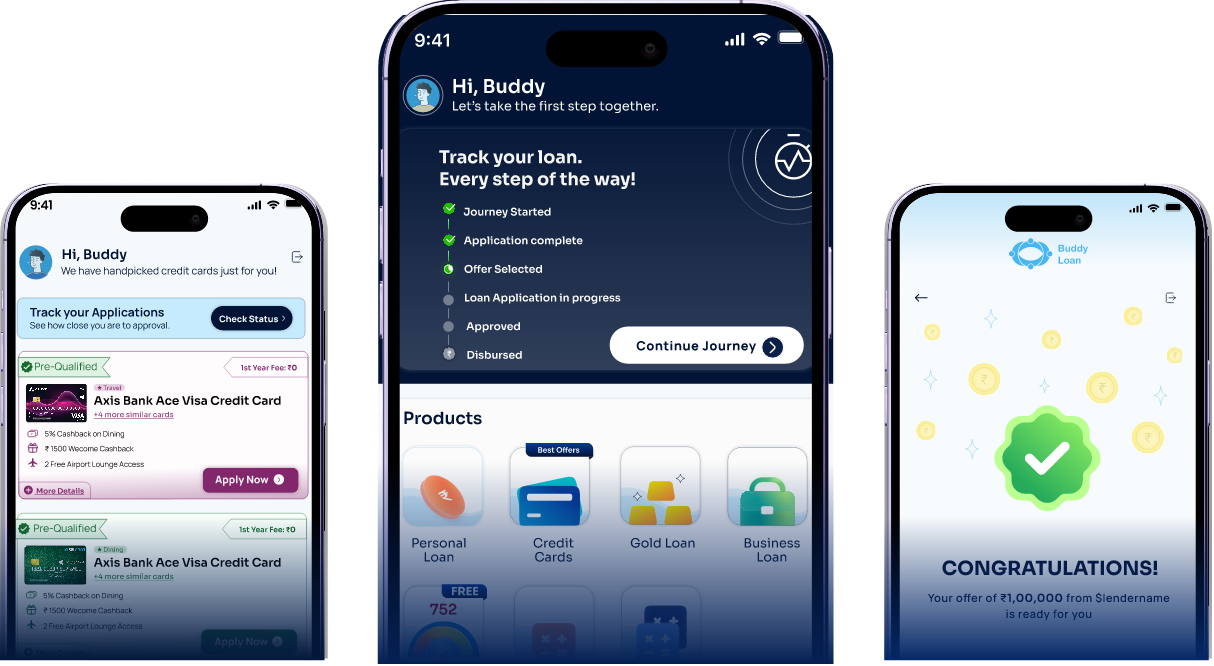
Download the Buddy Loan App Now!
One solution to each of your financial needs at your fingertip.

Scan to download now